
Harvest
Time Tracking
Sign up free

Project Management for Retail

Harvest offers a comprehensive solution for managing retail projects across multiple locations, ensuring consistency and efficiency with its robust integration capabilities.

Try Harvest Free

Will this project be profitable?

Estimate your project cost, set the right price, and know exactly how many hours your team can spend before margin disappears.

Total hours across all team members
$
Average rate across all roles on the project
15%
Scope creep is real. Most projects need 10-25% buffer to stay profitable.
Recommended project price $0
Base cost (before buffer) $0
Hours per person per week 0h
Weekly burn rate $0
Max hours before loss 0h

Track project hours with Harvest

Walk through the entire flow below. Start a timer, check your reports, and create a real invoice — all in three clicks.

Go ahead — start tracking!

One click and you're timing. Try it right here: start a timer, add an entry, edit the details. This is exactly how it feels in Harvest.

  • One-click timer from browser, desktop & mobile
  • Works inside Jira, Asana, Trello, GitHub & 50+ tools
  • Duration or start/end — your call
  • Day, week & calendar views to stay on top of it all
  • Friendly reminders so no hour gets left behind
Acme Corp
Website Redesign
Homepage layout revisions
1:24:09
Content Strategy
Blog calendar planning
1:30:00
SEO Audit
Technical audit report
0:45:00
Brand Guidelines
Color system documentation
2:15:00
Logo Concepts
Initial sketches round 1
1:00:00

The Unique Landscape of Retail Project Management

Retail project management is a specialized discipline distinct from general project management, tailored to the unique needs of the retail sector. This field focuses on planning, executing, and monitoring initiatives such as store openings, seasonal campaigns, and technology upgrades. The retail industry is vast, with US retail sales projected to reach $5.23 trillion to $5.28 trillion in 2024, marking a 2.5% to 3.5% increase from the previous year. This growth underscores the importance of effective project management to stay competitive.

Retail projects present unique challenges, including managing multiple physical locations, adhering to tight seasonal deadlines, and ensuring cross-departmental coordination. Moreover, every project directly impacts customer experience, making precision and efficiency critical. For instance, nearly 30% of annual retail sales occur in the fourth quarter, emphasizing the need for meticulous seasonal campaign planning. Successful retail project management requires balancing corporate standards with local market needs while maintaining consistency and speed across all locations.
Best Practices for Multi-Location Retail Projects

Managing retail projects across multiple locations demands standardized workflows and repeatable processes to ensure consistency. Creating detailed templates and clear communication channels is vital for executing projects seamlessly across diverse sites. Establishing centralized platforms allows for efficient coordination among distributed teams, enhancing project visibility and accountability.

Strategic resource allocation and proactive risk management are also essential. For example, maintaining a budget contingency fund of 10% to 15% can help mitigate unexpected expenses and potential setbacks. Furthermore, consolidating vendors can lead to cost savings of up to 20% on total project completion costs. Effective vendor coordination and supply chain optimization ensure smooth large-scale rollouts, critical for retail operations with tight seasonal windows.

Leveraging Technology for Enhanced Retail Project Management

Technology plays a pivotal role in optimizing retail project management. Implementing project management software can take two weeks to a month, depending on project complexity. This software enables real-time tracking, automated workflows, and provides dashboards for informed decision-making. Integrating these tools with existing retail systems like point-of-sale (POS) and inventory management ensures a seamless flow of information.

Data analytics further empower retail managers to adapt to market trends and make strategic decisions. For instance, analyzing key performance indicators (KPIs) such as sales per square foot and inventory turnover rate can inform stocking decisions. Additionally, digital asset management tools ensure consistent branding across locations, crucial for maintaining a cohesive customer experience.

Navigating Common Challenges in Retail Projects

Retail projects often encounter challenges such as supply chain disruptions, budget overruns, and scope creep. To mitigate these, robust planning and contingency measures are essential. Maintaining a safety stock margin of 10% to 20% above projected demand helps absorb unexpected spikes during peak seasons.

Effective change management and staff training are crucial during technology implementations to minimize operational disruption. Phased project implementation can also be beneficial, allowing for continuous operation and reducing customer impact. This approach is particularly useful for large-scale renovations or technology rollouts, where minimizing disruption is key to maintaining customer satisfaction.

Mastering Specific Retail Project Types: Store Openings, Renovations, and Campaigns

Different retail project types require tailored strategies for success. For store openings, detailed planning involving site selection, regulatory compliance, and operationalization is critical. Minimizing customer disruption during renovations can be achieved through phased approaches and strategic layout design.

Seasonal campaigns require alignment with retail calendars and early planning, typically 8 to 12 weeks in advance, to optimize inventory management and promotional strategies. Given that holiday sales account for approximately 19% of annual retail sales, effective campaign execution is vital. Using tools like Harvest can help manage these projects by integrating with existing systems and setting fixed timelines, ensuring campaigns are executed efficiently.

Retail Project Management with Harvest

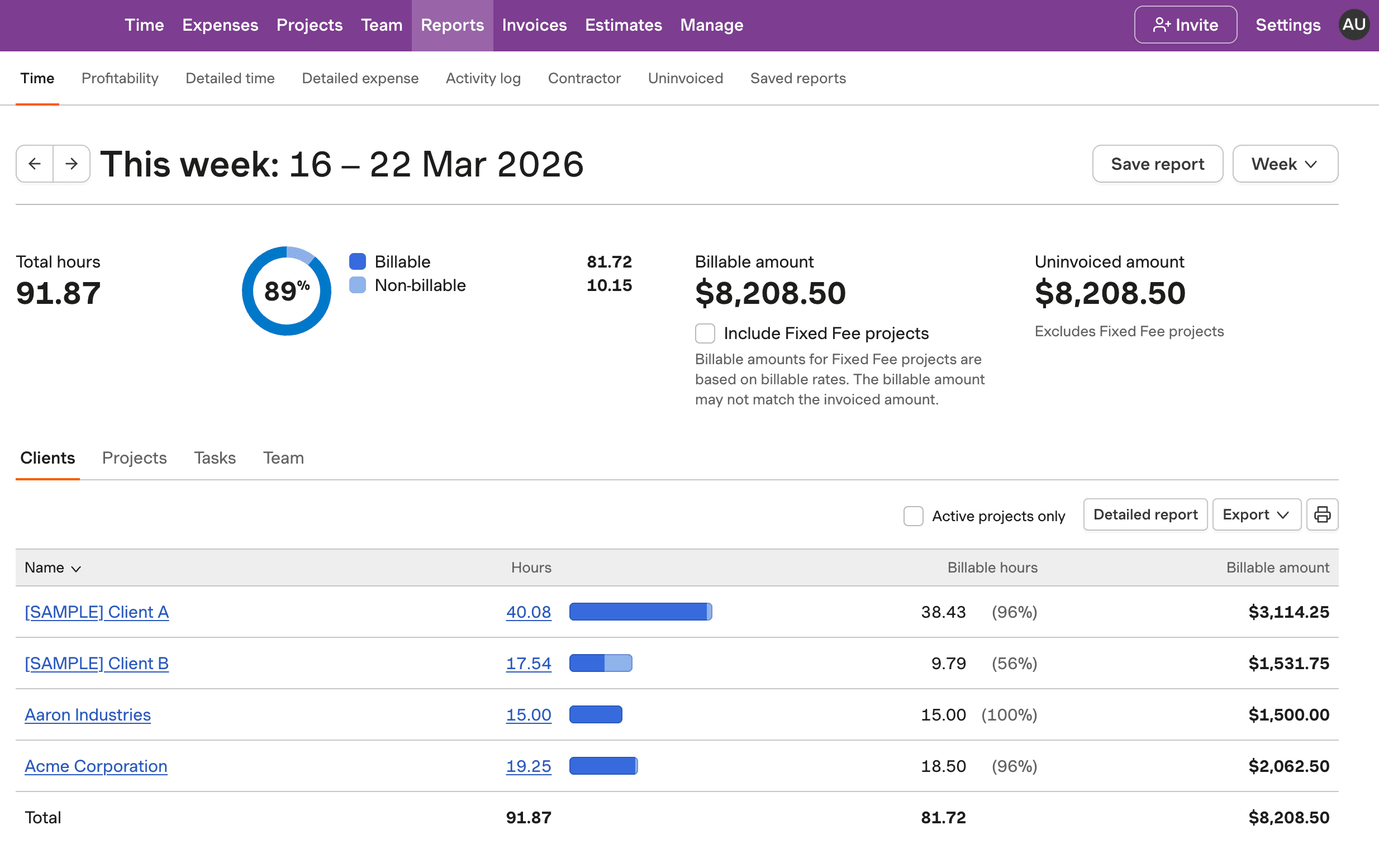
Discover how Harvest streamlines multi-location retail projects with robust integration and detailed project tracking features.

Harvest dashboard for retail project management

Project Management for Retail FAQs

  • Retail project management faces unique challenges such as managing multiple locations, adhering to tight seasonal deadlines, and ensuring cross-departmental coordination. Additionally, projects directly impact customer experience, requiring precision and efficiency. For example, seasonal campaigns must be meticulously planned, as nearly 30% of annual retail sales occur in the fourth quarter.

  • Technology enhances retail project management by providing real-time tracking, automated workflows, and data analytics for informed decision-making. Integrating project management software with existing systems like point-of-sale (POS) and inventory management ensures seamless information flow, optimizing operations and reducing manual errors.

  • Effective communication is crucial for coordinating retail projects across multiple locations. Centralized platforms and clear communication channels ensure that all team members, from store associates to executives, are aligned. Regular updates and dashboards provide real-time visibility, enhancing accountability and project success.

  • Harvest supports managing seasonal campaigns by allowing you to set fixed start and end dates for projects, ensuring timely execution. It integrates with existing systems like Asana and QuickBooks, streamlining operations and enhancing coordination across multiple locations.

  • Best practices for opening new retail stores include detailed planning for site selection, regulatory compliance, and operationalization. Minimizing disruption during the opening process and maintaining consistent customer experience are vital. A phased approach and strategic resource allocation can enhance efficiency and success.

  • Managing budget overruns requires robust planning and maintaining a contingency fund of 10% to 15% for unexpected expenses. Consolidating vendors can also lead to cost savings of up to 20%, optimizing budget management and ensuring project completion within financial constraints.

  • Key metrics to track in retail project management include sales per square foot, inventory turnover rate, and gross margin return on investment (GMROI). These KPIs provide insights into project performance and business impact, guiding strategic decisions and improving outcomes.

  • Harvest integrates seamlessly with existing retail operations through its connections with platforms like Asana and QuickBooks. This integration ensures a smooth flow of information and automates processes, enhancing efficiency and reducing manual intervention in project management.