Sign up free
The Evolving Landscape of Time Tracking: Beyond Basic Hours
The demand for integrated time tracking solutions is rapidly growing, with the market projected to reach $11.43 billion by 2030. This growth reflects a shift from manual to automated systems that not only log hours but also enhance productivity and efficiency. Despite the prevalence of time tracking tools, 82% of employees report lacking structured time management, with productivity limited to an average of just 2 hours and 53 minutes daily. This highlights a core challenge: understanding where time truly goes and how it impacts overall productivity.
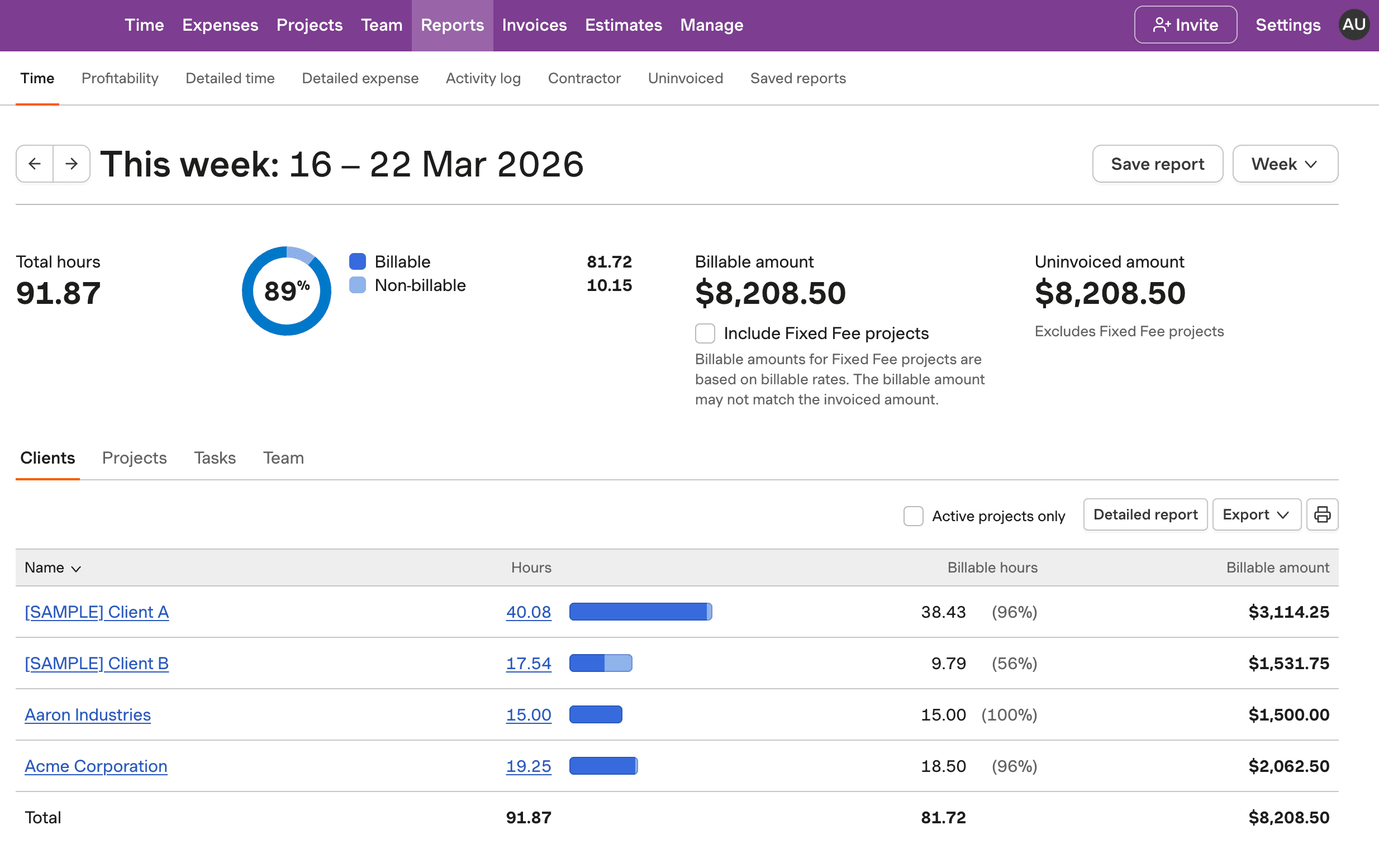
"All-in-one" time trackers like Harvest address these challenges by integrating time tracking with other business functions such as project management and invoicing. This integration helps businesses not only track time more accurately but also derive actionable insights into productivity and resource allocation. As organizations seek to capitalize on these benefits, the role of comprehensive time tracking solutions in enhancing business efficiency becomes increasingly critical.