Sign up free
The Strategic Importance of Billable Hours for Business Analysts
Billable hours are a cornerstone of financial success for business analysts, directly impacting revenue generation and financial forecasting. Accurately defining and tracking billable vs. non-billable work is crucial. For business analysts, billable hours include client-facing activities such as strategy sessions, deliverable creation, and data analysis. Non-billable hours often involve internal meetings and administrative tasks.
Inaccurate time tracking can lead to a 15-20% loss in billable income due to manual errors and forgotten tasks. Implementing accurate tracking mechanisms can increase captured billable hours to 95-98%, as demonstrated in professional services industries. This precision not only boosts income but also builds client trust through transparent billing practices.
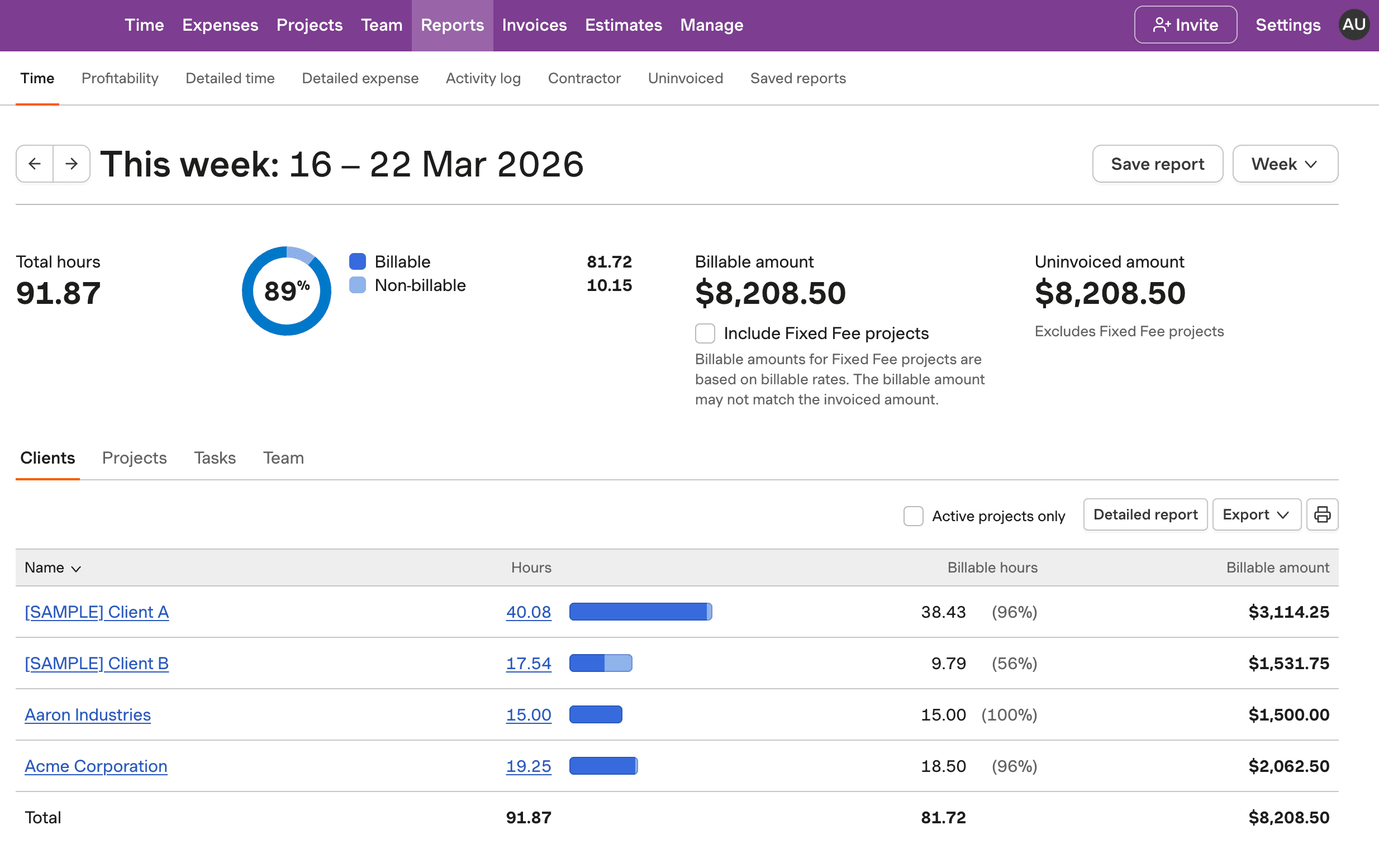
Utilization rates play a critical role in productivity and profitability. Business analysts should aim for a billable-to-total-hours ratio of 60-70%. Falling below this threshold often indicates excessive administrative overhead, which can be mitigated by optimizing non-billable tasks. Establishing clear billing cycles and maintaining transparent client communications are essential for ensuring financial health and client satisfaction.