
Harvest
Time Tracking
Sign up free

Time Tracking Software in Indonesia

Harvest offers Indonesian businesses precise time tracking and invoicing solutions, ensuring compliance with local labor laws like the 40-hour work week regulation.

Try Harvest Free

How many hours did you work this week?

Enter your clock-in and clock-out times for each day. The calculator handles breaks, overtime, and weekly totals automatically.

Day Clock In Clock Out Break Hours
Total hours this week 0h
Regular hours (≤40) 0h
Overtime hours 0h
Average hours/day 0h
Total break time 0h

Track time automatically with Harvest

Walk through the entire flow below. Start a timer, check your reports, and create a real invoice — all in three clicks.

Go ahead — start tracking!

One click and you're timing. Try it right here: start a timer, add an entry, edit the details. This is exactly how it feels in Harvest.

  • One-click timer from browser, desktop & mobile
  • Works inside Jira, Asana, Trello, GitHub & 50+ tools
  • Duration or start/end — your call
  • Day, week & calendar views to stay on top of it all
  • Friendly reminders so no hour gets left behind
Acme Corp
Website Redesign
Homepage layout revisions
1:24:09
Content Strategy
Blog calendar planning
1:30:00
SEO Audit
Technical audit report
0:45:00
Brand Guidelines
Color system documentation
2:15:00
Logo Concepts
Initial sketches round 1
1:00:00

Navigating Time Tracking in Indonesia: Understanding the Landscape

Time tracking is crucial for Indonesian businesses to maintain productivity and ensure compliance with local labor laws. With regulations mandating a maximum of 40 working hours per week and specific overtime compensation rules, it's essential for businesses to adopt reliable time tracking solutions. The transition from traditional methods, like manual timesheets and fingerprint scanners, to digital systems is accelerating, driven by the need for accuracy and efficiency. As the global market for time and attendance software is projected to reach USD 6.37 billion by 2031, Indonesian companies are increasingly seeking solutions that cater to their unique requirements.

Despite the clear advantages, many businesses face challenges in managing employee time, particularly in remote or hybrid work environments. The diversity of work models—office-based, remote, hybrid, and field teams—requires flexible solutions. Software that supports mobile attendance with GPS and geofencing is becoming indispensable. Moreover, with minimum wage regulations varying across provinces, integrating time tracking with payroll systems is vital for compliance.
Indonesian Labor Law and Time Tracking Compliance

Ensuring compliance with Indonesian labor laws is a critical consideration for any time tracking software. The law specifies a standard 40-hour work week, with structured options for 5 or 6-day schedules. Overtime is rigorously regulated, with weekday rates starting at 1.5 times the hourly wage for the first hour. Failure to comply can lead to significant financial penalties and legal complications.

Additionally, statutory leave entitlements such as 12 days of paid annual leave, sick leave, and maternity leave must be accurately tracked and managed. Compliance extends to BPJS contributions, where employers contribute 4% for healthcare and 3.7% for old age security. Data privacy is another crucial aspect, requiring employee consent for monitoring. Businesses must ensure that their time tracking solutions not only facilitate compliance but also protect employee data and privacy.

Essential Features of Time Tracking Software for Indonesian Businesses

For Indonesian businesses, choosing a time tracking software with the right features is essential. Mobile attendance with GPS and geofencing capabilities is critical for managing remote and field teams effectively. Biometric verification, such as facial recognition, enhances accuracy and security, ensuring that only authorized employees can clock in and out.

Automated timesheets and real-time attendance monitoring are vital for reducing administrative burdens and preventing errors. Comprehensive leave management and shift scheduling capabilities allow businesses to manage complex schedules and comply with labor laws seamlessly. Furthermore, robust reporting and analytics are indispensable for HR and payroll functions, providing insights into productivity and labor costs.

Pricing Models and Cost-Effectiveness for the Indonesian Market

Understanding the cost of time tracking solutions is a key consideration for businesses in Indonesia. Many providers offer free plans with basic features, making them suitable for small businesses or those with limited budgets. Paid plans are often priced to match the Indonesian market, with monthly costs ranging from Rp 7,800 to Rp 19,175 per employee.

When evaluating pricing, it's important to consider the return on investment (ROI) that a comprehensive time tracking solution can provide. By automating timekeeping and ensuring compliance, businesses can avoid costly errors and penalties, ultimately leading to significant savings. For small and medium-sized enterprises (SMEs), investing in the right solution can enhance productivity and support growth.

Choosing the Right Time Tracking Solution: Best Practices and Implementation Tips

Selecting the right time tracking solution involves a thorough assessment of business needs and compliance requirements. Begin by identifying specific needs such as the number of employees, the complexity of work schedules, and integration with existing HRIS or payroll systems. Prioritize features like mobile tracking, automated timesheets, and compliance tools.

Scalability, user-friendliness, and local customer support are also important factors to consider. Implementing time tracking software successfully requires employee buy-in, so ease of use and training resources are essential. As the market evolves, businesses should stay informed about new trends and features that could benefit their operations.

Time Tracking in Indonesia with Harvest

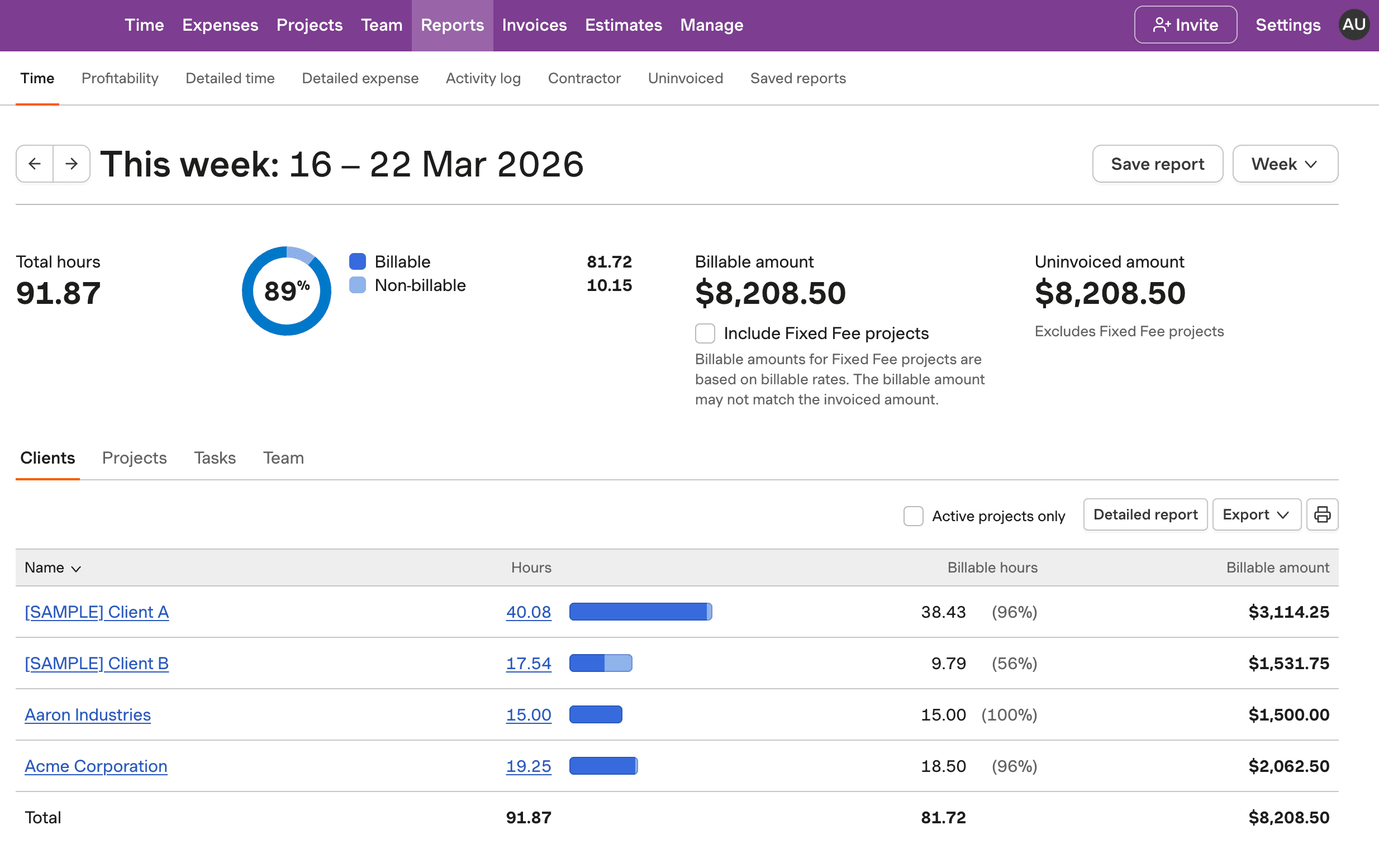
Explore how Harvest helps Indonesian businesses track time accurately and comply with labor laws. See features like mobile attendance and automated timesheets.

Screenshot of Harvest time tracking software for Indonesian businesses.

Time Tracking Software in Indonesia FAQs

  • Time tracking software helps ensure compliance by automating the calculation of working hours, overtime, and leave entitlements. It adheres to regulations, such as the 40-hour work week and specific overtime rates, thereby reducing the risk of legal penalties.

  • Look for features like mobile attendance with GPS, biometric verification, automated timesheets, and robust reporting. These ensure accurate time management and compliance with Indonesian labor laws. Integration with payroll systems is also crucial.

  • Yes, many time tracking solutions offer free plans with essential features suitable for SMEs. Paid plans typically offer advanced features and are priced affordably for the Indonesian market, ranging from Rp 7,800 to Rp 19,175 per employee.

  • Harvest integrates seamlessly with various HR and payroll systems, allowing for streamlined data transfer and management. This helps avoid data silos and enhances operational efficiency within Indonesian businesses.

  • Digital time tracking offers greater accuracy, efficiency, and compliance compared to traditional methods. It reduces errors, automates timekeeping, and provides real-time insights into employee productivity and labor costs.

  • Yes, Harvest's flexible time tracking features allow businesses to manage various work schedules, including shifts and flexible arrangements, ensuring compliance with local labor laws and optimizing workforce productivity.

  • Time tracking software adheres to Indonesian data privacy regulations, requiring employee consent for monitoring. It ensures data minimization, access control, and protection against unauthorized access, safeguarding employee privacy.

  • Harvest's comprehensive leave management features automate the calculation and tracking of statutory leave entitlements, ensuring compliance with Indonesian labor laws and reducing administrative burdens for HR teams.