
Harvest
Time Tracking
Sign up free

Timesheet in Thailand

Harvest offers adaptable timesheet management tools that align with Thai labor laws, ensuring compliance and efficient payroll integration for businesses.

Try Harvest Free

How many hours did you work this week?

Enter your clock-in and clock-out times for each day. The calculator handles breaks, overtime, and weekly totals automatically.

Day Clock In Clock Out Break Hours
Total hours this week 0h
Regular hours (≤40) 0h
Overtime hours 0h
Average hours/day 0h
Total break time 0h

Track time automatically with Harvest

Walk through the entire flow below. Start a timer, check your reports, and create a real invoice — all in three clicks.

Go ahead — start tracking!

One click and you're timing. Try it right here: start a timer, add an entry, edit the details. This is exactly how it feels in Harvest.

  • One-click timer from browser, desktop & mobile
  • Works inside Jira, Asana, Trello, GitHub & 50+ tools
  • Duration or start/end — your call
  • Day, week & calendar views to stay on top of it all
  • Friendly reminders so no hour gets left behind
Acme Corp
Website Redesign
Homepage layout revisions
1:24:09
Content Strategy
Blog calendar planning
1:30:00
SEO Audit
Technical audit report
0:45:00
Brand Guidelines
Color system documentation
2:15:00
Logo Concepts
Initial sketches round 1
1:00:00

Understanding Thailand's Labor Law Landscape for Timesheets

Thailand's Labour Protection Act (LPA) sets the framework for timesheet management, mandating a maximum of 8 working hours per day and 48 hours per week for most occupations. Hazardous jobs, such as those in construction and chemical handling, are limited to 7 hours daily and 42 hours weekly. To ensure compliance, businesses must provide at least one rest day per week and a minimum of 13 paid public holidays annually, including National Labour Day. If a holiday falls on a weekend, a substitute must be given. These requirements are crucial for configuring timesheet systems to align with Thai labor laws.

Minimum wage in Thailand varies by province, ranging from 337 to 400 baht per day as of 2026. This regional variance impacts payroll calculations, necessitating flexible timesheet solutions that accommodate provincial differences. Employers must also maintain payroll records for at least two years, ensuring transparency and compliance. Understanding these regulations is essential for businesses operating in Thailand, helping them avoid penalties and maintain smooth operations.
Overtime and Leave Management: Ensuring Thai Compliance

Managing overtime and leave in compliance with Thai regulations is a critical component of timesheet management. Overtime requires explicit employee consent, except in emergencies, and is capped at 36 hours per week. Pay rates for overtime vary: 1.5 times the regular wage for weekdays, 2 times for rest days during standard hours, and 3 times for work beyond standard hours on rest days. Accurate tracking and documentation of these hours are vital to meet legal standards.

Leave management must adhere to specific entitlements: a minimum of 6 days of paid annual leave after one year of service, up to 30 days of paid sick leave annually, and 98 days of maternity leave with partial employer compensation. These regulations require robust timesheet systems capable of tracking accruals and usage, ensuring compliance and fair employee treatment. Comprehensive documentation is crucial for all leave types, supporting both legal compliance and employee satisfaction.

Essential Features of a Compliant Timesheet Management Solution

A compliant timesheet management solution in Thailand must integrate automated attendance tracking methods such as biometric systems or mobile apps to capture precise work hours. These tools should include a configurable rules engine that automatically calculates regular hours, overtime, and leave based on Thai labor laws. This automation reduces manual errors and ensures accurate payroll processing.

Seamless integration with payroll systems is essential to streamline salary calculations, including overtime and leave deductions. Robust reporting and analytics capabilities are necessary for compliance audits and workforce insights, enabling businesses to maintain transparency and efficiency. Furthermore, data storage solutions should adhere to local record-keeping requirements, providing secure and accessible timesheet and payroll records for two to five years.

Implementing Best Practices for Timesheet and Payroll Integration

Transitioning from manual to automated timesheet systems involves several key steps to ensure compliance with Thai labor laws. First, businesses should establish clear policies outlining working hours, overtime rules, and leave entitlements, ensuring employees are informed and consensual about overtime work. Automating timesheet data collection and payroll integration minimizes errors and enhances efficiency.

Regularly reviewing and updating system configurations to reflect changes in labor laws is crucial. Employee training on new systems and compliance protocols is essential to facilitate smooth transitions and foster a culture of transparency and accountability. Lastly, providing employees with self-service options for time and leave requests enhances engagement and satisfaction, while ensuring compliance with Thai regulations.

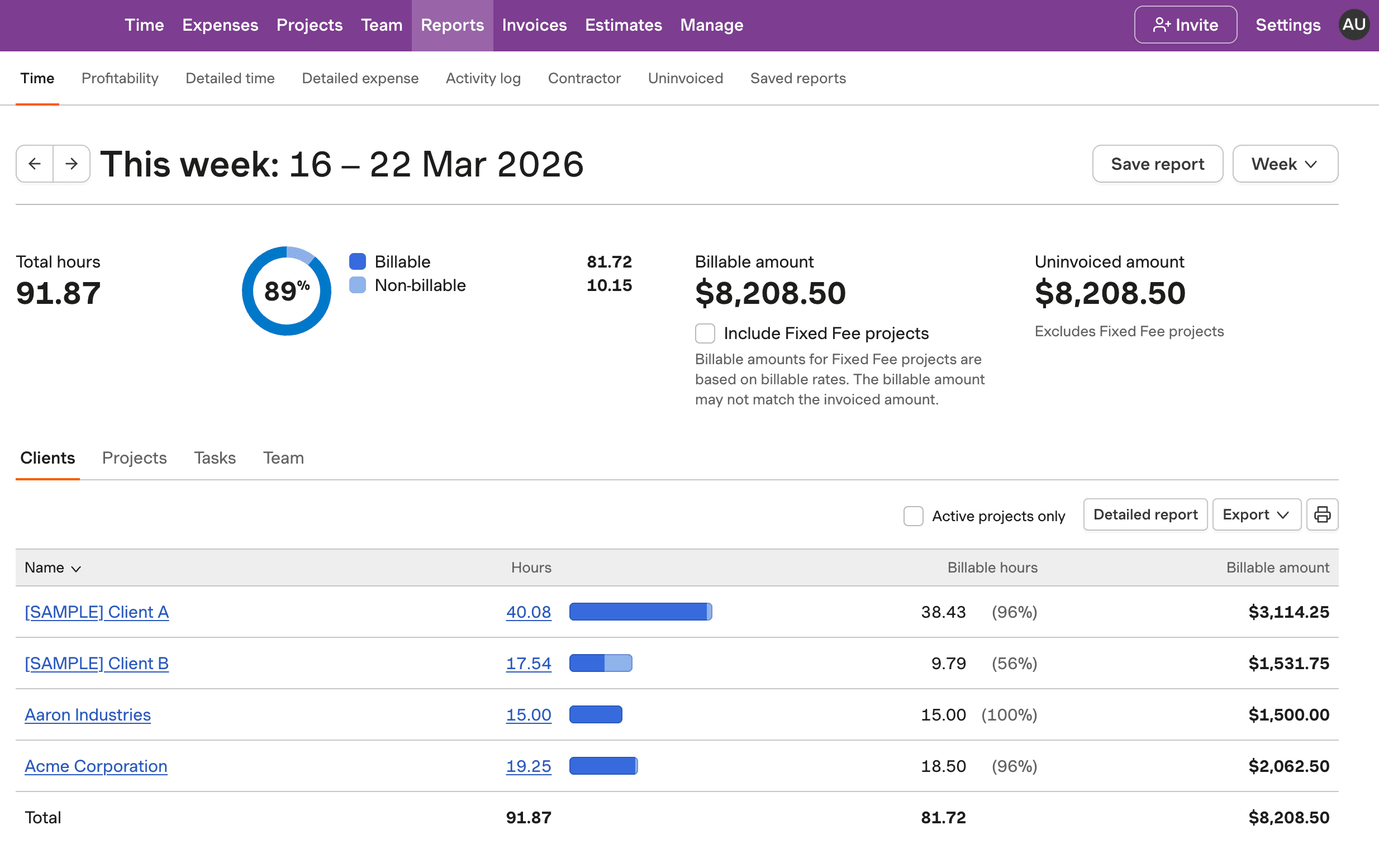
Timesheet Management with Harvest

See how Harvest helps manage timesheets in Thailand, ensuring compliance with labor laws and seamless payroll integration.

Harvest timesheet management interface for Thailand

Timesheet in Thailand FAQs

  • Businesses ensure compliance by adhering to the Labour Protection Act, which mandates maximum working hours and minimum rest periods. Utilizing automated timesheet systems helps track work hours accurately, while integration with payroll systems ensures correct overtime and leave calculations.

  • Overtime in Thailand requires employee consent and is capped at 36 hours per week. Pay rates vary, with 1.5 times the regular wage for weekdays and up to 3 times for work on rest days beyond standard hours. Accurate documentation is essential for compliance.

  • A compliant system should offer automated attendance tracking, a configurable rules engine for calculations, seamless payroll integration, and robust reporting capabilities. It must also adhere to local data storage requirements.

  • Harvest provides user-friendly interfaces for effective timesheet management, offering customizable reporting features that can be adapted to meet Thai labor law compliance requirements and local business needs.

  • Employers must provide at least 13 paid public holidays annually. If a holiday falls on a weekend, a substitute holiday must be granted on the next working day. This requirement ensures employees receive their entitled rest and recognition days.

  • Integration involves automating the transfer of time data to payroll systems, ensuring accurate salary, overtime, and leave payments. This reduces manual errors and ensures timely compliance with Thai labor laws.

  • Employers must maintain comprehensive payroll records, including working hours and overtime calculations, for at least two years, though some recommend keeping records for up to five years to ensure compliance and preparedness for audits.