
Harvest
Time Tracking
Sign up free

Break Calculator for Paychex

Harvest is a comprehensive tool for teams and freelancers to track time and manage invoices efficiently, ensuring no billable hour is lost.

Try Harvest Free

How many hours did you work this week?

Enter your clock-in and clock-out times for each day. The calculator handles breaks, overtime, and weekly totals automatically.

Day Clock In Clock Out Break Hours
Total hours this week 0h
Regular hours (≤40) 0h
Overtime hours 0h
Average hours/day 0h
Total break time 0h

Track time automatically with Harvest

Walk through the entire flow below. Start a timer, check your reports, and create a real invoice — all in three clicks.

Go ahead — start tracking!

One click and you're timing. Try it right here: start a timer, add an entry, edit the details. This is exactly how it feels in Harvest.

  • One-click timer from browser, desktop & mobile
  • Works inside Jira, Asana, Trello, GitHub & 50+ tools
  • Duration or start/end — your call
  • Day, week & calendar views to stay on top of it all
  • Friendly reminders so no hour gets left behind
Acme Corp
Website Redesign
Homepage layout revisions
1:24:09
Content Strategy
Blog calendar planning
1:30:00
SEO Audit
Technical audit report
0:45:00
Brand Guidelines
Color system documentation
2:15:00
Logo Concepts
Initial sketches round 1
1:00:00

Understanding Break Compliance and Regulations

Break compliance is a critical component of labor law adherence, and understanding these regulations is essential for businesses. For instance, the Fair Labor Standards Act (FLSA) does not mandate employers to provide meal or rest breaks, but if offered, breaks lasting 5 to 20 minutes must be paid and included as hours worked. Meal breaks, typically 30 minutes or longer, can be unpaid provided the employee is completely freed from duties. States such as California and Oregon have stricter mandates, requiring specific break periods that, if not met, can lead to a premium payment of one additional hour of wages for each workday a break is missed.

Employers in states like California must navigate rules that require a 30-minute unpaid meal break for shifts over 5 hours, and a 10-minute paid rest break for every 4 hours worked. In Oregon, a 30-minute unpaid meal break is required for shifts between 6 and 8 hours, with a paid 10-minute rest break for each 4 hours worked. Understanding these nuances is critical for compliance and avoiding penalties.
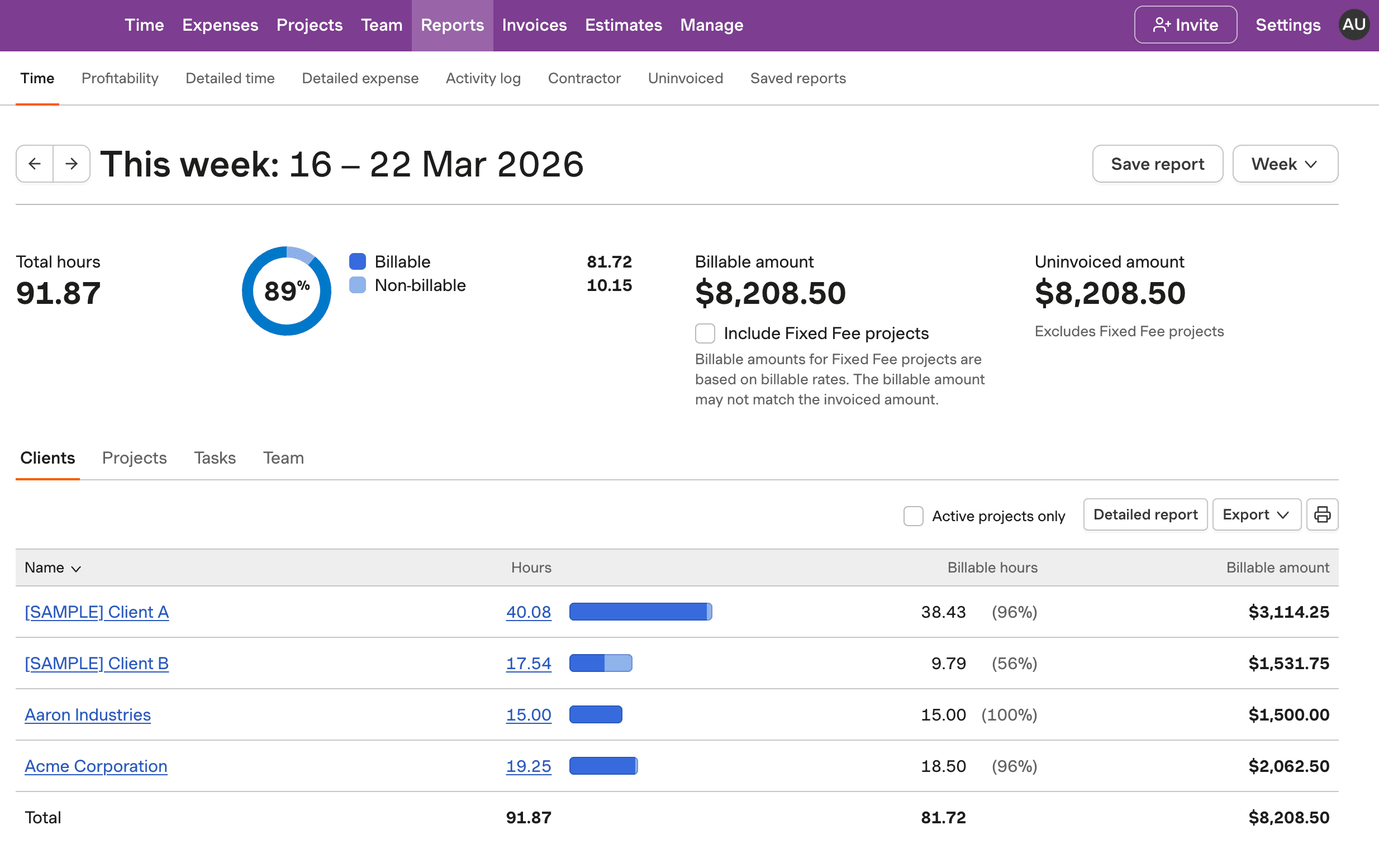
Automated Time Tracking for Accurate Break Management

Automated time tracking systems can significantly enhance break management, ensuring compliance with labor laws while reducing administrative burdens. By implementing time tracking software that integrates seamlessly with payroll systems, businesses can automate the recording of clock-ins and clock-outs for breaks, applying appropriate break rules based on shift length and location. This automation not only minimizes manual entry errors but also ensures that breaks are tracked accurately and paid appropriately, in line with legal requirements.

For example, systems can be configured to automatically deduct unpaid breaks or prompt employees to take breaks, which helps in maintaining compliance and reducing the risk of disputes. Additionally, converting break times from minutes to decimal format ensures precise payroll calculations, where 15 minutes is represented as 0.25 hours and 30 minutes as 0.5 hours. Such precision is crucial for accurate payroll processing and labor cost management.

Best Practices for Break Policy Implementation

Developing clear break policies is vital for maintaining compliance and ensuring that both employees and employers understand their rights and responsibilities. These policies should outline procedures for clocking in and out, break durations, pay statuses, and consequences for non-compliance. Employers should communicate these policies clearly, perhaps through employee handbooks, to avoid misunderstandings and ensure uniform compliance across the organization.

Regular audits and compliance checks are recommended to identify discrepancies and patterns of non-compliance. Training supervisors to enforce break compliance and understand on-duty work rules during breaks is equally important. Additionally, integrating time tracking with payroll systems streamlines processes, reducing errors and ensuring accurate compensation. Businesses should also be mindful of regional variations in break laws, always adhering to the most generous employee-friendly regulations.

Track Breaks with Harvest

See how Harvest helps you track employee breaks and integrates with payroll systems for compliance.

Screenshot of Harvest tracking breaks for Paychex integration.

Break Calculator for Paychex FAQs

  • Calculating break times for payroll involves understanding federal and state laws. Federal law requires paid breaks between 5 and 20 minutes to be counted as hours worked, while meal periods can be unpaid if the employee is relieved of duties. State regulations may impose stricter requirements, such as mandatory rest and meal breaks.

  • Legal requirements for employee breaks vary by state. While federal law does not mandate breaks, states like California and Oregon have specific rules. For instance, California requires a 30-minute unpaid meal break for shifts over 5 hours and a 10-minute paid rest break for every 4 hours worked.

  • Yes, integrating break tracking with payroll systems is possible and helps streamline the process. Automated time tracking software can record break times, apply rules, and ensure accurate payroll calculations, reducing manual errors and ensuring compliance.

  • Failing to provide required breaks can result in financial penalties, such as paying an additional hour of wages for each missed break. Compliance with state-specific regulations is crucial to avoid these penalties and maintain good employee relations.

  • Automated time tracking helps with break compliance by accurately recording clock-ins and clock-outs, applying break rules, and reducing manual errors. Integration with payroll ensures that breaks are accounted for correctly in wage calculations.

  • Harvest offers features like one-click start/stop timers, manual time entry, detailed reporting, expense tracking, and integration with various platforms, making it ideal for efficient time management and invoicing.

  • While Harvest focuses on time tracking and reporting, it offers integrations with several platforms to enhance workflow efficiency. Users can export data for payroll processing, ensuring that time worked and breaks are accurately reflected in payroll calculations.