
Harvest
Time Tracking
Sign up free

Break Calculator for Alaska

Harvest offers precise time tracking and invoicing solutions for teams and freelancers, eliminating manual errors and boosting productivity.

Try Harvest Free

How many hours did you work this week?

Enter your clock-in and clock-out times for each day. The calculator handles breaks, overtime, and weekly totals automatically.

Day Clock In Clock Out Break Hours
Total hours this week 0h
Regular hours (≤40) 0h
Overtime hours 0h
Average hours/day 0h
Total break time 0h

Track time automatically with Harvest

Walk through the entire flow below. Start a timer, check your reports, and create a real invoice — all in three clicks.

Go ahead — start tracking!

One click and you're timing. Try it right here: start a timer, add an entry, edit the details. This is exactly how it feels in Harvest.

  • One-click timer from browser, desktop & mobile
  • Works inside Jira, Asana, Trello, GitHub & 50+ tools
  • Duration or start/end — your call
  • Day, week & calendar views to stay on top of it all
  • Friendly reminders so no hour gets left behind
Acme Corp
Website Redesign
Homepage layout revisions
1:24:09
Content Strategy
Blog calendar planning
1:30:00
SEO Audit
Technical audit report
0:45:00
Brand Guidelines
Color system documentation
2:15:00
Logo Concepts
Initial sketches round 1
1:00:00

Understanding Alaska's Break Laws: A General Overview

Alaska's break laws differ significantly between adult and minor employees, providing specific guidelines for the latter while offering employers considerable discretion for the former. Adult employees, those aged 18 and over, are not legally entitled to meal or rest breaks under state law. However, if an employer voluntarily offers these breaks, any rest period lasting 20 minutes or less must be compensated as paid work time. Conversely, meal periods over 20 minutes can be unpaid, provided employees are entirely relieved of duties during this time.

For minor employees, Alaska mandates more stringent requirements. Those aged 14-17 must receive a 30-minute break after working five or more consecutive hours. This break must occur after the first 1.5 hours and before the last hour of their shift. Failure to comply with these regulations can lead to minimum wage liabilities for the employer. Additionally, minors face specific work hour restrictions, such as a maximum of nine hours of school and work combined in one day when school is in session.
Mandatory Breaks for Minor Employees in Alaska

For employees under 18, Alaska enforces strict break requirements that employers must observe. Minors aged 14-17 are entitled to a 30-minute break when working five or more consecutive hours. This break should be scheduled after the first 90 minutes and before the last hour of their work shift. Compliance is crucial, as failing to provide these breaks can result in employers facing minimum wage liabilities for the missed or delayed break time.

Moreover, minors are subject to specific scheduling constraints, such as working only between 5 a.m. and 9 p.m. and totaling no more than 23 hours per week outside school hours when school is in session. Employers must ensure these guidelines are met to avoid legal complications and support the well-being of their younger workforce.

Adult Employee Breaks: Employer Discretion and Compensation Rules

In Alaska, there is no legal obligation for employers to provide breaks for employees aged 18 and over. However, when breaks are offered, they come with specific compensation rules. Rest breaks of 20 minutes or less must be paid, reflecting their nature as work time. Conversely, meal periods exceeding 20 minutes can be unpaid if the employee is fully relieved of duties and free to pursue personal activities.

Employers must communicate their break policies clearly to avoid misunderstandings and ensure compliance with wage laws. If an employer requires work during a meal break, even minor tasks like answering a phone, the entire break must be paid. Consistent application of these rules helps maintain a fair working environment and prevents potential wage disputes.

Special Break Provisions: Nursing Mothers and Industry-Specific Notes

Alaska law, in conjunction with federal regulations, provides specific protections for nursing mothers. Employers must offer reasonable unpaid break time and a private space, excluding bathrooms, for employees to express breast milk. These provisions ensure that nursing mothers can balance work responsibilities with their needs.

Additionally, while not directly related to breaks, it's important to note that certain industries and job categories might have exemptions from standard overtime regulations. However, the general principles of break provisions, especially those for minors and nursing mothers, apply universally across various sectors in Alaska. Employers should review both state and federal laws to ensure compliance with all applicable labor regulations.

Explore Harvest for Alaska Payroll

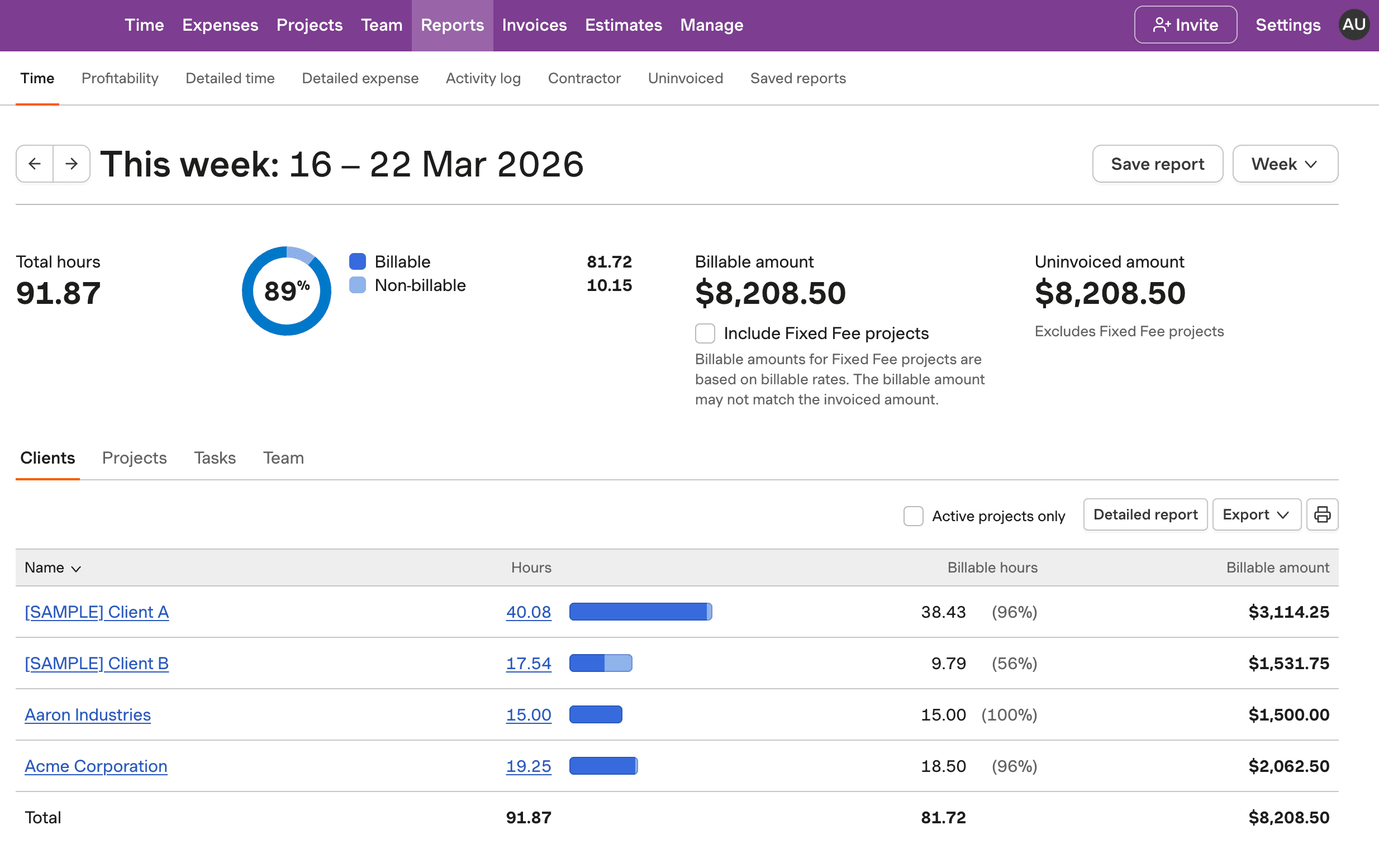
See how Harvest tracks time and manages invoices, tailored for Alaska's unique payroll needs.

Screenshot of Harvest time tracking interface for Alaska payroll context

Break Calculator for Alaska FAQs

  • In Alaska, a meal break lasting more than 20 minutes can be unpaid, provided the employee is completely relieved of all work duties during that time.

  • Teenagers aged 14-17 in Alaska must receive a 30-minute break if they work five or more consecutive hours. This break must occur after the first 1.5 hours and before the last hour of their shift.

  • Yes, if your employer allows short breaks of 20 minutes or less, these must be compensated as paid work time under Alaska law.

  • If your employer requires you to perform any work duties during your meal break, that time must be paid. Unpaid meal breaks require complete relief from work duties.

  • Yes, employers must provide reasonable unpaid break time and a private, non-bathroom space for nursing mothers to express milk, in compliance with state and federal law.

  • Minors aged 14-15 can work only between 5 a.m. and 9 p.m., not exceeding 23 hours per week during school sessions. During school breaks, they may work up to 40 hours per week.