
Harvest
Time Tracking
Sign up free

Break Calculator for Retail Workers

Retail workers face complex break regulations. Harvest provides clear tracking and insights, ensuring compliance and efficiency.

Try Harvest Free

How many hours did you work this week?

Enter your clock-in and clock-out times for each day. The calculator handles breaks, overtime, and weekly totals automatically.

Day Clock In Clock Out Break Hours
Total hours this week 0h
Regular hours (≤40) 0h
Overtime hours 0h
Average hours/day 0h
Total break time 0h

Track time automatically with Harvest

Walk through the entire flow below. Start a timer, check your reports, and create a real invoice — all in three clicks.

Go ahead — start tracking!

One click and you're timing. Try it right here: start a timer, add an entry, edit the details. This is exactly how it feels in Harvest.

  • One-click timer from browser, desktop & mobile
  • Works inside Jira, Asana, Trello, GitHub & 50+ tools
  • Duration or start/end — your call
  • Day, week & calendar views to stay on top of it all
  • Friendly reminders so no hour gets left behind
Acme Corp
Website Redesign
Homepage layout revisions
1:24:09
Content Strategy
Blog calendar planning
1:30:00
SEO Audit
Technical audit report
0:45:00
Brand Guidelines
Color system documentation
2:15:00
Logo Concepts
Initial sketches round 1
1:00:00

Understanding Federal and State Break Laws for Retail Workers

In the United States, break laws for retail workers vary significantly between federal and state levels. While the Fair Labor Standards Act (FLSA) does not require employers to provide meal or rest breaks, it stipulates that short breaks (typically 5 to 20 minutes) are compensable work hours and must be paid if offered. Meal breaks lasting 30 minutes or longer can be unpaid, provided the employee is fully relieved of all work duties. However, many states impose stricter regulations.

California mandates a 30-minute unpaid meal break for shifts exceeding five hours, and an additional break for shifts longer than 10 hours, along with a 10-minute paid rest break for every four hours worked. In contrast, states like Texas and Florida do not require breaks for adult employees, leaving policies to the discretion of employers. Understanding these variances is crucial for compliance, as non-compliance can lead to legal action, fines, and impact employee morale.
Types of Breaks: Rest vs. Meal Breaks

Retail workers need to differentiate between rest and meal breaks to ensure they receive proper compensation and rest. Rest breaks, typically lasting 5-20 minutes, are paid and are considered part of the workday. These breaks are usually mandated by state laws for every four hours worked, such as in Oregon, which requires a 10-minute paid rest break.

Meal breaks, on the other hand, are generally unpaid and last 30 minutes or more. For a meal break to be unpaid, the employee must be completely relieved from duty, meaning no work activities, like answering calls, should occur. In states like New York, specific timing for these breaks is mandated, such as a 30-minute lunch break during noon for shifts longer than six hours. Employers must track these breaks accurately to avoid potential disputes and ensure compliance with labor laws.

Calculating Breaks for Compliance and Efficiency

Calculating and scheduling breaks effectively is essential for maintaining compliance and operational efficiency in retail settings. The first step is to understand not only federal guidelines but also state-specific laws, which can vary widely. For instance, Maryland's Healthy Retail Employee Act requires a 15-minute rest for 4-6 hour shifts and a 30-minute meal break for shifts over six hours.

Retail managers should use tools and software to automate break calculations, ensuring accurate tracking and reducing manual errors. Implementing a break schedule framework that considers peak shopping times and staffing requirements is also advised. Staggering breaks not only ensures legal compliance but also maintains customer service levels during busy periods. Regular audits of break practices can help identify areas for improvement and ensure ongoing adherence to legal requirements.

Avoiding Common Pitfalls in Break Management

Retail employers must navigate complex break regulations to avoid common pitfalls. A clear, written policy on breaks should be included in employee handbooks, detailing rights, responsibilities, and procedures for taking breaks. Training supervisors to enforce these policies is crucial for compliance and for minimizing risks of legal action.

Non-compliance can result in fines and damage to employee morale. Regular audits and reviews of break schedules and timekeeping records are recommended to ensure compliance with state and federal laws. Employers in states like California must be especially vigilant, as missed breaks can require premium payments to employees. By proactively managing break policies, retail businesses can enhance employee satisfaction and reduce the risk of costly legal issues.

Harvest Break Calculator for Retail Workers

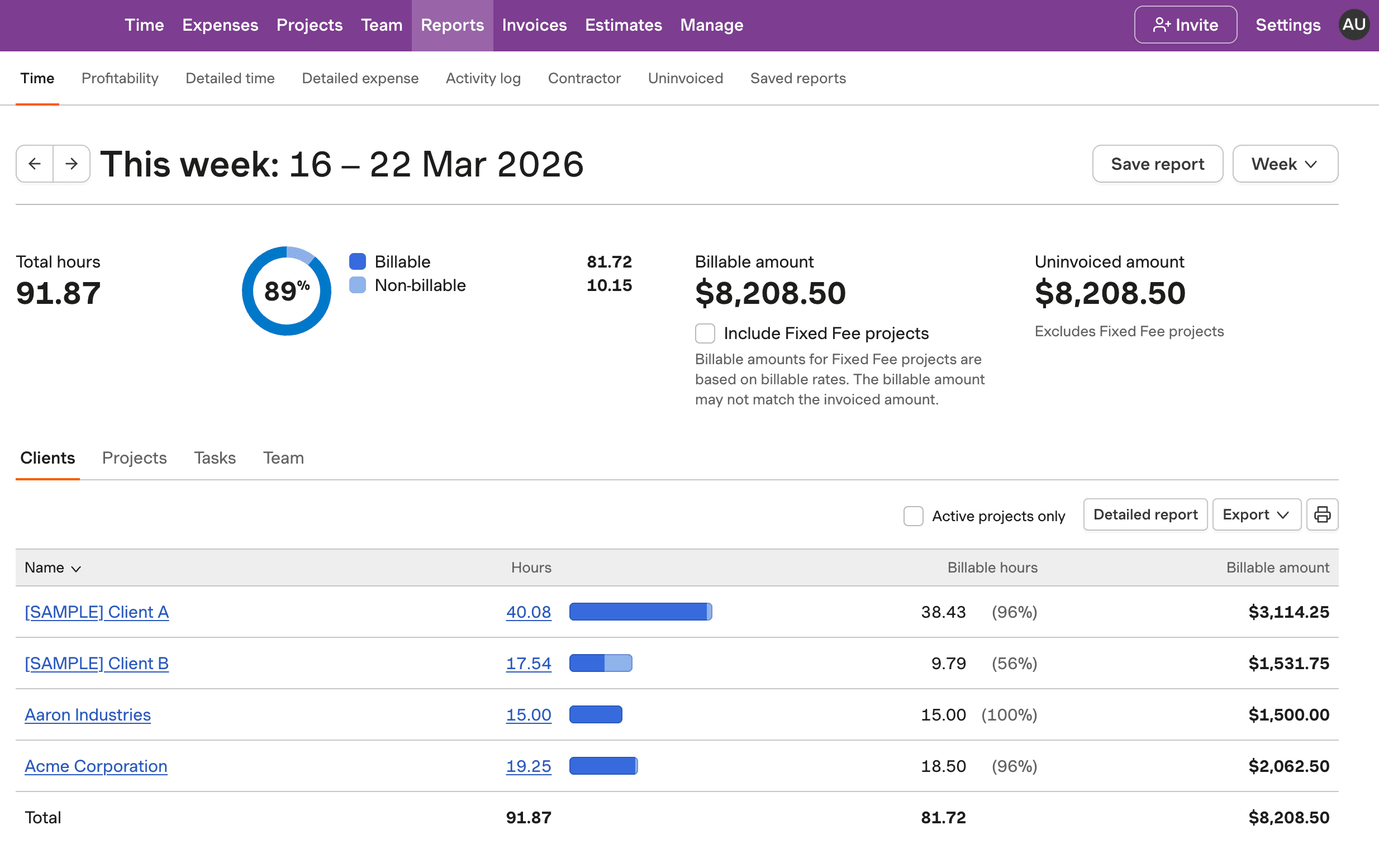
See how Harvest calculates breaks for retail workers, ensuring compliance with labor laws and optimizing schedules.

Harvest tool showing break calculations for retail workers

Break Calculator for Retail Workers FAQs

  • Break regulations for retail workers vary by state. While federal law does not mandate breaks, states like California require a 30-minute unpaid meal break for shifts over five hours and a paid 10-minute break every four hours. Other states may have no specific break laws, leaving policies to the employer's discretion.

  • To calculate breaks, consider your state’s specific break laws. For example, if you work an 8-hour shift in California, you are entitled to one 30-minute unpaid meal break and two 10-minute paid rest breaks. Using time tracking software can help automate this process and ensure compliance.

  • Yes, California requires retail workers to take a 30-minute unpaid meal break for shifts over five hours and a second 30-minute meal break for shifts over 10 hours. Additionally, a 10-minute paid rest break is required for every four hours worked.

  • A break calculator can help ensure compliance with labor laws by accurately tracking break times and alerting employers to any deviations from legal requirements. This helps prevent potential legal issues and ensures employees receive their entitled breaks.

  • If an employee works through a break, employers must compensate them for that time. In states like California, missed breaks can result in additional premium payments to employees. It is important for employers to track and manage breaks effectively to avoid such penalties.

  • State break laws for minors are generally stricter than for adults. For instance, in Alabama, minors working over five hours must receive a 30-minute break. Employers should be aware of these regulations to ensure compliance and protect young workers' rights.

  • Meal breaks are typically unpaid if they last 30 minutes or more and the employee is completely relieved of duties. However, if an employee performs any work during the meal break, it must be paid. Employers should clearly communicate break policies to avoid misunderstandings.

  • Retail employers can ensure break compliance by implementing clear policies, training supervisors, and using automated time tracking systems. Regular audits of break records can further help identify and rectify any non-compliance issues.