
Harvest
Time Tracking
Sign up free

Break Calculator for Factory Workers

Harvest tracks time efficiently, but break calculations for factory workers require understanding specific legal requirements and compliance strategies.

Try Harvest Free

How many hours did you work this week?

Enter your clock-in and clock-out times for each day. The calculator handles breaks, overtime, and weekly totals automatically.

Day Clock In Clock Out Break Hours
Total hours this week 0h
Regular hours (≤40) 0h
Overtime hours 0h
Average hours/day 0h
Total break time 0h

Track time automatically with Harvest

Walk through the entire flow below. Start a timer, check your reports, and create a real invoice — all in three clicks.

Go ahead — start tracking!

One click and you're timing. Try it right here: start a timer, add an entry, edit the details. This is exactly how it feels in Harvest.

  • One-click timer from browser, desktop & mobile
  • Works inside Jira, Asana, Trello, GitHub & 50+ tools
  • Duration or start/end — your call
  • Day, week & calendar views to stay on top of it all
  • Friendly reminders so no hour gets left behind
Acme Corp
Website Redesign
Homepage layout revisions
1:24:09
Content Strategy
Blog calendar planning
1:30:00
SEO Audit
Technical audit report
0:45:00
Brand Guidelines
Color system documentation
2:15:00
Logo Concepts
Initial sketches round 1
1:00:00

Navigating Break Regulations for Factory Workers

Understanding break regulations is crucial for factory workers to ensure compliance and maintain productivity. While the Fair Labor Standards Act (FLSA) does not federally mandate meal or rest breaks, it does require that if employers choose to offer short breaks (5 to 20 minutes), these must be paid. Meal periods, typically 30 minutes or more, can be unpaid if the employee is completely relieved of all duties. However, if any work is performed during this period, the break must be paid.

State-specific laws often have more stringent requirements. For example, California mandates a 30-minute unpaid meal break for shifts over five hours, and a 10-minute paid rest break for every four hours worked. In New York, factory workers must receive a 60-minute lunch break for shifts that extend over the noon-day period. These variations highlight the importance of understanding regional regulations for compliance.
Optimizing Break Schedules for Factory Productivity

Implementing strategic break schedules can enhance productivity and ensure compliance with labor laws. Breaks are essential for reducing cognitive fatigue and improving focus, especially in demanding factory environments. Employers should design schedules that align with workload patterns, minimizing production disruptions. For example, scheduling breaks during natural production lulls can maintain operational efficiency.

Staggered break schedules are recommended to ensure continuous operation while adhering to break laws. Employers must ensure that unpaid meal breaks are free from all work duties, allowing employees to use their time freely. Regular reviews of break policies and employee feedback are vital for ongoing improvement and compliance.

Understanding Paid vs. Unpaid Breaks

The distinction between paid and unpaid breaks is a fundamental aspect of labor law compliance. In general, short breaks (under 20 minutes) are considered compensable work hours, whereas meal periods over 30 minutes can be unpaid if employees are completely relieved of duties. This means they should not engage in any work-related activities during this time.

Differences in state laws further complicate this landscape. For instance, New York's regulations require a 60-minute meal break for factory workers, which may be unpaid, provided the worker is not required to perform tasks. Employers must clearly communicate these distinctions within their break policies to avoid misunderstandings and potential legal issues.

Ensuring Compliance with State-Specific Break Laws

Employers must navigate a complex web of federal and state-specific regulations to ensure compliance. For instance, Oregon requires a 30-minute unpaid break for shifts between 6 and 8 hours, while California has distinct requirements for rest and meal breaks that must be adhered to. Failure to comply with these laws can result in penalties and affect employee morale.

Understanding these varying laws is critical, especially for businesses operating in multiple states. Employers should document break policies in an employee handbook and ensure all staff members are informed. Utilizing tools that track employee time accurately can aid in maintaining compliance, though Harvest specializes in tracking billable hours rather than break times specifically.

Break Calculator for Factory Workers with Harvest

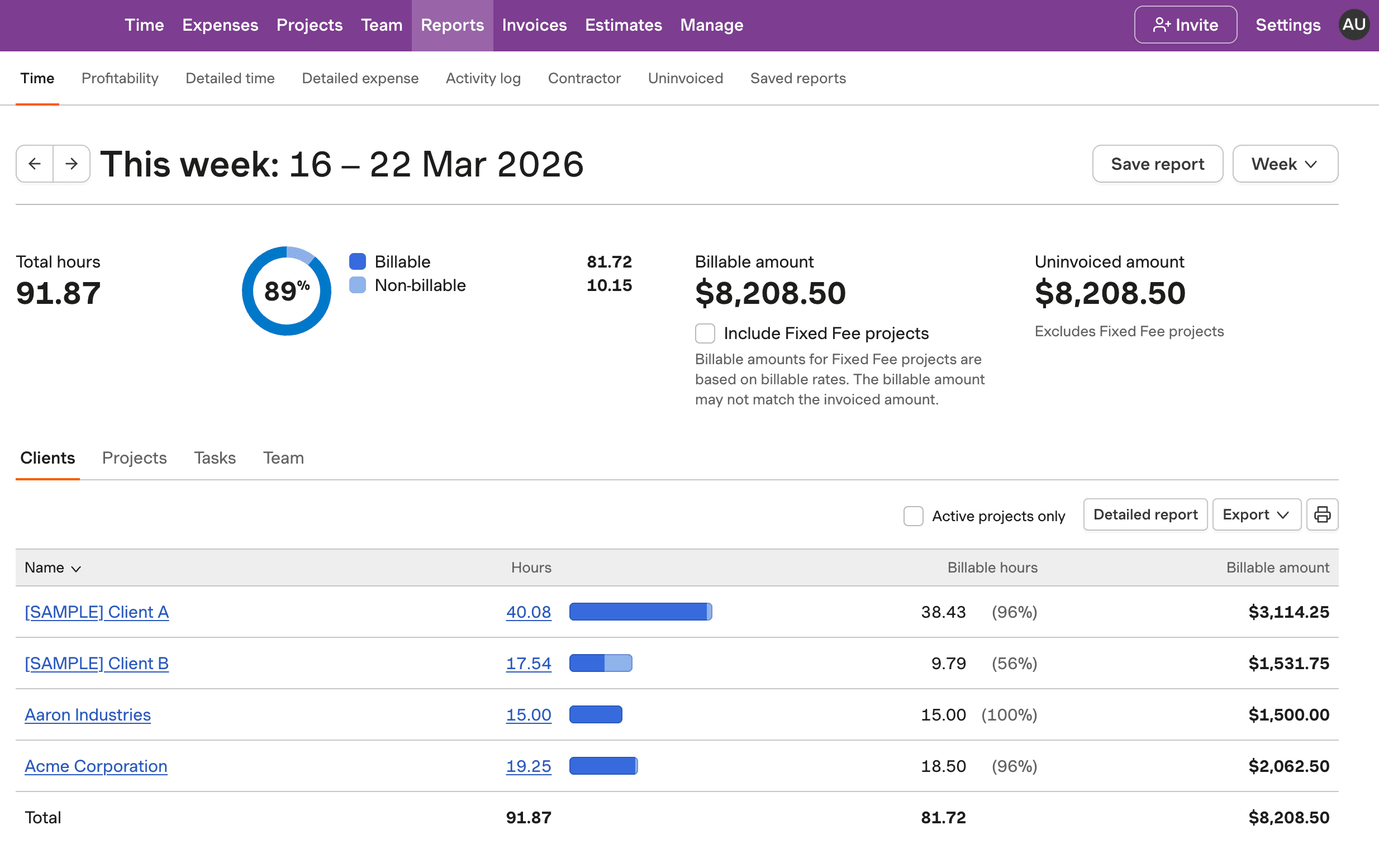
The preview shows Harvest's efficient time tracking capabilities. Note that while Harvest excels in tracking, break calculations require understanding legal requirements.

Screenshot of Harvest time tracking tool for break calculations.

Break Calculator for Factory Workers FAQs

  • Legal break requirements for factory workers vary by state. For example, California mandates a 30-minute unpaid meal break for shifts over five hours. New York requires a 60-minute lunch break for shifts over six hours. It's important to check specific state regulations to ensure compliance.

  • To calculate break times, first determine the shift length and refer to state-specific regulations. For instance, in California, a 10-minute paid rest break is required for every four hours worked. Use these guidelines to ensure proper scheduling and compliance.

  • Yes, break regulations differ significantly across states. For example, while Oregon requires a 30-minute unpaid break for shifts between 6 and 8 hours, New York mandates a 60-minute lunch for certain shifts. Employers must adhere to the strictest applicable laws in their operational states.

  • Paid breaks, typically under 20 minutes, are considered part of compensable work hours. Unpaid breaks, such as 30-minute meal periods, require employees to be completely relieved of duties. If any work is performed during this break, it must be compensated.

  • Ensure compliance by understanding both federal and state-specific break laws, implementing clear break policies, and using accurate time tracking systems. Regular reviews and updates based on current laws will help maintain compliance and employee satisfaction.

  • While Harvest excels at tracking billable and non-billable hours, it does not specifically handle break calculations for factory workers. Employers should use dedicated systems for break time compliance.

  • Non-compliance with break laws can result in legal penalties, fines, and decreased employee morale. Employers should stay informed of regulations and ensure their policies and practices align with legal requirements.