
Harvest
Time Tracking
Sign up free

Break Calculator for Warehouse Workers

Warehouse workers face complex break regulations, and Harvest offers a solution to manage these with precision. Harvest ensures compliance with a user-friendly break calculator tailored to warehouse needs.

Try Harvest Free

How many hours did you work this week?

Enter your clock-in and clock-out times for each day. The calculator handles breaks, overtime, and weekly totals automatically.

Day Clock In Clock Out Break Hours
Total hours this week 0h
Regular hours (≤40) 0h
Overtime hours 0h
Average hours/day 0h
Total break time 0h

Track time automatically with Harvest

Walk through the entire flow below. Start a timer, check your reports, and create a real invoice — all in three clicks.

Go ahead — start tracking!

One click and you're timing. Try it right here: start a timer, add an entry, edit the details. This is exactly how it feels in Harvest.

  • One-click timer from browser, desktop & mobile
  • Works inside Jira, Asana, Trello, GitHub & 50+ tools
  • Duration or start/end — your call
  • Day, week & calendar views to stay on top of it all
  • Friendly reminders so no hour gets left behind
Acme Corp
Website Redesign
Homepage layout revisions
1:24:09
Content Strategy
Blog calendar planning
1:30:00
SEO Audit
Technical audit report
0:45:00
Brand Guidelines
Color system documentation
2:15:00
Logo Concepts
Initial sketches round 1
1:00:00

Understanding Federal and State Break Laws for Warehouse Workers

Warehouse workers are subject to various break laws that differ significantly between federal and state levels. The Fair Labor Standards Act (FLSA) does not mandate breaks, but it does specify that short breaks, typically 5 to 20 minutes, must be paid if offered. Conversely, meal periods of 30 minutes or more are unpaid if employees are relieved of all duties. However, 32 states have their own regulations, with some imposing strict rules. For example, California mandates a 30-minute unpaid meal break for shifts over 5 hours and paid 10-minute rest breaks for every 4 hours worked.

Compliance with these laws is crucial for warehouse managers, as non-compliance can lead to penalties. In California, failing to provide a required meal or rest break results in a penalty of one additional hour of pay at the employee's regular rate. Additionally, states like Washington require a 10-minute paid rest break every 4 hours and a 30-minute meal break for shifts exceeding 5 hours. Understanding these diverse regulations is essential for managing warehouse worker schedules effectively.
The Role of Break Calculators in Compliance and Efficiency

Break calculators are essential tools for warehouse managers aiming to ensure compliance with labor laws while optimizing operational efficiency. These calculators help by automatically accounting for unpaid break times, thus providing an accurate calculation of compensable work hours. This not only simplifies payroll processes but also minimizes administrative burdens and supports legal compliance.

For employees, these tools guarantee fair compensation by clearly delineating work and break periods. Effective break calculators offer features such as real-time monitoring and adaptability to different regional laws, making them invaluable for companies with multi-location operations. By ensuring accurate break tracking and compliance, these tools help avoid costly penalties and improve worker satisfaction.

Best Practices for Managing Warehouse Worker Breaks

To manage warehouse worker breaks effectively, it is crucial to develop clear, legally compliant policies that align with both federal and state regulations. Automated time tracking systems should be implemented to enforce these policies and ensure that breaks are taken and recorded accurately. This is particularly important in states like California, where laws such as AB 701 prohibit quotas from interfering with breaks.

Employers need to ensure meal periods are duty-free, allowing employees full rest without responsibilities. Maintaining detailed records of break times not only demonstrates compliance but also mitigates legal risks. Proactively reviewing timekeeping procedures and addressing potential failures in break compliance are key strategies for effective management.

Special Considerations and Avoiding Common Pitfalls

Managing breaks for warehouse workers involves navigating various challenges, including differing requirements for minors and adults, industry-specific regulations, and potential penalties for non-compliance. For example, California imposes an additional hour of pay for missed breaks, emphasizing the need for meticulous compliance.

Industries with high physical demands, like warehousing, benefit from adhering to OSHA's recommendations for periodic rest breaks to prevent fatigue. Providing accessible and sanitary restroom facilities is another critical aspect of worker well-being. By understanding these nuances and maintaining robust break management systems, employers can effectively support their workforce and ensure compliance with all legal requirements.

Harvest Break Calculator for Warehouse Workers

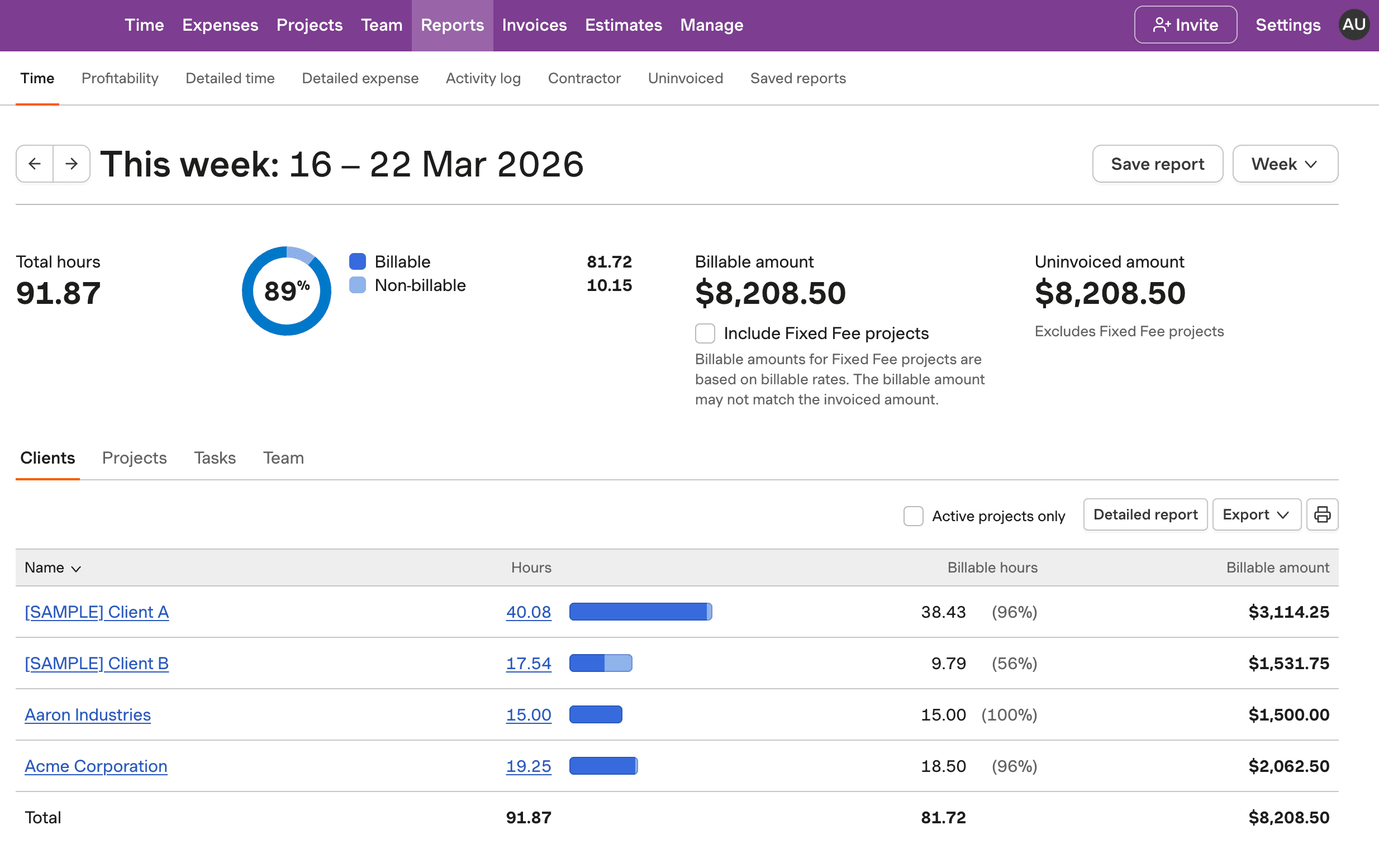
The preview showcases Harvest's break calculator, designed to manage and optimize warehouse worker breaks, ensuring compliance with labor laws.

Harvest's break calculator interface for warehouse workers.

Break Calculator for Warehouse Workers FAQs

  • Warehouse workers must comply with both federal and state break regulations. While the FLSA does not mandate breaks, it requires that short breaks (5-20 minutes) be paid if offered. Many states, like California, have stricter requirements, mandating meal and rest breaks based on shift length.

  • To input your work hours and breaks into a calculator, you typically enter the start and end times of your shift, along with the durations and types of breaks. The calculator will then deduct unpaid breaks from total hours, providing an accurate calculation of compensable time.

  • Yes, a good break calculator can differentiate between paid and unpaid breaks. It will automatically account for short, paid rest breaks and longer, unpaid meal breaks, ensuring accurate time tracking and compliance with applicable labor laws.

  • Yes, tracking overtime alongside break times is possible by using Harvest's time tracking features. You can log overtime separately and ensure that breaks are not included in overtime calculations, providing clear and compliant records.

  • While most break calculators are designed to be versatile, some may offer customizable features to accommodate different warehouse roles. These tools can be adapted to track specific break requirements and duties across various roles in a warehouse setting.

  • State laws significantly impact break regulations, often imposing more stringent requirements than federal laws. For instance, California mandates a 30-minute unpaid meal break and a 10-minute paid rest break for every 4 hours worked, impacting how breaks are scheduled and tracked.

  • Penalties for not providing required breaks vary by state. In California, employers must pay an additional hour of pay at the employee's regular rate for each day a meal or rest break is not provided, highlighting the importance of compliance.