
Harvest
Time Tracking
Sign up free

Federal vs State Break Laws

Navigating the complexities of break laws can be challenging. Harvest offers clarity, helping you manage time and compliance efficiently.

Try Harvest Free

How many hours did you work this week?

Enter your clock-in and clock-out times for each day. The calculator handles breaks, overtime, and weekly totals automatically.

Day Clock In Clock Out Break Hours
Total hours this week 0h
Regular hours (≤40) 0h
Overtime hours 0h
Average hours/day 0h
Total break time 0h

Track time automatically with Harvest

Walk through the entire flow below. Start a timer, check your reports, and create a real invoice — all in three clicks.

Go ahead — start tracking!

One click and you're timing. Try it right here: start a timer, add an entry, edit the details. This is exactly how it feels in Harvest.

  • One-click timer from browser, desktop & mobile
  • Works inside Jira, Asana, Trello, GitHub & 50+ tools
  • Duration or start/end — your call
  • Day, week & calendar views to stay on top of it all
  • Friendly reminders so no hour gets left behind
Acme Corp
Website Redesign
Homepage layout revisions
1:24:09
Content Strategy
Blog calendar planning
1:30:00
SEO Audit
Technical audit report
0:45:00
Brand Guidelines
Color system documentation
2:15:00
Logo Concepts
Initial sketches round 1
1:00:00

Understanding Federal Break Laws

The Fair Labor Standards Act (FLSA) is the primary federal guideline for workplace standards, but it does not mandate meal or rest breaks for employees. However, if employers choose to provide breaks, federal law stipulates that breaks lasting between 5 to 20 minutes must be considered paid work time. This approach ensures that employees are not unfairly penalized for taking short breaks that promote productivity and well-being. The absence of a federal requirement means that break policies can vary widely, leaving the onus on employers to determine what, if any, break benefits they offer.

Employers who do provide breaks must adhere to these federal guidelines, ensuring breaks are compensated appropriately. It’s crucial for businesses to understand these stipulations to avoid potential violations, as improperly compensated breaks could lead to a significant financial liability. Knowing federal break laws is the first step to compliance and fair employee treatment.
State Break Laws: More Than Federal

Unlike federal law, many states have specific regulations mandating meal and rest breaks for employees. For example, California requires a 30-minute meal break for every 5 hours worked, and a 10-minute rest break for every 4 hours. These state-specific rules mean that employers must be vigilant in understanding and implementing the correct break policies for their location, as failing to comply can lead to penalties.

In states with mandated break laws, such as Oregon and Washington, employees are entitled to both meal and rest breaks, which must be uncompensated and compensated respectively. These regulations underscore the importance of employers being familiar with local laws, as they can significantly impact scheduling and payroll. Employers must regularly review and update their policies to ensure adherence to both state and federal regulations.

Implications for Employers and Employees

The divergence between federal and state break laws has significant implications for both employers and employees. Employers operating in multiple states need to navigate a complex landscape of laws to maintain compliance. This often involves customizing break policies to align with the most stringent requirements applicable to their workforce. For instance, in California, failing to provide required breaks can result in penalties amounting to one hour of pay for each workday a break is denied.

Employees, on the other hand, must be aware of their rights to ensure they receive the breaks they are entitled to. Understanding both federal and state regulations empowers employees to advocate for themselves in the workplace, ensuring fair treatment and adequate rest. Employers benefit from clear, compliant policies that reduce the risk of legal disputes and enhance employee satisfaction and productivity.

Navigating Break Laws Across the States

When comparing federal and state break laws, certain states stand out for their stringent requirements. For example, Colorado mandates a 30-minute meal break for shifts exceeding 5 hours and additional rest periods. New York requires a meal break for employees working more than 6 hours. These variations necessitate a tailored approach for employers operating in multiple regions.

To effectively manage compliance, employers should implement a comprehensive tracking system that records employee breaks. This not only ensures adherence to varying laws but also provides documentation in case of disputes. By proactively managing break policies and staying informed about legal changes, businesses can mitigate risks and foster a compliant, employee-friendly environment.

Understand Break Laws with Harvest

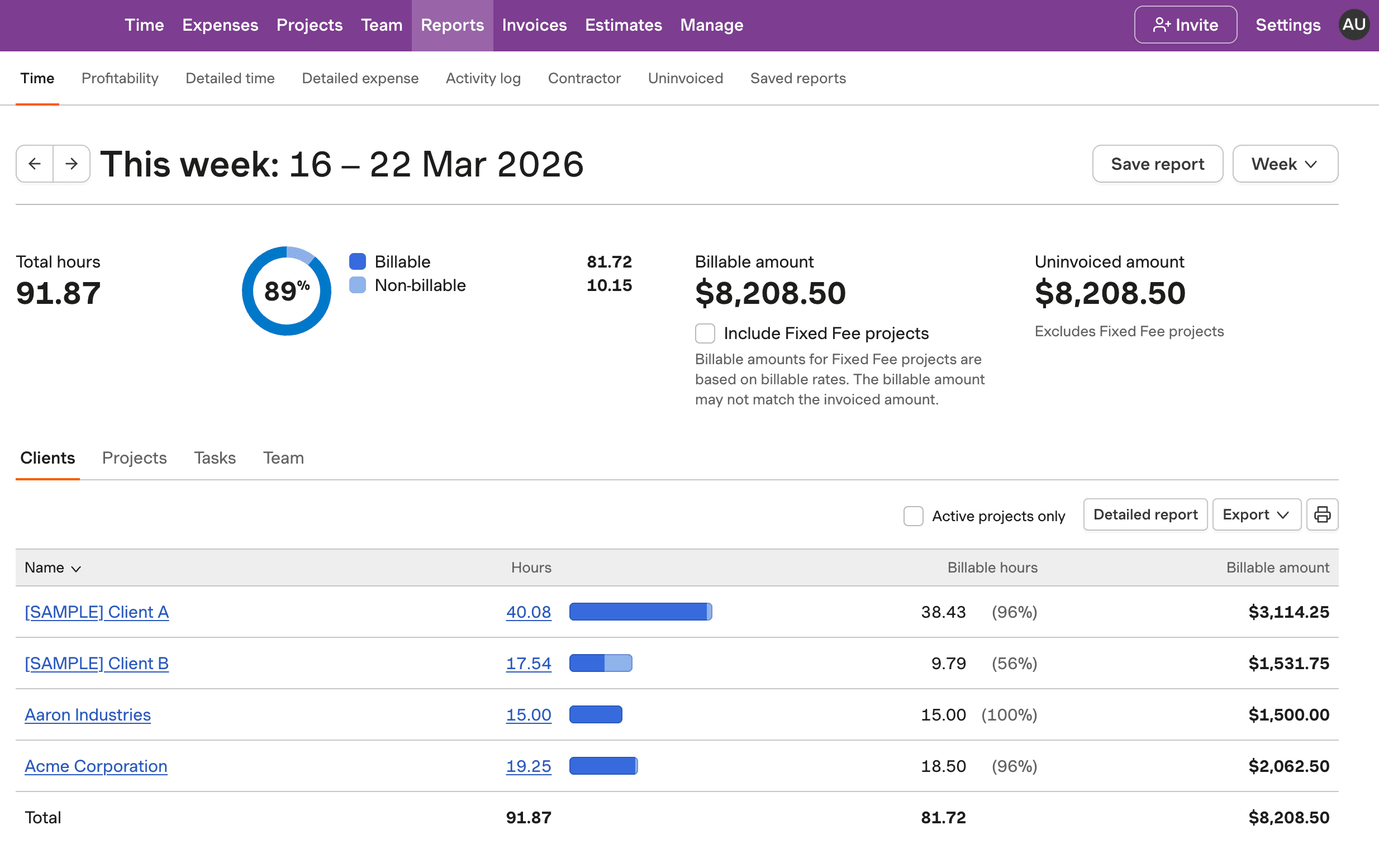
Explore how Harvest clarifies federal vs state break laws, helping you manage compliance and employee rights efficiently.

Screenshot showing comparison of federal and state break laws in Harvest.

Federal vs State Break Laws FAQs

  • The Fair Labor Standards Act (FLSA) does not require employers to provide breaks. However, if breaks between 5 and 20 minutes are offered, they must be paid.

  • State break laws often mandate specific break times, unlike federal laws. For example, California requires meal and rest breaks, while federal laws do not.

  • Employers must comply with both federal and state laws, customizing policies to meet the strictest standards applicable, which can affect scheduling and payroll.

  • States like California, Oregon, and Washington have stricter break laws, requiring specific meal and rest breaks that are not required federally.

  • Employees should familiarize themselves with both state and federal regulations to advocate for their rights and ensure they receive adequate breaks.

  • Harvest provides tools to track employee time and breaks, helping businesses manage compliance with both federal and state break laws efficiently.

  • Yes, in states with mandated break laws, failing to provide breaks can result in penalties, such as one hour of pay per missed break in California.