
Harvest
Time Tracking
Sign up free

Flsa Overtime Calculator

Struggling with FLSA overtime calculations? Harvest's FLSA Overtime Calculator provides precise calculations, ensuring compliance with federal and state laws.

Try Harvest Free

What will your overtime pay be?

Calculate regular and overtime earnings based on your hours and rate. Supports standard time-and-a-half and double-time multipliers.

$
Standard is 40 hours/week (FLSA threshold)
1.5x
1.5x = time and a half (most common). 2x = double time (CA after 12h, holidays).
Some states require 2x pay after 12 hours/day or on 7th consecutive day.
Total gross pay $0
Regular pay $0
Overtime pay (1.5x) $0
Double-time pay (2x) $0
Effective hourly rate $0

Track overtime hours with Harvest

Walk through the entire flow below. Start a timer, check your reports, and create a real invoice — all in three clicks.

Go ahead — start tracking!

One click and you're timing. Try it right here: start a timer, add an entry, edit the details. This is exactly how it feels in Harvest.

  • One-click timer from browser, desktop & mobile
  • Works inside Jira, Asana, Trello, GitHub & 50+ tools
  • Duration or start/end — your call
  • Day, week & calendar views to stay on top of it all
  • Friendly reminders so no hour gets left behind
Acme Corp
Website Redesign
Homepage layout revisions
1:24:09
Content Strategy
Blog calendar planning
1:30:00
SEO Audit
Technical audit report
0:45:00
Brand Guidelines
Color system documentation
2:15:00
Logo Concepts
Initial sketches round 1
1:00:00

Understanding FLSA Overtime Pay

The Fair Labor Standards Act (FLSA) mandates that non-exempt employees receive overtime pay at a rate of one and one-half times their regular rate of pay for hours worked over 40 in a workweek. This ensures fair compensation for extra hours worked, a crucial aspect for employers to manage. The "regular rate of pay" includes all remuneration for employment, with certain statutory exclusions. In practical terms, this means calculating overtime involves not just the base hourly wage but also commissions and bonuses when applicable.

Understanding these nuances is vital for businesses, especially those operating in the United States, as state laws may require even higher overtime rates in certain situations. For example, some states mandate double-time pay for hours exceeding a particular threshold, such as over 16 hours in a 24-hour period. Effective January 1, 2025, the "One Big Beautiful Bill Act" introduces a federal income tax deduction for "qualified overtime compensation," making accurate tracking and reporting even more critical.
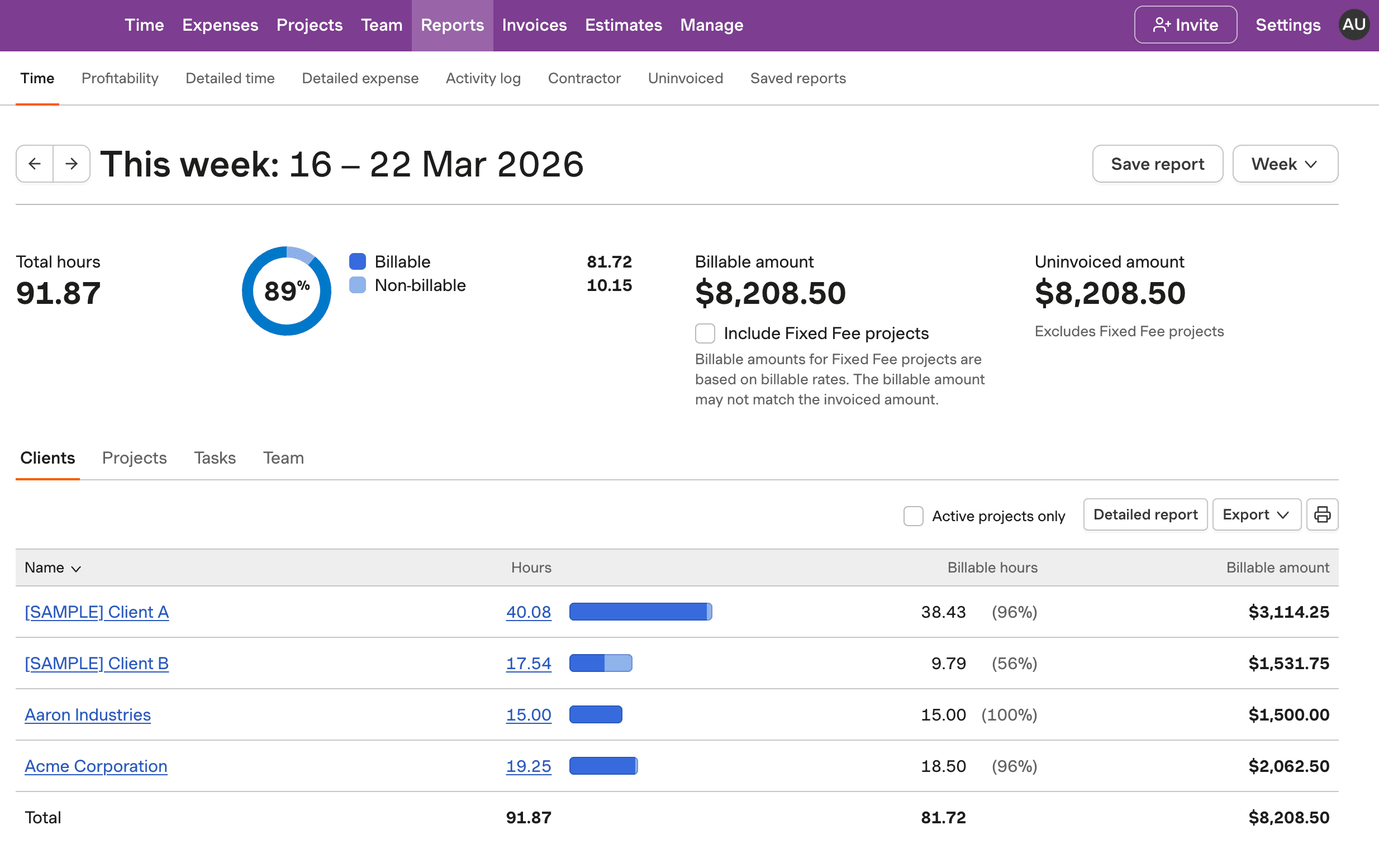
How to Calculate FLSA Overtime Correctly

Calculating FLSA overtime requires a clear understanding of the regular rate of pay and applicable multipliers. To begin, determine the regular hourly rate, which should include all earnings except for statutory exclusions. The typical overtime rate is 1.5 times this regular rate. For example, if an employee's regular hourly wage is $20, the overtime rate would be $30 per hour for any time worked over 40 hours in a week.

For businesses, it's essential to accurately track all hours worked to ensure compliance and proper billing. This 168-hour workweek framework is standard, meaning overtime calculations do not necessarily align with calendar weeks. Automated systems can simplify this process, ensuring that payroll and billing are both accurate and compliant with federal and state laws.

FLSA Overtime Calculator: A Reliable Tool

Using a reliable FLSA overtime calculator can significantly ease the burden of compliance and payroll accuracy. Such tools allow employers to input specific employment details, including regular hourly rates and total hours worked, to quickly determine the correct overtime pay. This ensures that both compliance with federal laws and accurate employee compensation are maintained.

Moreover, these calculators can be particularly beneficial for businesses in industries frequently managing overtime, such as healthcare, retail, and manufacturing. They help streamline payroll processes and reduce the potential for costly errors, ensuring that overtime pay is computed correctly and efficiently.

State-Specific Overtime Considerations

While the FLSA sets the federal standard for overtime pay, state-specific laws may impose additional requirements that businesses must follow. For instance, some states have daily overtime rules or higher minimum wage laws that can affect how overtime is calculated. Employers must be aware of these variations to remain compliant.

For example, California requires overtime pay for hours worked beyond eight in a day and double-time for hours exceeding 12. Moreover, businesses with federal contracts must adhere to additional regulations, such as the Federal Acquisition Regulation (FAR) clauses, which may dictate specific conditions under which overtime is authorized. Staying informed of these requirements helps businesses avoid legal pitfalls and ensures fair employee compensation.

Harvest's FLSA Overtime Calculator

Harvest's FLSA Overtime Calculator simplifies compliance with precise overtime calculations, tailored for your business needs.

Screenshot of Harvest FLSA Overtime Calculator interface.

Flsa Overtime Calculator FAQs

  • The formula for calculating FLSA overtime pay is to multiply an employee's regular rate of pay by 1.5 for hours worked over 40 in a workweek. For example, if the regular rate is $20, the overtime rate would be $30 per hour.

  • To use the FLSA overtime calculator, input the employee's regular hourly rate and total hours worked in the week. The calculator will then compute the overtime pay due, ensuring compliance with FLSA requirements.

  • You need to input the employee's regular hourly rate and the total number of hours worked in a workweek. This ensures that the calculator can correctly apply the 1.5x multiplier to determine overtime pay.

  • Yes, many states have their own overtime laws that may differ from FLSA standards. For example, California requires overtime pay for hours over eight in a day and double-time for hours over 12. Check your state's regulations for compliance.

  • Nonexempt employees are those entitled to minimum wage and overtime pay under the FLSA. They typically include hourly workers whose roles do not meet the criteria for exemptions such as executive, administrative, or professional duties.

  • While Harvest specializes in time tracking and invoicing, it requires manual input for overtime calculations. This makes it suitable for businesses needing detailed project-based time management and accurate overtime records.

  • Yes, federal contractors must follow FAR clauses, such as 52.222-2, which outline conditions for overtime use. Accurate tracking and justification of overtime premiums are essential to comply with these regulations.