
Harvest
Time Tracking
Sign up free

Margin Analysis Template Word

Harvest is the go-to tool for streamlining time and expense tracking, offering detailed project reports and budget alerts, ensuring you focus on margin analysis with confidence.

Try Harvest Free

What should you charge per hour?

Most freelancers and consultants dramatically undercharge. This calculator accounts for what most people miss: non-billable time, taxes, and overhead.

$
Accounting for vacation, holidays, sick days
60%
Most freelancers can bill 50-70% of their time. The rest goes to admin, marketing, proposals, and learning.
$
Software, insurance, equipment, accounting, taxes beyond income tax, etc.
Your break-even rate $0
Recommended rate (+20% buffer) $0
Billable hours per week 0h
Equivalent daily rate $0

Start tracking your billable hours

Walk through the entire flow below. Start a timer, check your reports, and create a real invoice — all in three clicks.

Go ahead — start tracking!

One click and you're timing. Try it right here: start a timer, add an entry, edit the details. This is exactly how it feels in Harvest.

  • One-click timer from browser, desktop & mobile
  • Works inside Jira, Asana, Trello, GitHub & 50+ tools
  • Duration or start/end — your call
  • Day, week & calendar views to stay on top of it all
  • Friendly reminders so no hour gets left behind
Acme Corp
Website Redesign
Homepage layout revisions
1:24:09
Content Strategy
Blog calendar planning
1:30:00
SEO Audit
Technical audit report
0:45:00
Brand Guidelines
Color system documentation
2:15:00
Logo Concepts
Initial sketches round 1
1:00:00

Understanding Margin Analysis Templates in Word

Margin analysis templates in Word format provide businesses with a structured framework to evaluate profitability by comparing revenue against costs. These templates are essential for assessing different types of profit margins, such as gross, operating, and net margins, which are crucial for financial health monitoring. A typical margin analysis involves calculating the gross profit margin as [(Revenue - Cost of Goods Sold) / Revenue] x 100, which offers insights into the efficiency of production and pricing strategies. Given the variability in profit margins across industries, having a customizable template can significantly aid in accurate financial assessments.

Incorporating standard fields such as invoice numbers, company information, and itemized costs ensures that the template aligns with industry norms and legal requirements, such as those outlined in Germany's UStG §14 for VAT invoices. For example, Germany’s VAT is set at 19%, impacting how margins are calculated. Likewise, GST rates in countries like India, ranging from 5% to 28%, must be correctly applied to avoid compliance issues and ensure accurate margin reporting.
Essential Features of a Margin Analysis Template

A well-designed margin analysis template should include specific fields that facilitate comprehensive profitability tracking. Key elements are the invoice number, date, seller and buyer details, item descriptions, unit prices, subtotals, taxes, discounts, and total amounts due. These fields ensure that all necessary data is available for margin calculations, helping businesses track profitability accurately.

Additionally, the template should support various billing cycles, which can influence cash flow and financial planning. Common cycles include monthly, quarterly, and annual periods, each affecting margin analysis differently. For instance, monthly cycles are prevalent and help in maintaining a regular cash flow, while quarterly cycles might suit businesses with lower transaction volumes. The template must also account for payment terms, such as Net 30 or Net 60, which impact cash flow and liquidity.

How to Customize Your Margin Analysis Template

Customizing a margin analysis template in Word allows businesses to tailor it to their specific needs, ensuring that it captures all relevant financial data. This customization can involve adding or modifying fields to reflect unique business processes or industry requirements. For instance, in the construction industry, adherence to AIA G702/G703 forms is vital for accurate work-in-progress reporting and retainage accounting, typically involving 5-10% retention.

To effectively customize your template, consider integrating it with automated invoicing systems that streamline data entry and enhance accuracy. While Word templates offer flexibility, they often require manual data input, making them best suited for straightforward calculations. For more complex financial analyses, integrating with systems that provide real-time data can improve efficiency and accuracy.

Leveraging Automation for Accurate Margin Analysis

Automation plays a crucial role in enhancing the accuracy and efficiency of margin analysis. By utilizing automated systems, businesses can streamline data collection from invoices, reducing manual errors and ensuring consistent profitability tracking. Automated invoicing systems facilitate the automatic capture of essential financial data, such as revenue and cost figures, which are critical for accurate margin calculations.

Utilizing tools that provide alerts on project budget limits, like Harvest, can help businesses compare budgeted versus actual financial performance. Although Harvest primarily focuses on time and expense tracking, its capabilities in project management and integration with various platforms can complement the data needed for comprehensive margin analysis. This ensures that businesses not only track time and expenses but also align their financial performance with strategic goals.

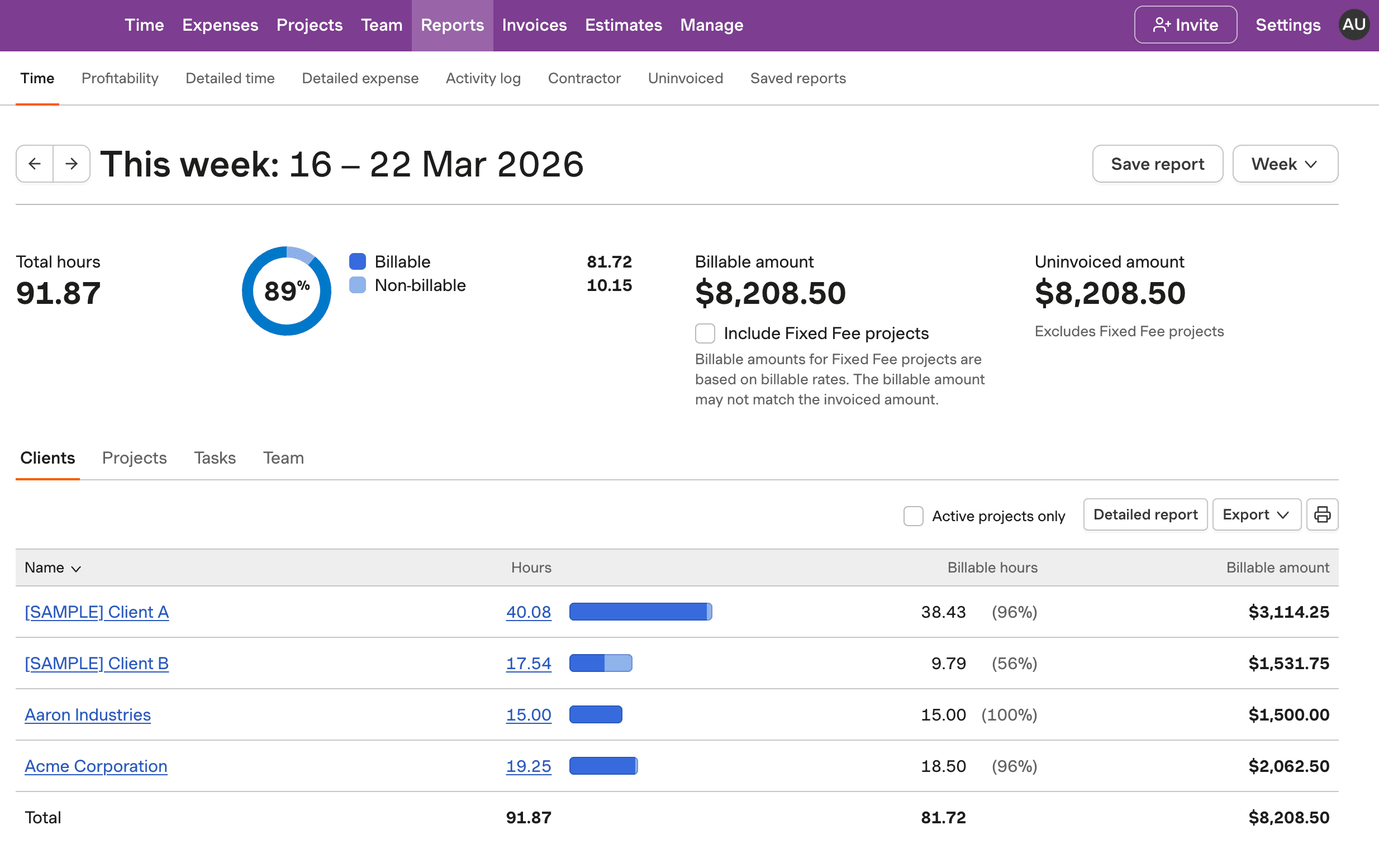
Harvest's Margin Analysis Template

Explore Harvest's Word template for margin analysis, featuring customizable fields and integration options for enhanced financial tracking.

Screenshot of Harvest's margin analysis template in Word.

Margin Analysis Template Word FAQs

  • Margin analysis templates in Word format can often be found on financial and business resource websites. These templates are designed for easy customization and editing, allowing businesses to tailor the document to their specific needs. They typically include fields for revenue, costs, and various expense categories to help in calculating profit margins.

  • A good margin analysis template should include fields for invoice numbers, company and customer details, item descriptions, unit prices, subtotals, taxes, and discounts. These elements ensure comprehensive data capture for accurate margin calculations. Additionally, it should allow for customization to cater to specific industry requirements and business processes.

  • To customize a margin analysis template, consider adding specific fields that reflect your business operations, such as unique product categories or specific cost items. Ensure that the template aligns with industry standards and integrates with any existing invoicing systems to streamline data entry and improve accuracy.

  • Payment terms, such as Net 30 or Net 60, play a crucial role in margin analysis as they directly affect cash flow and liquidity. Shorter payment terms accelerate cash inflows, while longer terms can delay them, potentially impacting profitability and operational liquidity.

  • Taxes, like VAT or GST, significantly affect margin analysis as they impact the cost structure and final selling prices. Accurate tax calculations are essential to maintain profitability. For example, Germany's standard VAT rate is 19%, and India's GST ranges from 5% to 28%, depending on the goods or services.

  • While Harvest excels in time and expense tracking, it can complement margin analysis by providing detailed project reports and budget alerts. These features help businesses align financial performance with strategic objectives and ensure accurate data integration into margin analysis processes.

  • Typical billing cycles include monthly, quarterly, and annual periods. Monthly cycles are most common, helping maintain regular cash flow, while quarterly and annual cycles suit businesses with lower transaction volumes. Billing cycles influence cash flow and financial planning, impacting margin analysis outcomes.