
Harvest
Time Tracking
Sign up free

Overtime Calculator for Small Business Owners

Harvest empowers small business owners by providing an overtime calculator tailored for compliance and budget management, preventing costly payroll errors.

Try Harvest Free

What will your overtime pay be?

Calculate regular and overtime earnings based on your hours and rate. Supports standard time-and-a-half and double-time multipliers.

$
Standard is 40 hours/week (FLSA threshold)
1.5x
1.5x = time and a half (most common). 2x = double time (CA after 12h, holidays).
Some states require 2x pay after 12 hours/day or on 7th consecutive day.
Total gross pay $0
Regular pay $0
Overtime pay (1.5x) $0
Double-time pay (2x) $0
Effective hourly rate $0

Track overtime hours with Harvest

Walk through the entire flow below. Start a timer, check your reports, and create a real invoice — all in three clicks.

Go ahead — start tracking!

One click and you're timing. Try it right here: start a timer, add an entry, edit the details. This is exactly how it feels in Harvest.

  • One-click timer from browser, desktop & mobile
  • Works inside Jira, Asana, Trello, GitHub & 50+ tools
  • Duration or start/end — your call
  • Day, week & calendar views to stay on top of it all
  • Friendly reminders so no hour gets left behind
Acme Corp
Website Redesign
Homepage layout revisions
1:24:09
Content Strategy
Blog calendar planning
1:30:00
SEO Audit
Technical audit report
0:45:00
Brand Guidelines
Color system documentation
2:15:00
Logo Concepts
Initial sketches round 1
1:00:00

Understanding Federal Overtime Laws for Small Businesses

Federal overtime laws, governed by the Fair Labor Standards Act (FLSA), are crucial for small business owners to understand. The FLSA mandates that non-exempt employees must receive at least 1.5 times their regular rate of pay for all hours worked beyond 40 in a workweek. This means if an employee's regular pay is $15 per hour, their overtime rate would be $22.50 per hour. Compliance with these regulations is vital to avoid penalties and ensure fair employee compensation.

A common misconception is that salaried employees are exempt from overtime. However, many salaried workers do not meet the specific salary and duties tests required for exemption. As of 2026, the federal salary threshold for exempt employees is $684 per week, or $35,568 annually. Misclassification of employees can lead to significant fines, highlighting the importance of proper employee classification.
How to Accurately Calculate Overtime for Your Business

Accurate overtime calculation begins with defining a consistent workweek, which the FLSA defines as a fixed, regularly recurring period of 168 hours. Small business owners should implement reliable time tracking systems to ensure all hours worked are recorded correctly. For example, an employee earning $20 per hour who works 45 hours in a week should receive $30 per hour for the 5 hours of overtime.

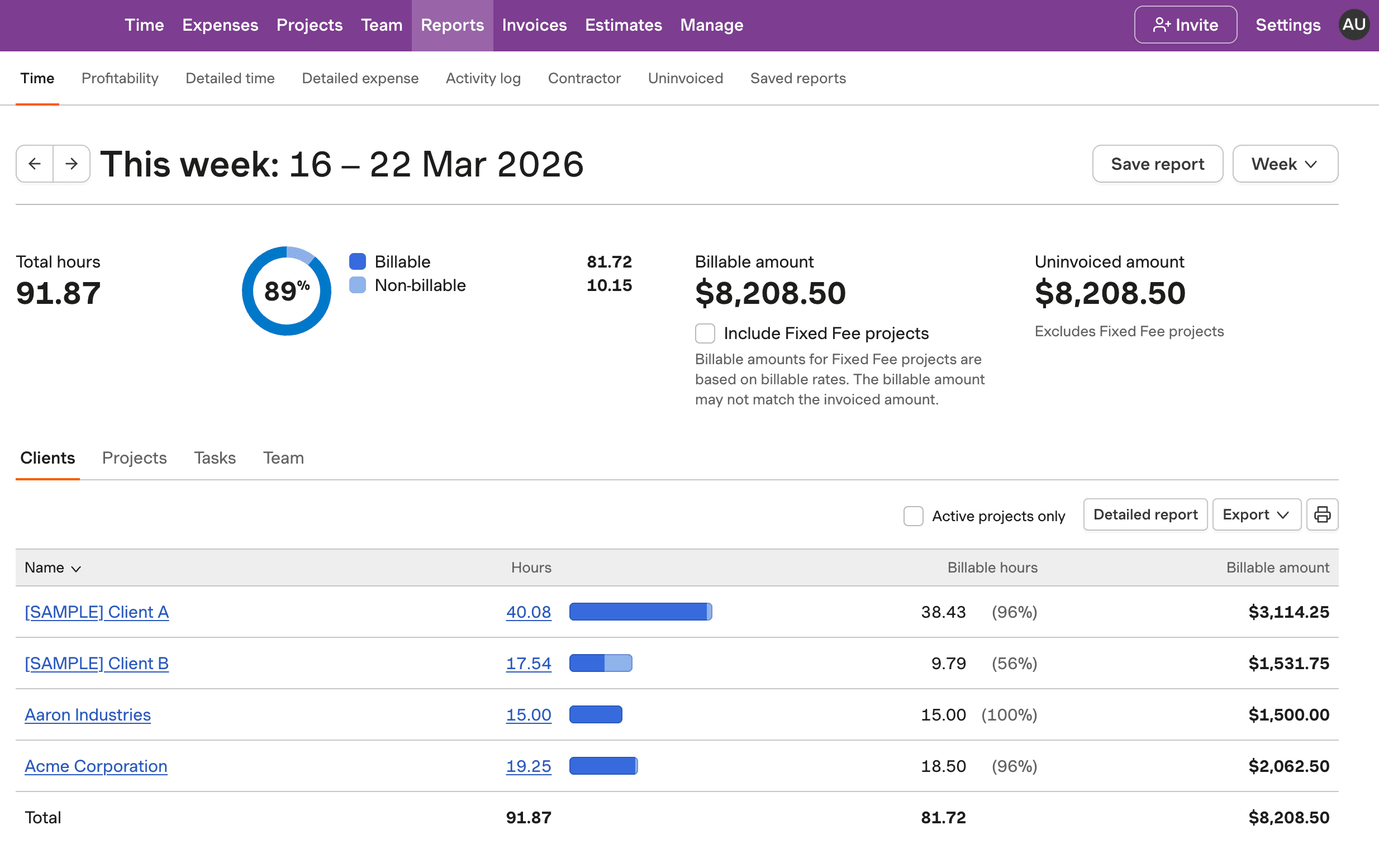
Harvest assists in managing these calculations by allowing business owners to set specific tasks and rates for overtime work. This not only aids in budget management but also ensures compliance with labor laws. Additionally, non-discretionary bonuses and multiple pay rates should be incorporated into the regular rate of pay to avoid errors—80% of timesheets typically contain inaccuracies, which can result in costly compliance issues.

State-Specific Overtime Regulations: What You Need to Know

In addition to federal laws, small business owners must navigate state-specific overtime regulations. For instance, California requires daily overtime pay of 1.5 times the regular rate for hours worked over 8 in a day and double time for hours exceeding 12. This is stricter than the federal standard and highlights the importance of knowing state laws.

Employers must follow the law that provides the highest earnings to the employee when state and federal laws differ. For example, New York mandates overtime pay for hours worked over 40 in a workweek but does not require daily overtime. These variations necessitate a thorough understanding of both federal and state laws to ensure full compliance.

Minimizing Overtime Expenses in Your Small Business

Effectively managing and minimizing overtime expenses is crucial for small business profitability. Research shows that overtime can account for a 15-20% increase in payroll costs if not properly controlled. Implementing an accurate time tracking system, like Harvest, can help businesses monitor overtime closely and adjust workloads accordingly.

Furthermore, setting clear policies about overtime work and ensuring employees are aware of these policies can reduce unauthorized overtime. Employers should also consider flexible work schedules and cross-training employees to handle multiple tasks, which can help distribute workloads evenly and reduce the need for overtime.

Overtime Calculator for Small Business Owners with Harvest

View how Harvest's overtime calculator helps small business owners manage compliance and costs effectively.

Screenshot of Harvest's overtime calculator for small business owners.

Overtime Calculator for Small Business Owners FAQs

  • To calculate overtime pay, multiply the employee's regular hourly rate by 1.5 for any hours worked over 40 in a week. For example, if the regular rate is $15/hour and the employee worked 45 hours, they should receive $22.50/hour for 5 overtime hours.

  • The FLSA requires non-exempt employees to be paid 1.5 times their regular rate for hours worked over 40 in a workweek. The regular rate includes base pay and certain bonuses.

  • Harvest allows small business owners to set specific tasks and rates for overtime work, helping in budget management and ensuring compliance with labor laws.

  • Common mistakes include misclassifying employees as exempt, not including bonuses in the regular rate, and failing to track hours accurately. Harvest can help prevent these errors with precise time tracking.

  • Research both federal and state regulations, as states like California have stricter rules. Always pay the higher rate when state and federal laws differ to ensure compliance.

  • Yes, if they are non-exempt. Salaried employees who do not meet specific exemption criteria must be paid overtime. The federal threshold is $684 per week.

  • States like California and New York have unique overtime regulations. California requires daily overtime pay, while New York follows the federal 40-hour workweek standard.

  • Implementing accurate time tracking, setting clear overtime policies, and considering flexible work schedules can help reduce overtime expenses. Harvest offers tools to monitor and manage these effectively.