
Harvest
Time Tracking
Sign up free

Profit Margin Calculator for Teachers

Teachers often face challenges in managing income from side hustles. Harvest offers a comprehensive solution for tracking billable hours and managing expenses, perfect for educators.

Try Harvest Free

What should you charge per hour?

Most freelancers and consultants dramatically undercharge. This calculator accounts for what most people miss: non-billable time, taxes, and overhead.

$
Accounting for vacation, holidays, sick days
60%
Most freelancers can bill 50-70% of their time. The rest goes to admin, marketing, proposals, and learning.
$
Software, insurance, equipment, accounting, taxes beyond income tax, etc.
Your break-even rate $0
Recommended rate (+20% buffer) $0
Billable hours per week 0h
Equivalent daily rate $0

Start tracking your billable hours

Walk through the entire flow below. Start a timer, check your reports, and create a real invoice — all in three clicks.

Go ahead — start tracking!

One click and you're timing. Try it right here: start a timer, add an entry, edit the details. This is exactly how it feels in Harvest.

  • One-click timer from browser, desktop & mobile
  • Works inside Jira, Asana, Trello, GitHub & 50+ tools
  • Duration or start/end — your call
  • Day, week & calendar views to stay on top of it all
  • Friendly reminders so no hour gets left behind
Acme Corp
Website Redesign
Homepage layout revisions
1:24:09
Content Strategy
Blog calendar planning
1:30:00
SEO Audit
Technical audit report
0:45:00
Brand Guidelines
Color system documentation
2:15:00
Logo Concepts
Initial sketches round 1
1:00:00

Understanding Your Teacher Side Hustle Income: Beyond the Paycheck

Calculating profit margins is a crucial step for teachers engaging in side hustles like selling educational materials or offering tutoring services. A profit margin represents the profit as a percentage of an item's selling price, calculated using the formula: ((Selling Price – Cost Price) / Selling Price) x 100. Understanding this measure helps teachers evaluate the financial viability of their ventures, ensuring sustainable growth.

Teachers exploring these side hustles can expect varying income levels. Light side activities might yield $100 to $300 monthly, while consistent tutoring or steady product sales can generate $300 to $1,000 per month. For those diving deeper, such as creating courses or offering niche services, monthly earnings can reach $1,000 to $3,000. The typical annual average for U.S. teachers from a side hustle is just over $6,000.

Knowing the difference between gross and net profit margins is vital. Gross profit margin considers only the cost of goods sold (COGS), whereas net profit margin also accounts for operating expenses and taxes. For teachers, appreciating these concepts means better financial management and planning.
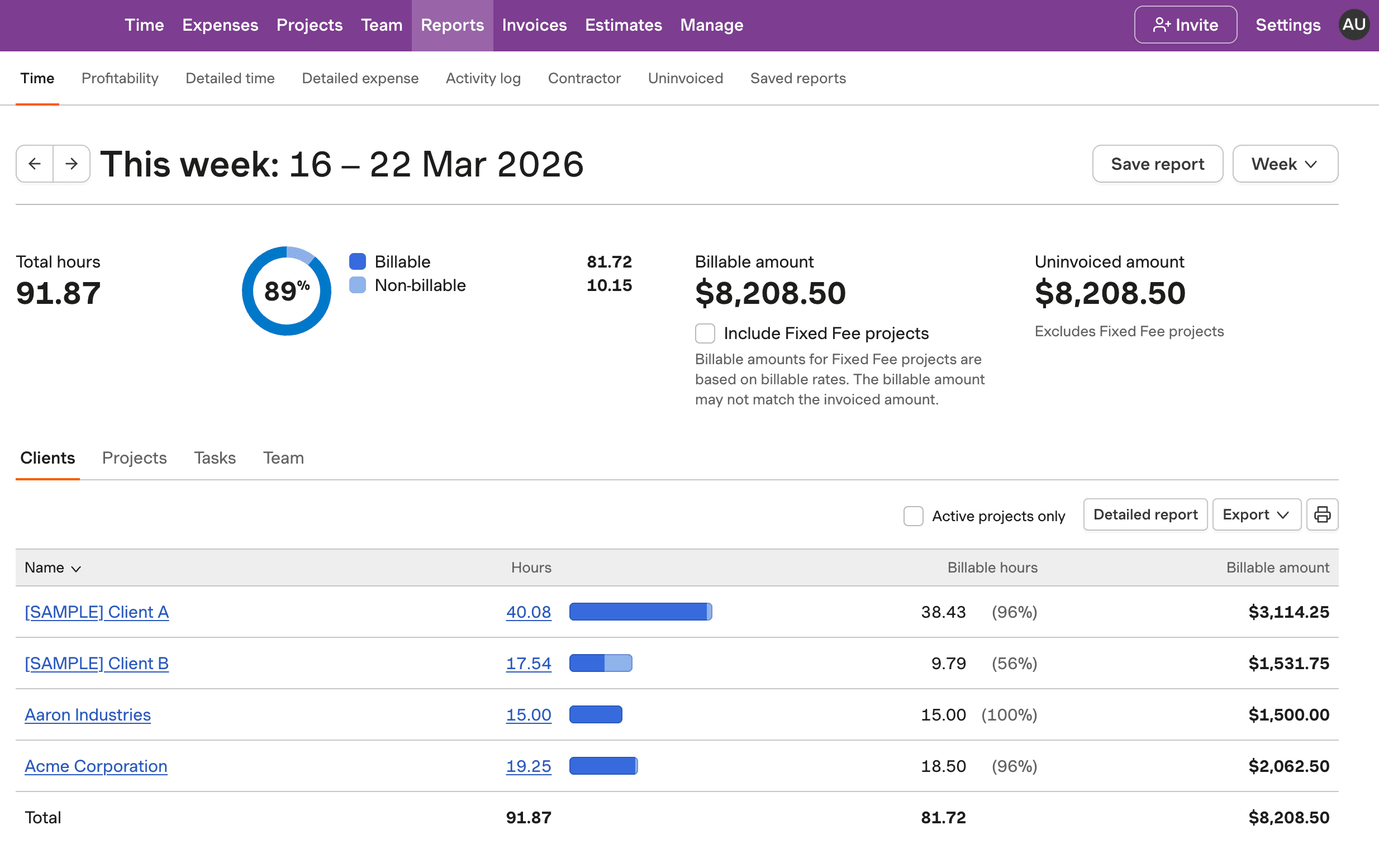
Deconstructing Your Costs: What Goes Into Your Educational Products and Services?

To accurately calculate profit margins, teachers must understand the costs involved in their educational products and services. Direct costs, or Cost of Goods Sold (COGS), include the time spent creating resources, platform fees, and hosting costs. These are essential for determining gross profit margin.

Operating expenses, which are often overlooked, include software subscriptions, marketing efforts, and internet costs. These indirect costs are crucial for calculating net profit margin and understanding the true profitability of a venture.

Teachers should meticulously track all expenses related to their side gigs. Tools like Harvest can simplify this process by offering expense tracking with receipt capture, helping educators manage costs associated with student projects and classroom activities. This holistic view enables teachers to spot trends and make informed financial decisions.

Strategic Pricing for Profit: Maximizing Value and Earnings

When setting prices for educational resources, teachers should consider several factors beyond just page count. Market research is essential: analyzing similar resources on platforms like Teachers Pay Teachers helps set competitive prices without solely relying on competitors. It's also important to assess the perceived value, focusing on the resource's quality and unique features.

Teachers should factor in the time and effort invested in creating their resources. Experimenting with pricing and adjusting based on buyer feedback and conversion rates is recommended. Offering bundles is a strategic way to increase sales while providing discounts per resource.

For digital products, a healthy profit margin in education can vary. The general education industry averages a 9.59% margin, while training businesses aim for 5-10%. Understanding these benchmarks helps teachers set realistic goals and strategies for maximizing earnings.

Managing Financial Planning and Tax Obligations for Teacher Side Hustles

Financial planning and understanding tax obligations are critical for teachers with side hustles. All side income is taxable, and if net income exceeds $400, it must be reported to the IRS. Teachers should set aside about 15.3% of their earnings for self-employment taxes.

Creating a budget to track income and expenses is vital, especially given the seasonal fluctuations in teaching incomes. Using tools like Harvest can help track income from tutoring or extracurricular activities, ensuring every payment and expense is recorded accurately. If taxes owed are expected to exceed $1,000, quarterly estimated payments can prevent penalties.

Consulting a tax professional is advisable for teachers unsure about managing their tax situations. Understanding these financial aspects ensures that teachers can focus on growing their side hustles without unexpected financial burdens.

Calculate Profit Margins with Harvest

Explore Harvest's tools to calculate and optimize profit margins for teachers, helping track income and manage expenses efficiently.

Harvest profit margin calculator tailored for teachers

Profit Margin Calculator for Teachers FAQs

  • Teachers can deduct expenses directly related to their side hustle, such as materials, platform fees, and marketing costs. Keeping detailed records is crucial for accurate deductions.

  • To calculate profit margin, subtract your total costs from revenue, then divide by revenue and multiply by 100. This gives you the profit margin percentage, indicating profitability.

  • A good profit margin for educational materials can vary, but the education industry generally averages a 9.59% margin. Adjust your goals based on product and market specifics.

  • Harvest enables teachers to track billable hours and income from tutoring sessions, offering a clear overview of earnings and helping manage finances effectively.

  • All side hustle income is taxable. Teachers must report net income over $400 and pay self-employment taxes. Setting aside 15.3% of earnings can help cover these obligations.

  • Harvest tracks expenses with receipt capture, making it easy for teachers to manage costs associated with student projects and classroom activities.

  • Calculating profit margins helps teachers understand the profitability of their side hustles, enabling them to make informed financial decisions and ensure sustainable growth.