
Harvest
Time Tracking
Sign up free

Profit Margin Calculator in Vietnam

Navigating Vietnam's complex tax landscape is crucial for maximizing profit margins. Harvest helps businesses streamline operations, making it easier to focus on profitability.

Try Harvest Free

Will this project be profitable?

Estimate your project cost, set the right price, and know exactly how many hours your team can spend before margin disappears.

Total hours across all team members
$
Average rate across all roles on the project
15%
Scope creep is real. Most projects need 10-25% buffer to stay profitable.
Recommended project price $0
Base cost (before buffer) $0
Hours per person per week 0h
Weekly burn rate $0
Max hours before loss 0h

Track project hours with Harvest

Walk through the entire flow below. Start a timer, check your reports, and create a real invoice — all in three clicks.

Go ahead — start tracking!

One click and you're timing. Try it right here: start a timer, add an entry, edit the details. This is exactly how it feels in Harvest.

  • One-click timer from browser, desktop & mobile
  • Works inside Jira, Asana, Trello, GitHub & 50+ tools
  • Duration or start/end — your call
  • Day, week & calendar views to stay on top of it all
  • Friendly reminders so no hour gets left behind
Acme Corp
Website Redesign
Homepage layout revisions
1:24:09
Content Strategy
Blog calendar planning
1:30:00
SEO Audit
Technical audit report
0:45:00
Brand Guidelines
Color system documentation
2:15:00
Logo Concepts
Initial sketches round 1
1:00:00

Understanding Profit Margins in Vietnam

Profit margins are a crucial metric for evaluating a business's financial health, especially in Vietnam's dynamic economic environment. The profit margin indicates how much profit a company makes for every unit of currency of sales, and it can be broken down into gross, operating, and net profit margins. Each margin type provides insights into different aspects of the business's profitability, from production efficiency to overall financial management.

To calculate profit margins in Vietnam, businesses must consider the standard corporate income tax (CIT) rate of 20% on assessable income, with preferential rates available for specific industries and projects. For example, high-tech industries and renewable energy projects can benefit from a 10% CIT rate for 15 years, while enterprises in industrial zones might qualify for a 17% rate for 10 years. These variations can significantly impact the net profit margin, which is calculated by dividing net profit by total revenue and multiplying by 100 to get a percentage.

Understanding these tax implications is essential, as they directly affect how profit margins are calculated and interpreted. This knowledge enables businesses to strategize effectively, optimizing operations to enhance profitability in the Vietnamese market.
Navigating Corporate Income Tax Regulations

Corporate income tax (CIT) is a significant factor in calculating profit margins for businesses in Vietnam. The standard CIT rate is 20%, applicable to both local and foreign enterprises. However, Vietnam offers preferential CIT rates to encourage investment in specific sectors such as high-tech industries and renewable energy, where rates can be as low as 10% for up to 15 years. This can create substantial savings and affect overall profitability.

The recent enactment of Law No. 67/2025/QH15 introduces changes that impact foreign enterprises, including the classification of e-commerce and digital businesses as permanent establishments. It also expands tax-exempt categories, which can affect taxable income calculations. For instance, income from innovation activities and research funds may be exempt, reducing the taxable base.

Businesses must navigate these complex regulations to optimize their tax positions. By understanding the various tax incentives and regulations, companies can more accurately project their profit margins and identify areas for potential financial improvement.

Impact of Economic Factors on Profit Margins

Economic factors, including currency fluctuations and sector-specific dynamics, play a significant role in determining profit margins in Vietnam. The Vietnamese Dong's exchange rate can impact import costs and pricing strategies, affecting the gross profit margin. For businesses dealing with international suppliers or clients, managing these fluctuations is crucial to maintaining stable profit margins.

Industry-specific considerations are also vital. For example, the manufacturing sector, which contributes 24-25% of Vietnam's national output, faces unique challenges such as fluctuating raw material costs and varying demand. Meanwhile, the banking sector's profitability is influenced by factors like loan performance and GDP growth, with a reported 17.5% profit growth in Q2/2025.

Understanding these economic variables allows businesses to adapt their strategies and maintain competitive profit margins. By monitoring these factors, companies can implement proactive measures to safeguard their profitability in a volatile economic landscape.

Best Practices for Improving Profit Margins

Improving profit margins in Vietnam requires a strategic approach that addresses both internal efficiencies and external market conditions. One effective method is optimizing cost structures by reducing unnecessary expenses and negotiating better terms with suppliers. This directly enhances the gross profit margin by lowering the cost of goods sold (COGS).

Another critical practice is leveraging tax incentives and understanding regulatory changes, such as the new CIT law, to minimize tax liabilities. Businesses should also focus on enhancing revenue streams by diversifying product offerings and expanding into high-growth sectors like renewable energy, which benefit from preferential tax rates.

Regularly reviewing financial performance and adjusting business strategies in response to economic changes can further protect and improve profit margins. By implementing these best practices, businesses can achieve sustainable growth and profitability in the Vietnamese market.

Profit Margin Calculator with Harvest

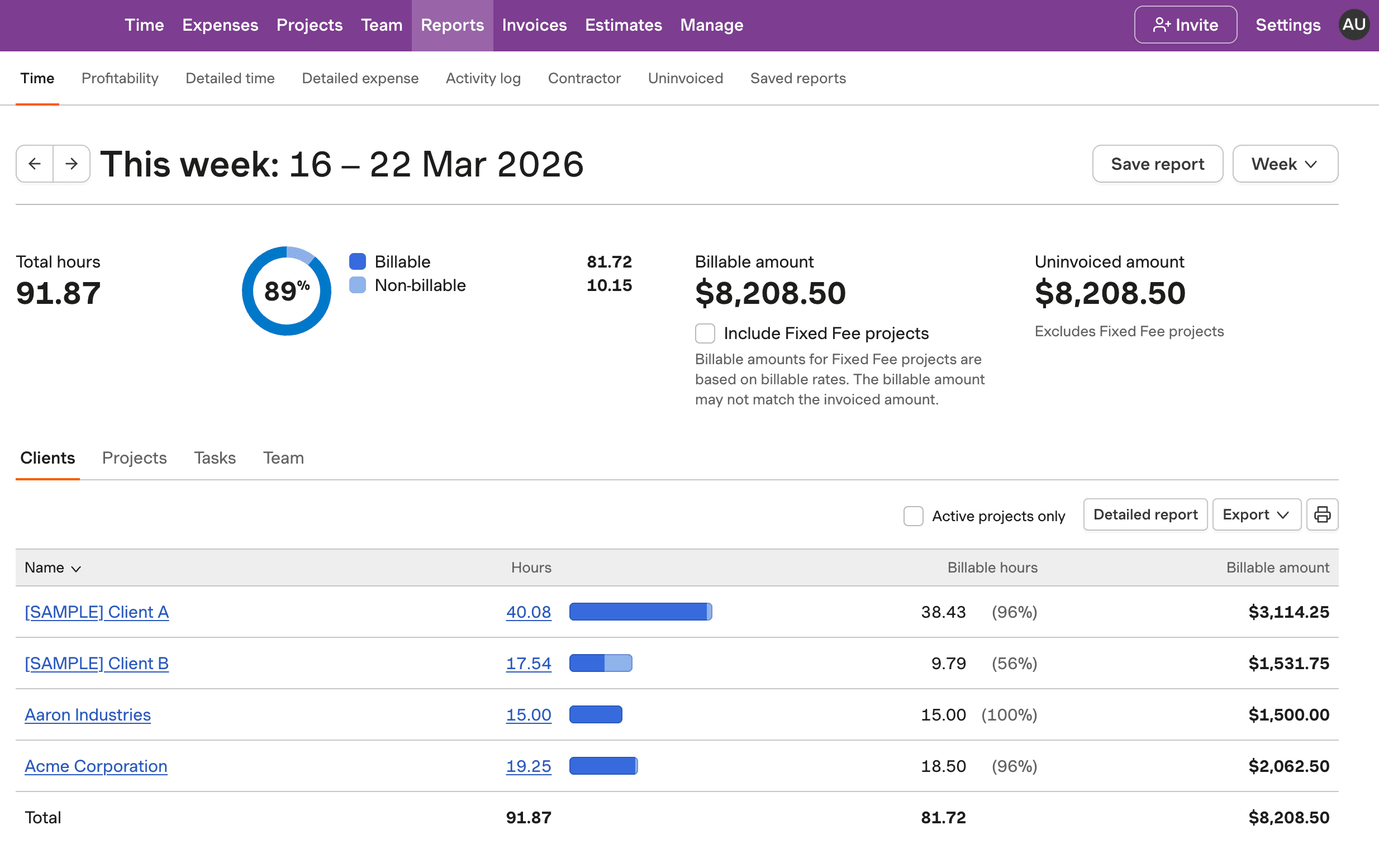
Explore how Harvest assists businesses in Vietnam with profit margin calculations, considering local tax regulations and economic factors.

Harvest tool interface for profit margin calculation in Vietnam

Profit Margin Calculator in Vietnam FAQs

  • A profit margin calculator helps businesses determine the percentage of profit relative to sales. It calculates gross, operating, and net profit margins, offering insights into financial health.

  • To calculate profit margins in Vietnam, consider the corporate income tax rates, which are generally 20%, but can be lower for certain sectors. Deduct expenses from revenue and apply the relevant tax rate to determine net profit margin.

  • In Vietnam, deductible expenses include those incurred in business operations, substantiated by invoices. Non-deductible costs include excessive interest and unsubstantiated payments.

  • Yes, Vietnam's tax laws, such as preferential CIT rates for certain sectors, directly affect profit margins. Understanding these regulations helps businesses optimize profitability.

  • Currency fluctuations can affect import costs and pricing strategies, impacting the gross profit margin. Businesses must manage these fluctuations to maintain stable margins.

  • Industries such as high-tech, renewable energy, and education benefit from lower CIT rates of 10% to 17%, which can significantly improve profit margins.

  • While Harvest excels in time tracking and invoicing, it aids businesses by streamlining operations, allowing focus on areas like profit margin optimization.

  • The new CIT law, effective 2025, introduces changes for foreign enterprises and expands tax-exempt categories, affecting profit margin calculations.