
Harvest
Time Tracking
Sign up free

Time Card Calculator in India

Managing employee work hours and payroll in India can be complex. Harvest offers robust time tracking features to ensure compliance and accuracy.

Try Harvest Free

How many hours did you work this week?

Enter your clock-in and clock-out times for each day. The calculator handles breaks, overtime, and weekly totals automatically.

Day Clock In Clock Out Break Hours
Total hours this week 0h
Regular hours (≤40) 0h
Overtime hours 0h
Average hours/day 0h
Total break time 0h

Track time automatically with Harvest

Walk through the entire flow below. Start a timer, check your reports, and create a real invoice — all in three clicks.

Go ahead — start tracking!

One click and you're timing. Try it right here: start a timer, add an entry, edit the details. This is exactly how it feels in Harvest.

  • One-click timer from browser, desktop & mobile
  • Works inside Jira, Asana, Trello, GitHub & 50+ tools
  • Duration or start/end — your call
  • Day, week & calendar views to stay on top of it all
  • Friendly reminders so no hour gets left behind
Acme Corp
Website Redesign
Homepage layout revisions
1:24:09
Content Strategy
Blog calendar planning
1:30:00
SEO Audit
Technical audit report
0:45:00
Brand Guidelines
Color system documentation
2:15:00
Logo Concepts
Initial sketches round 1
1:00:00

Understanding Indian Labor Laws for Time Tracking

Understanding the intricacies of Indian labor laws is vital for businesses looking to implement effective time tracking solutions. According to the Factories Act, 1948, and the Occupational Safety, Health, and Working Conditions (OSH) Code, 2020, the standard working hours are capped at 9 hours a day and 48 hours a week. However, these can extend up to 12 hours daily in some cases, but the weekly limit remains 48 hours. Overstepping these limits without proper compensation can lead to significant penalties, including fines up to ₹1,00,000 or imprisonment.

Employers must also adhere to overtime regulations that require compensation at twice the ordinary wage rate for any work beyond standard hours. This "double pay" rule is consistent across sectors, ensuring fair compensation. In addition, accurate time records are mandatory, as failure to maintain them can lead to fines up to ₹10,000. By comprehensively understanding these regulations, businesses can ensure compliance and avoid legal repercussions.
Calculating Overtime and Breaks with Precision

Calculating overtime and managing breaks effectively is critical for compliance with Indian labor laws and ensuring fair employee compensation. The Factories Act, 1948, mandates that any work beyond 9 hours a day or 48 hours a week qualifies as overtime, requiring double pay. Additionally, employees are entitled to a minimum 30-minute rest after every 5 hours of work, although some states like Maharashtra have extended this to 6 hours.

To achieve precise calculations, businesses should utilize automated systems like time card calculators. These tools help accurately track work hours, breaks, and overtime, minimizing errors and streamlining payroll processes. By leveraging technology, companies can ensure they meet legal requirements and maintain fair compensation practices.

Best Practices for Time Card Management

Implementing best practices in time card management is essential for compliance and operational efficiency. Firstly, establishing clear policies on working hours, break times, and overtime can prevent misunderstandings and ensure all employees are aware of their rights and responsibilities. Regular training on time management and the use of tracking tools can further enhance compliance.

Automating time tracking through software or mobile applications can significantly reduce manual errors and streamline payroll calculations. Regular audits and monitoring of records are crucial to identify discrepancies early and ensure accuracy. By fostering a culture of trust and transparency, businesses can encourage honest reporting and maintain compliance with Indian labor laws.

State-Specific Considerations in Time Card Management

State-specific labor laws can significantly impact time card management practices in India. While the Factories Act, 1948, provides a general framework, the Shops and Establishments Acts vary by state, affecting working hours, holidays, and overtime rules. For example, states like Telangana and Maharashtra have increased the maximum overtime limit to 144 hours per quarter, whereas others maintain a 125-hour limit.

In the IT sector, states like Andhra Pradesh offer overtime exemptions, but the standard weekly limits still apply. Businesses operating across multiple states must be particularly vigilant about these differences to ensure compliance. By understanding and adapting to these regional variations, companies can optimize their time card management and avoid potential legal issues.

Time Card Calculator in Harvest

Explore Harvest's time card calculator to manage work hours in India accurately and efficiently, ensuring compliance with labor laws.

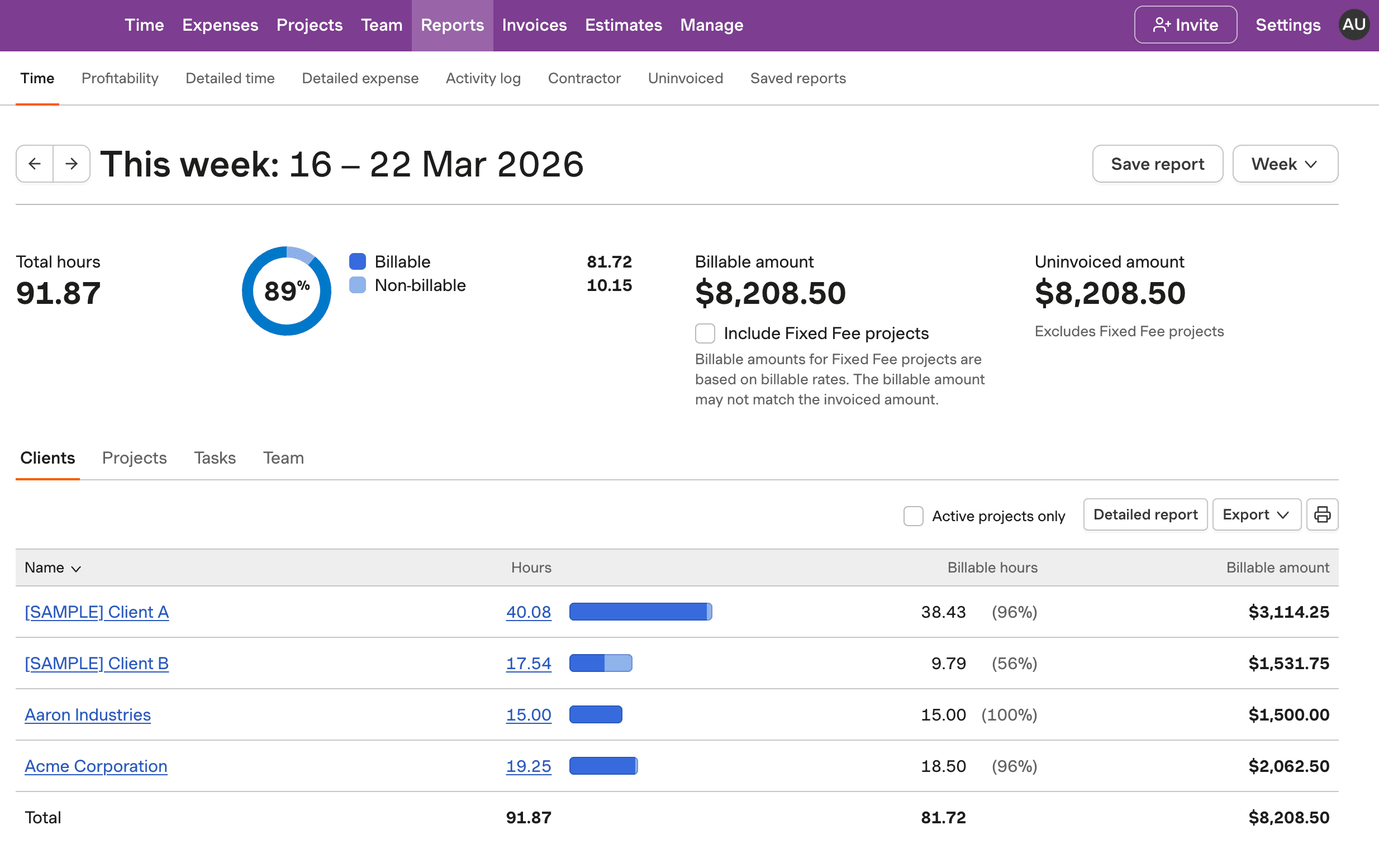
Time card calculator interface in Harvest for India

Time Card Calculator in India FAQs

  • Overtime pay in India is calculated at twice the ordinary rate of wages for work beyond 9 hours a day or 48 hours a week. This "double pay" rule ensures fair compensation across sectors.

  • The standard working hours in India are typically 9 hours a day and 48 hours a week, as outlined by the Factories Act, 1948, and the OSH Code, 2020. Some jobs allow extensions up to 12 hours a day with a weekly cap of 48 hours.

  • Indian labor laws mandate a minimum rest period of 30 minutes after every 5 hours of continuous work, according to the Factories Act, 1948. Some states, like Maharashtra, extend this to 6 hours.

  • Time card calculators help ensure compliance by accurately tracking work hours, breaks, and overtime, thereby reducing errors and streamlining payroll processes. They facilitate adherence to labor regulations.

  • Employers must maintain accurate records of employee attendance, hours worked, rest intervals, overtime, and wages paid, as required by Indian labor laws. These records are crucial for legal compliance.

  • Harvest provides detailed time tracking and reporting features, helping maintain accurate records crucial for compliance with Indian labor laws. Its integration capabilities enhance operational efficiency.

  • Penalties for non-compliance with labor laws in India include fines up to ₹1,00,000 and imprisonment for up to two years for violations related to overtime wage payments. Accurate record-keeping is essential to avoid these penalties.