
Harvest
Time Tracking
Sign up free

Utilization Rate Calculator in Italy

Harvest offers a comprehensive utilization rate calculator, tailored for teams in Italy, helping optimize productivity within local labor regulations.

Try Harvest Free

How much revenue is your team leaving on the table?

Most agencies run at 55-60% utilization. Even a small improvement means significant revenue. See what closing the gap looks like for your team.

Number of people who track billable time
$
Blended rate across roles (junior, senior, lead)
55%
Percentage of total hours that are billable. Industry average is 55-60%.
75%
A realistic target for service businesses is 70-80%.
Monthly revenue gap $0
Revenue at current utilization $0/mo
Revenue at target utilization $0/mo
Extra billable hours needed per person/day 0h
Annual revenue opportunity $0

Start tracking team utilization

Walk through the entire flow below. Start a timer, check your reports, and create a real invoice — all in three clicks.

Go ahead — start tracking!

One click and you're timing. Try it right here: start a timer, add an entry, edit the details. This is exactly how it feels in Harvest.

  • One-click timer from browser, desktop & mobile
  • Works inside Jira, Asana, Trello, GitHub & 50+ tools
  • Duration or start/end — your call
  • Day, week & calendar views to stay on top of it all
  • Friendly reminders so no hour gets left behind
Acme Corp
Website Redesign
Homepage layout revisions
1:24:09
Content Strategy
Blog calendar planning
1:30:00
SEO Audit
Technical audit report
0:45:00
Brand Guidelines
Color system documentation
2:15:00
Logo Concepts
Initial sketches round 1
1:00:00

Understanding Utilization Rates in Italy

Utilization rates in Italy reflect how effectively a business or team uses its available resources. In the manufacturing sector, for instance, Italy recorded a capacity utilization rate of 74.90% in December 2025, slightly down from the previous quarter. This figure is part of a historical average that has hovered around 75.18% since 1980. Such data highlights the fluctuations and challenges businesses face in maintaining optimal productivity levels.

For teams and businesses operating in Italy, understanding these rates is essential, especially when considering factors like the country's labor force participation rate, which hit a high of 67.30% in October 2023. The utilization rate not only measures current performance but also informs strategic planning and resource allocation, aligning with Italy's regulatory environment where maximum working hours are capped at 48 per week, averaged over several months.
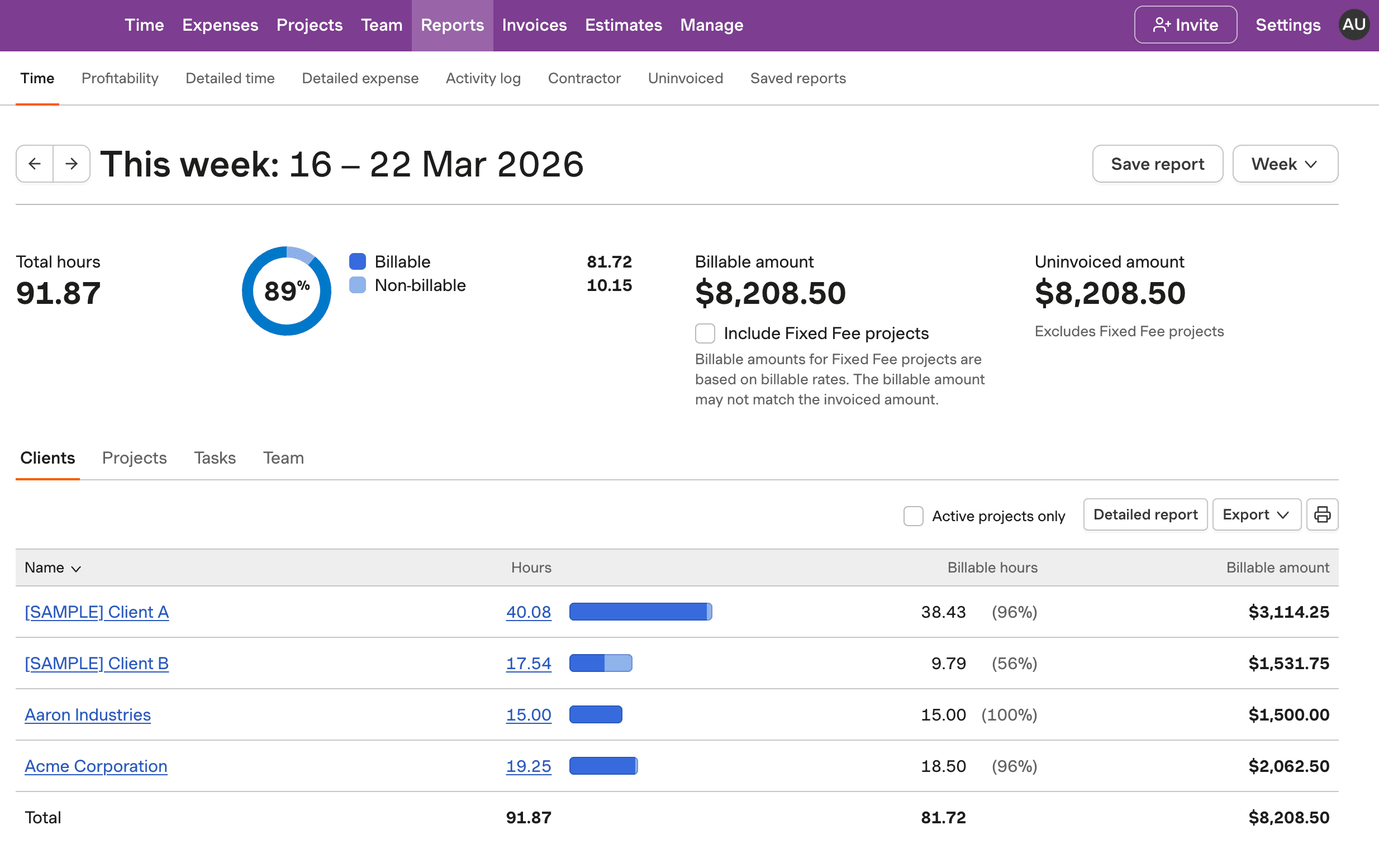
Calculating Utilization Rates for Italian Teams

Calculating utilization rates involves assessing the percentage of time spent on productive work. In Italy, this calculation must consider local labor laws and economic factors. For example, the standard working week is 40 hours, and overtime is restricted to 250 hours annually. These constraints necessitate precise management of working hours to avoid legal issues and maximize productivity.

To calculate a team's utilization rate, divide the total billable hours by the total available hours. For instance, if a team works 160 hours in a month with 120 of those being billable, the utilization rate would be 75%. This metric is crucial for optimizing productivity and profitability, especially in competitive sectors like machine tools and automation, where utilization decreased from 86.2% in 2023 to 77.3% in 2024.

Impact of Economic Conditions on Utilization Rates

Economic conditions in Italy significantly impact utilization rates. The country's labor force participation rate, which averaged 63.89% from 2004 to 2026, influences how businesses plan and execute their workforce strategies. High utilization rates, such as the 86.2% seen in the Italian machine tool industry in 2023, often correlate with strong economic performance and demand.

Conversely, during economic downturns, businesses might experience reduced demand, leading to lower utilization rates. For instance, the manufacturing sector's capacity utilization dipped to 63.60% during the third quarter of 2020, reflecting the broader economic challenges of that period. Monitoring these trends helps businesses adjust their strategies to maintain optimal utilization levels, ensuring competitiveness and sustainability in the Italian market.

Industry-Specific Utilization Benchmarks in Italy

Different industries in Italy have unique utilization benchmarks. For example, the tourism sector, a significant contributor to the economy, accounted for €215 billion or 10.5% of the total economic output in 2023. Such industries often require high utilization rates to maximize profitability and support economic growth.

In contrast, the circular economy in Italy had a utilization rate of 20.8% in 2023, significantly higher than the EU average of 11.8%. These benchmarks illustrate how sector-specific dynamics influence utilization rates. Companies must tailor their strategies to meet these benchmarks, ensuring resource allocation aligns with industry standards and enhances operational efficiency.

Utilization Rate Calculator by Harvest

Discover how Harvest's calculator helps Italian teams optimize utilization rates, considering local labor laws and economic conditions.

Harvest's utilization rate calculator tailored for Italian teams

Utilization Rate Calculator in Italy FAQs

  • A utilization rate measures the percentage of available time that is used for productive work. It's a key performance indicator for teams and businesses to assess efficiency and resource allocation.

  • To calculate a team's utilization rate, divide the total billable hours by the total available hours. For example, if a team works 160 hours in a month and 120 are billable, the utilization rate is 75%.

  • Utilization rates in Italy are influenced by economic conditions, industry demands, and labor regulations. For instance, the manufacturing sector's utilization rate fluctuates with economic cycles and demand levels.

  • Italy's labor laws stipulate a 40-hour standard workweek, with a maximum of 48 hours including overtime, averaged over several months. Overtime is limited to 250 hours per year.

  • Harvest provides detailed tracking of billable and non-billable hours, crucial for optimizing project profitability and managing employee utilization effectively in any market.

  • Industries like tourism and manufacturing have distinct benchmarks. For example, the tourism sector contributed €215 billion in 2023, while the machine tool sector saw utilization dip to 77.3% in 2024.

  • Economic performance directly affects utilization rates. During downturns, like the 63.60% manufacturing utilization in 2020, businesses may struggle to maintain high rates, impacting productivity and profitability.