
Harvest
Time Tracking
Sign up free

Utilization Rate Calculator in Bangladesh

Facing complex tax regulations and resource management challenges, businesses in Bangladesh can optimize utilization rates with Harvest, a tool tailored for precise tracking and compliance.

Try Harvest Free

How much revenue is your team leaving on the table?

Most agencies run at 55-60% utilization. Even a small improvement means significant revenue. See what closing the gap looks like for your team.

Number of people who track billable time
$
Blended rate across roles (junior, senior, lead)
55%
Percentage of total hours that are billable. Industry average is 55-60%.
75%
A realistic target for service businesses is 70-80%.
Monthly revenue gap $0
Revenue at current utilization $0/mo
Revenue at target utilization $0/mo
Extra billable hours needed per person/day 0h
Annual revenue opportunity $0

Start tracking team utilization

Walk through the entire flow below. Start a timer, check your reports, and create a real invoice — all in three clicks.

Go ahead — start tracking!

One click and you're timing. Try it right here: start a timer, add an entry, edit the details. This is exactly how it feels in Harvest.

  • One-click timer from browser, desktop & mobile
  • Works inside Jira, Asana, Trello, GitHub & 50+ tools
  • Duration or start/end — your call
  • Day, week & calendar views to stay on top of it all
  • Friendly reminders so no hour gets left behind
Acme Corp
Website Redesign
Homepage layout revisions
1:24:09
Content Strategy
Blog calendar planning
1:30:00
SEO Audit
Technical audit report
0:45:00
Brand Guidelines
Color system documentation
2:15:00
Logo Concepts
Initial sketches round 1
1:00:00

Understanding Utilization Rate and Its Importance

The utilization rate is a critical metric for assessing how effectively a business uses its resources, particularly in service industries. It measures the percentage of total available hours that are spent on productive, billable work. In Bangladesh, where service sectors like IT and finance are growing rapidly, understanding and optimizing utilization rates can significantly impact profitability and efficiency. For instance, a 10% increase in utilization rate can result in a 15-20% increase in revenue for service-oriented businesses. By effectively measuring this rate, companies ensure they are not only covering operational costs but also maximizing their workforce's potential.

Calculating utilization involves dividing the number of billable hours by the total available hours, then multiplying by 100 to get a percentage. This metric, however, goes beyond simple calculations. It requires understanding the dynamics of local industries and the specific tax implications in Bangladesh, such as the 15% VAT standard rate and varying corporate tax rates from 15% for certain garment sectors to 42.5% for non-listed financial institutions. Businesses must navigate these complexities while striving for optimal utilization.
Challenges in Calculating Utilization in Bangladesh

Calculating utilization rates in Bangladesh comes with unique challenges, particularly due to the diverse tax regulations and business practices. Companies must adhere to the VAT and Supplementary Duty Act 2012, ensuring all activities are documented with proper invoices, such as the Mushak-6.3 format, which must include the supplier’s tax identification and buyer's details. The shift towards e-invoicing further complicates manual tracking, as businesses are expected to integrate with the National Board of Revenue's digital systems.

Additionally, industry-specific tax rates, such as the 27.5% corporate tax for non-listed companies and the 22.5% for listed ones, affect how businesses approach cost accounting and resource allocation. The complexity of these regulations highlights the need for an accurate utilization rate calculator that not only computes the basic metrics but also factors in local taxation and billing cycles. Harvest can assist businesses in aligning these calculations with their strategic goals, ensuring compliance and optimal resource use.

How Harvest Enhances Utilization Tracking

Harvest provides a robust solution for tracking utilization rates, especially useful for teams operating in Bangladesh. With one-click start/stop timers and manual time entry options, Harvest allows precise tracking of both billable and non-billable hours. This is crucial for service sectors where understanding the distribution of work can lead to better resource management and increased profitability. For instance, by tracking time accurately, businesses can reduce the 15-20% revenue loss often associated with poor utilization.

Moreover, Harvest’s integration capabilities with tools like Asana and Slack streamline workflows, ensuring time tracking aligns with project management systems. This integration helps overcome common challenges such as data inaccuracies, which affect 80% of timesheets, and enhances team accountability. By using Harvest, businesses in Bangladesh can gain real-time insights into their utilization rates, enabling informed decision-making and strategic planning.

Interpreting and Applying Utilization Data

Interpreting utilization data effectively can transform how businesses in Bangladesh approach performance management. A high utilization rate indicates optimal resource use, but it's crucial to balance it with employee well-being to prevent burnout. Harvest’s detailed reports provide insights into team utilization, helping managers identify patterns and adjust workloads accordingly. For instance, if a team consistently operates above a 90% utilization rate, it may indicate the need for additional resources or process improvements.

Understanding these dynamics helps businesses maintain a competitive edge. By leveraging Harvest’s data, companies can align their operational strategies with market demands, ensuring compliance with local regulations. In a growing market like Bangladesh, where industries face constant change, using a tool like Harvest for utilization tracking not only improves efficiency but also drives sustainable growth.

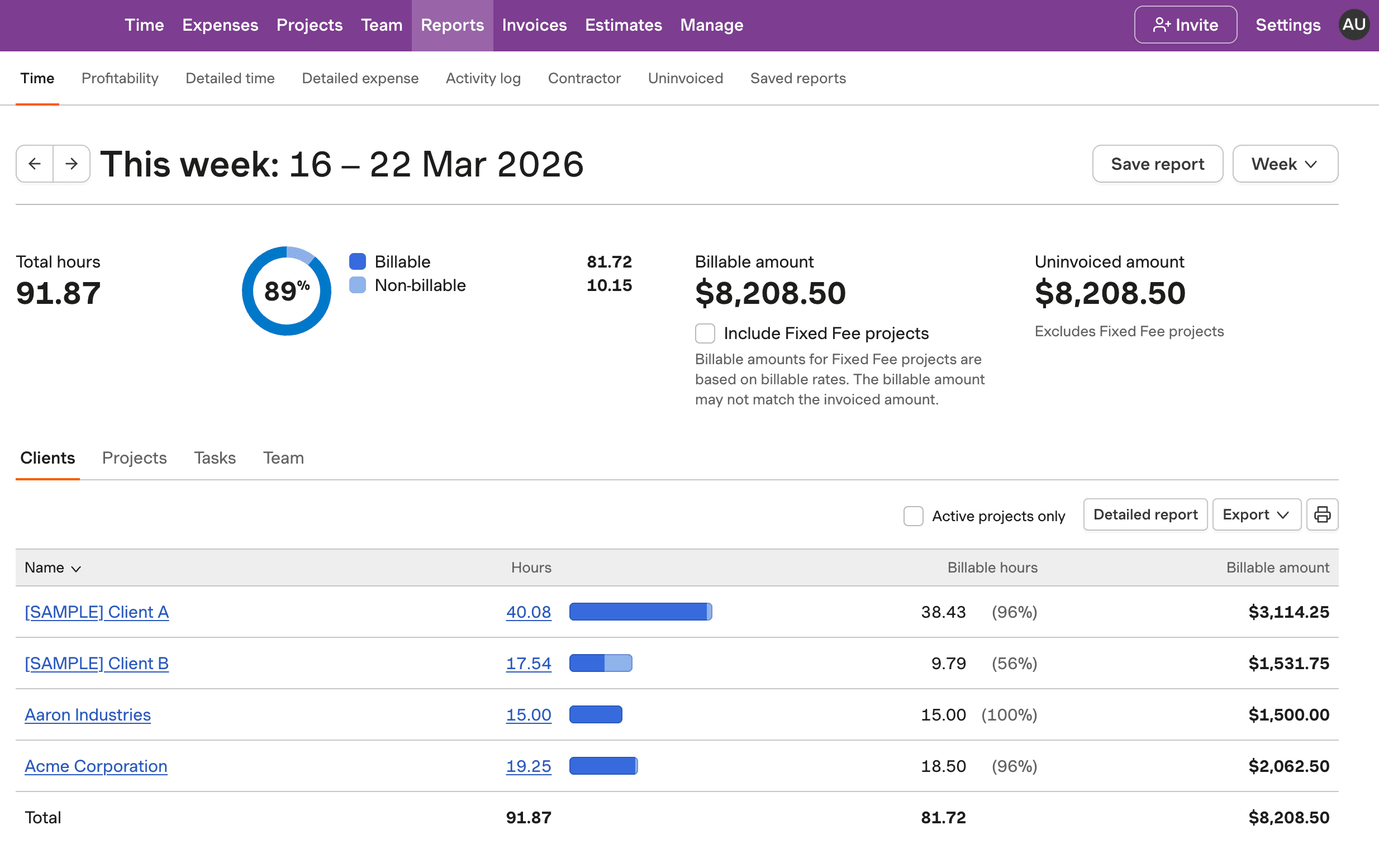
Utilization Rate Tracking with Harvest

See how Harvest tracks utilization rates for Bangladeshi teams, enhancing resource management and compliance.

Harvest utilization rate calculator for Bangladesh teams

Utilization Rate Calculator in Bangladesh FAQs

  • A utilization rate measures the percentage of total working hours that are spent on billable tasks. It's a critical metric for service industries, indicating how effectively resources are used. In Bangladesh, optimizing this rate can significantly impact profitability, especially in sectors like IT and finance.

  • Utilization rate is calculated by dividing the number of billable hours by the total available working hours, then multiplying by 100. For example, if a team works 180 billable hours out of 200 total hours, the utilization rate is 90%.

  • In Bangladesh, where service industries are expanding, the utilization rate helps businesses maximize profitability by ensuring resources are allocated efficiently. A 10% increase in utilization can lead to a 15-20% revenue boost.

  • Factors include industry-specific tax regulations, workforce management practices, and local market demands. For instance, the 15% VAT rate and varying corporate taxes influence cost structures, affecting how businesses calculate and interpret utilization rates.

  • Yes, Harvest offers tools to track and optimize utilization rates. With features like detailed reporting and integration with project management tools, it helps Bangladeshi businesses manage resources effectively.

  • Harvest provides insights into time tracking and utilization, helping businesses allocate resources efficiently. Its integration with tools like Asana and Slack ensures seamless workflow management, reducing time tracking errors.

  • Yes, Harvest supports compliance by tracking billable hours and aligning with local regulations. Its detailed reports aid in accurate invoicing and tax filing, essential for adhering to Bangladeshi laws.