
Harvest
Expenses
Sign up

Cloud Services Expense Tracker

Harvest is perfect for small-to-medium businesses needing a project-based expense tracker, integrating time tracking and client invoicing, rather than complex cloud cost management.

  • Attach receipts to projects & tasks
  • Turn tracked expenses into client invoices
  • Free 30-day trial, no credit card needed

or drag & drop • Images and PDFs, max 10 MB

Overcoming Cloud Cost Challenges with Strategic Expense Tracking

Managing cloud service expenses effectively is a significant challenge for many organizations, with an average of 30% of cloud spending wasted on overprovisioned or idle resources. This inefficiency can result in substantial financial losses, particularly when global cloud service expenditures are expected to reach $678.8 billion by 2024. The key to overcoming these challenges lies in implementing structured cloud cost optimization programs. Organizations that do so can reduce their cloud spend by 20% to 40% on average, providing a competitive edge.

While these programs can be complex, Harvest offers a streamlined solution for small-to-medium businesses needing project-based expense tracking. Harvest simplifies the process by integrating time tracking and client invoicing, allowing businesses to focus on their core operations rather than intricate cloud cost management.
The Rise of FinOps in Cloud Financial Management

The concept of FinOps—short for Financial Operations—has become integral to cloud financial management. It emphasizes collaboration across finance, engineering, and business teams to ensure real-time visibility and continuous optimization of cloud spending. However, only 34% of organizations have dedicated FinOps teams, highlighting a significant opportunity for improvement.

Harvest, while not specifically a FinOps tool, helps businesses maintain financial discipline by enabling detailed tracking of project-related expenses. This approach aligns well with FinOps principles of visibility and accountability, ensuring that teams can manage their project budgets effectively without the need for a large-scale FinOps initiative.

Achieving Visibility and Accountability in Cloud Spending

For effective cloud expense management, gaining full visibility into spending is crucial. A lack of visibility can hinder productivity, with nearly nine in ten professionals indicating it impacts their job performance. Implementing tagging systems and governance policies can greatly enhance accountability across organizations.

Harvest supports businesses by offering a straightforward way to track and categorize expenses by project. By assigning costs to specific projects or clients, businesses can gain insights into their spending patterns, paving the way for more informed financial decisions. Though Harvest doesn't offer real-time cloud cost visibility, its project-based approach ensures every dollar is accounted for.

Optimizing Cloud Investments with Harvest

Optimization of cloud resources is a continuous process that involves aligning infrastructure with real-time demand. Organizations that automate tasks like auto-scaling and implement budget alerts can significantly reduce unnecessary expenses. However, it's crucial to choose tools that fit the scale and requirements of your business.

Harvest is particularly well-suited for small-to-medium businesses that need to track project expenses and time efficiently. By focusing on project-specific tracking rather than real-time cloud cost analytics, Harvest provides a practical solution for companies looking to maintain fiscal control without the complexity of larger cloud cost management systems.

Harvest Cloud Expense Tracking

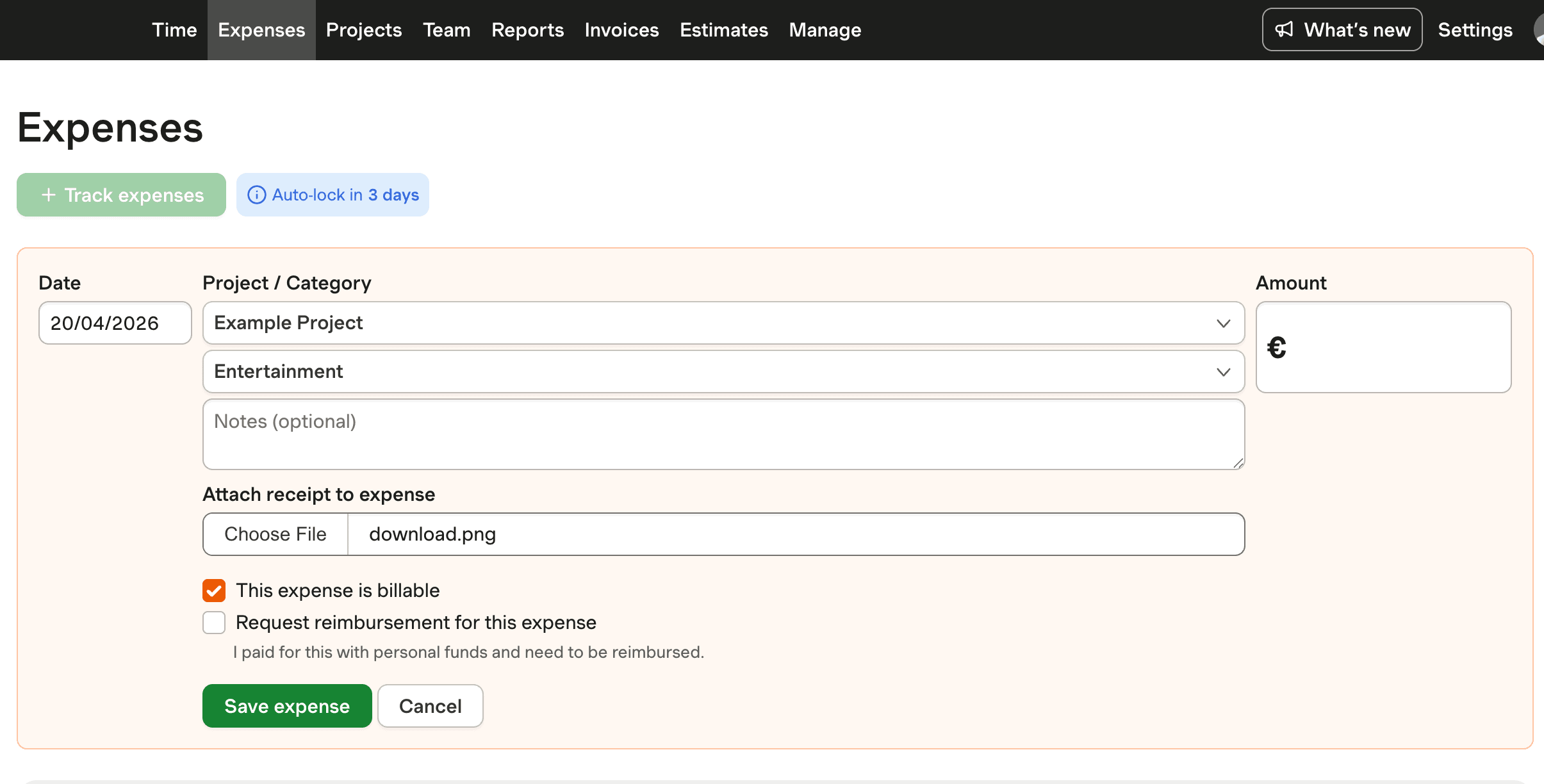
Harvest simplifies tracking of cloud service expenses by project, integrating time tracking and invoicing for small businesses.

Screenshot of Harvest tracking expenses by project for cloud services.

Cloud Services Expense Tracker FAQs

  • Businesses track cloud service expenses effectively by implementing structured cost optimization programs, which can reduce cloud spend by 20% to 40%. Key strategies include gaining full visibility into spending and automating resource management to match actual demand.

  • FinOps, or Financial Operations, is a practice that fosters collaboration among finance, engineering, and business teams for cloud financial management. It focuses on real-time visibility and optimization of cloud spending, aligning closely with expense tracking goals.

  • Visibility is crucial because it allows organizations to identify and eliminate waste, optimize resource usage, and make informed financial decisions. Without it, nearly 90% of professionals report being unable to perform their jobs effectively.

  • Harvest helps small businesses manage cloud expenses by providing a simple, project-based expense tracking solution. It integrates time tracking and client invoicing, making it ideal for businesses focused on project profitability rather than complex cloud analytics.

  • Automating cloud resource management allows businesses to dynamically adjust resources based on real-time demand, reducing unnecessary expenses and manual errors. This approach ensures optimal resource usage and cost efficiency.

  • Strategies include rightsizing resources, implementing clear governance policies, and using budget alerts to prevent cost overruns. Organizations can achieve substantial savings by aligning resources with actual usage needs.