
Harvest
Expenses
Sign up

Doordash Mileage Reimbursement

Harvest empowers DoorDash drivers to track expenses accurately, including mileage, ensuring they maximize tax deductions. With customizable categories, Harvest simplifies financial management for gig workers.

EXPENSE REPORT DRAFT

Drop your receipts here or click to upload

Images and PDFs (max 10 MB each)

Date
Category
Merchant
Description
Amount
Total
$0.00

Customise report

Appearance

Show report title

Report settings

Understanding Mileage Deductions for DoorDash Drivers

DoorDash drivers can maximize their tax deductions by accurately tracking mileage, as business mileage is a significant deductible expense. According to the IRS, the standard mileage rate for business purposes is 72.5 cents per mile in 2026, up from 70 cents in 2025. This increase reflects rising operating costs and highlights the importance of meticulous tracking for gig economy workers, a sector that now includes nearly 36% of American workers.

Accurate mileage tracking can potentially save independent contractors between $3,000 and $7,000 annually in mileage deductions. However, many drivers underestimate these savings, often due to errors in manual tracking methods. Research indicates that 88% of spreadsheets used for this purpose contain errors, making automated solutions a preferable option.
Effective Mileage Tracking Methods

To ensure eligibility for tax deductions, DoorDash drivers need to maintain detailed and accurate mileage logs. The IRS requires contemporaneous records, meaning that logs should be maintained as trips occur. Key details to include are the date, miles driven, and the business purpose of each trip. Without these, drivers risk losing valuable deductions or facing penalties during audits.

Experts recommend using automated mileage tracking applications due to their accuracy and ease of use. These apps often provide features like automatic GPS detection and the ability to classify trips as business or personal with a simple swipe. Such technologies not only enhance tracking precision but also simplify the generation of IRS-compliant reports.

Leveraging Harvest for Mileage and Expense Tracking

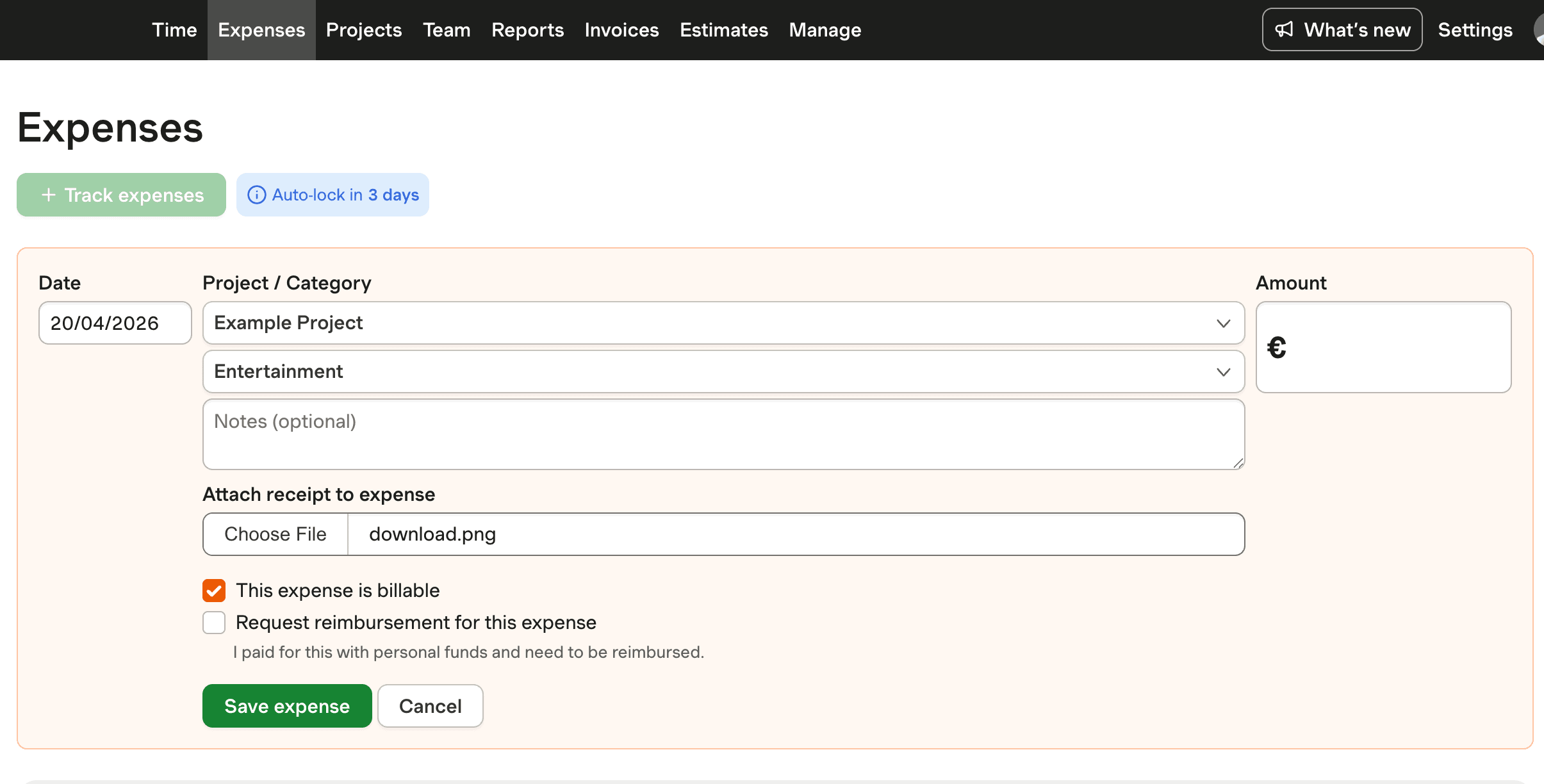
While Harvest does not offer gig worker-specific features, it is a robust tool for tracking project expenses, including mileage. Harvest allows users to create custom expense categories, such as for parking fees and tolls, enabling DoorDash drivers to comprehensively manage their deductible expenses. By setting a per-mile rate, users can track mileage accurately, an essential step for maximizing tax deductions.

Harvest’s flexibility in expense tracking makes it ideal for small business owners and freelancers who need to manage various expense types. Although it does not differentiate between business and commuting miles, its customizable features allow for detailed tracking and reporting, supporting efficient financial management.

Tax Compliance and Legal Considerations

For DoorDash drivers, understanding and complying with tax regulations is crucial. The IRS permits deductions for business mileage, but the records must be meticulous. Drivers should ensure they distinguish business miles from personal commutes, as the latter are generally non-deductible unless specific conditions are met. Failing to keep accurate records can lead to IRS audits, back taxes, and penalties.

Legal compliance extends beyond federal requirements. States like California mandate that employers reimburse employees for necessary business expenses, including vehicle costs associated with work. This legal landscape underscores the importance of accurate and comprehensive mileage tracking to safeguard against potential legal issues and ensure full deduction of eligible expenses.

Practical Tips for Maximizing Mileage Deductions

DoorDash drivers can optimize their deductions by following several practical tips. First, maintain a detailed log for each trip, including odometer readings, trip origins and destinations, and business purposes. This detailed record-keeping is essential for defending deductions during audits.

Second, leverage technology such as automated tracking apps to minimize human error and streamline the reporting process. Finally, understand the difference between deductible business mileage and non-deductible commuting miles. Trips between client sites, temporary work locations, and business errands typically qualify as deductible.

Track Mileage with Harvest

See how Harvest enables DoorDash drivers to track mileage expenses with customizable categories for tax deductions.

Harvest dashboard showing DoorDash mileage tracking

Doordash Mileage Reimbursement FAQs

  • DoorDash drivers can deduct business mileage, including travel between delivery locations, trips for supplies, and visits to temporary work sites. Commuting from home to a fixed work location is generally not deductible unless specific criteria are met.

  • To accurately track mileage for tax deductions, maintain contemporaneous records with details like dates, miles driven, and business purposes. Automated apps are recommended for their accuracy and ease of use.

  • The IRS standard mileage rate for business use in 2025 is 70 cents per mile, reflecting adjustments for operating costs. This rate is updated annually to account for changes in expenses.

  • Yes, Harvest allows DoorDash drivers to track mileage by setting a per-mile rate, aiding in accurate expense reporting and maximizing tax deductions with customizable expense categories.

  • Automated mileage tracking apps are highly recommended for their ability to provide accurate, contemporaneous records, which are essential for tax compliance and maximizing deductions. They often include features like GPS detection and trip classification.

  • In addition to mileage, DoorDash drivers can deduct expenses such as parking fees, tolls, and other business-related costs. Harvest enables tracking of these expenses with customizable categories.

  • Accurate mileage tracking is crucial for maximizing tax deductions and ensuring compliance with IRS requirements. Mistakes in tracking can lead to lost deductions and potential audits.