
Harvest
Expenses
Sign up

Expense Approval Software in Marathi

Harvest helps businesses manage expenses with customizable categories, addressing the need for localized solutions in India. Although not in Marathi, Harvest offers project-based expense tracking ideal for small businesses.

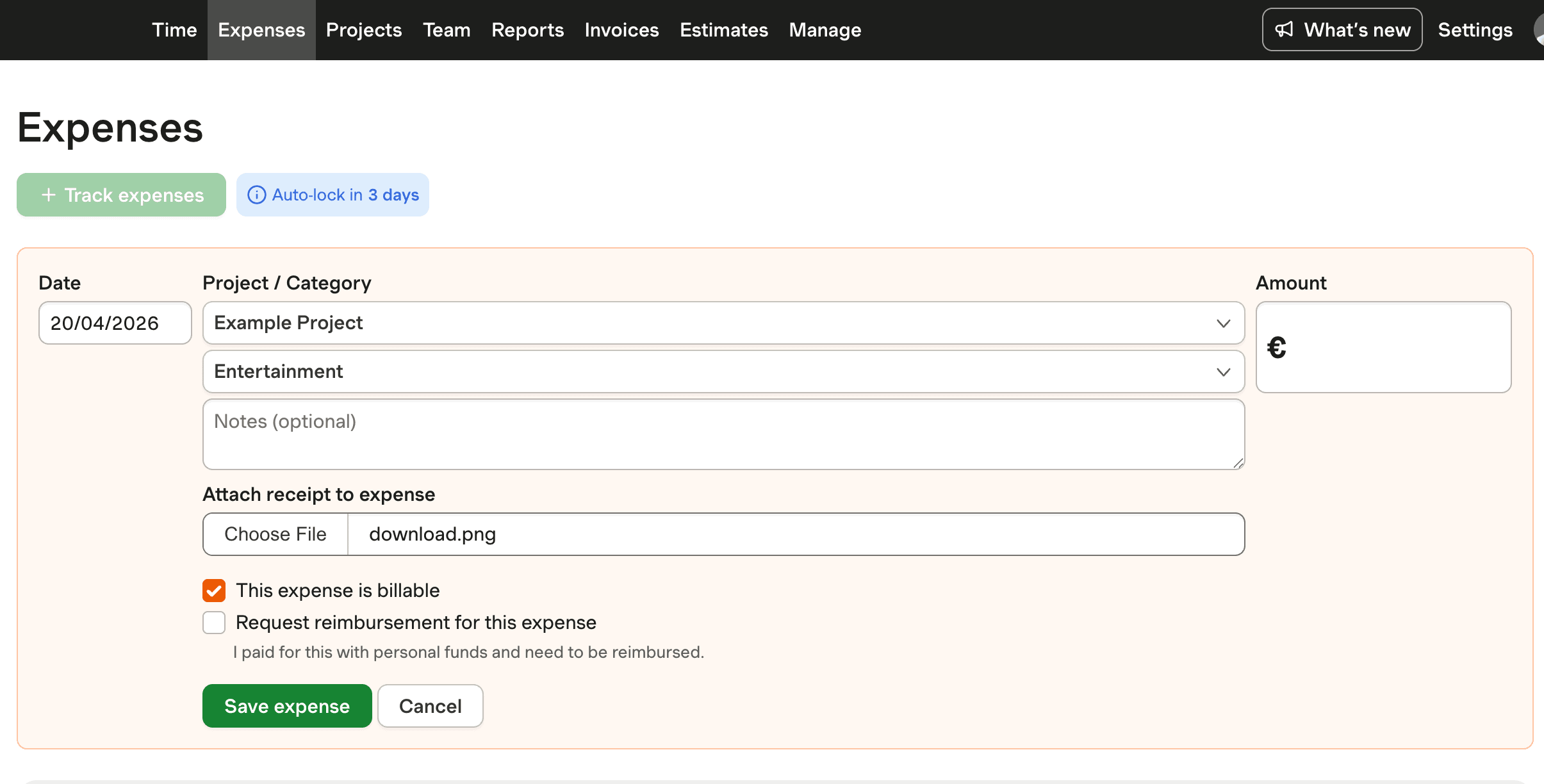
  • Attach receipts to projects & tasks
  • Turn tracked expenses into client invoices
  • Free 30-day trial, no credit card needed

or drag & drop • Images and PDFs, max 10 MB

The Need for Expense Approval Solutions in Marathi

For businesses operating in India, especially those in Maharashtra, having expense approval software that supports the Marathi language is crucial. As companies increasingly expand their operations, the demand for localized solutions becomes evident. The global expense management market is projected to grow to $17 billion by 2032, a testament to the rising interest in flexible and scalable solutions. In India, multi-language support is not just a preference but a necessity to accommodate diverse teams and ensure effective communication.

However, finding software that offers comprehensive features like automated approval workflows or integration with local payment methods in Marathi can be challenging. While there is a significant demand for such capabilities, many solutions fall short. This is where Harvest steps in, offering customizable expense categories that can align with local business practices, providing a tailored experience even in the absence of full Marathi language support.
Efficiency and Productivity with Automation

Automation in expense management can significantly enhance efficiency and productivity, saving up to 70%-90% of the time traditionally spent on manual processing. Many employees spend over 30 minutes manually filing expense reports, which automation can dramatically reduce. This allows finance teams to manage higher volumes of data with less effort and focus on strategic tasks instead.

While Harvest may not offer automated approval workflows tailored to Indian regulatory needs, its ability to streamline processes through customizable categories helps businesses maintain efficiency. By reducing manual errors and categorizing expenses accurately, businesses can save costs and improve overall operational productivity. For example, manual reports, which often cost $58 each and contain errors 20% of the time, can be streamlined to ensure accuracy and reduce unnecessary expenditures.

Addressing Compliance and Data Retention in India

Compliance with Indian tax laws and data retention requirements is a critical consideration for any business operating in India. Under the Companies Act 2013, financial records must be kept for at least eight years, while GST and income tax records have their own retention mandates. Digital records are increasingly accepted, provided they are secure, accessible, and complete.

Although Harvest does not offer specific compliance features for Indian tax laws, it provides real-time expense tracking and customizable categories that help businesses maintain organized records. This organization aids in compliance by ensuring that documents are easily retrievable and that financial data is accurately categorized. The ability to customize categories according to local practices allows businesses to align their internal policies with statutory requirements more seamlessly.

Integrating Expense Management with Business Processes

Integrating expense management software with existing business processes, such as accounting systems, is vital for maintaining accuracy and gaining financial insights. While Harvest does not integrate with popular Indian accounting software like Tally or Zoho, it offers integration with QuickBooks Online and Xero, facilitating seamless data transfer and reducing manual entry errors.

For businesses looking to enhance their financial operations, using a tool like Harvest that supports integration with major accounting solutions can simplify processes and offer real-time insights. This ensures that financial records are up-to-date, enabling better cash flow management and forecasting. By automating data transfer, businesses can save time and improve accuracy, ultimately supporting more strategic decision-making.

Harvest Expense Management

Discover how Harvest offers customizable expense categories for Indian businesses, even without Marathi language support.

Harvest dashboard showing expense category customization options.

Expense Approval Software in Marathi FAQs

  • Expense approval software automates the process of collecting, processing, and approving expenses, leading to significant time savings and improved accuracy. It reduces the average cost of manual reports, which is around $58 each, and minimizes errors common in manual entries.

  • Automation in expense management can cut processing time by 70%-90%, allowing finance teams to handle higher volumes efficiently. It also reduces manual errors, enhancing data accuracy and leading to better financial decision-making.

  • Multi-language support is crucial in diverse markets like India to ensure effective communication and usability across different regions. It helps teams better understand and manage their expenses, aligning with local business practices.

  • Harvest provides real-time expense tracking but does not specifically offer compliance features for Indian tax laws. However, its customizable categories help businesses maintain organized records, aiding in compliance.

  • Harvest can manage expenses in India by allowing businesses to create customizable categories that reflect local practices. This feature, combined with its integration capabilities, supports effective financial management.

  • Harvest does not currently integrate with Indian accounting software like Tally. It primarily integrates with QuickBooks Online and Xero, offering streamlined data transfer and accurate financial reporting.

  • In India, financial records must be retained for at least eight years under the Companies Act 2013. GST records need to be kept for six years from the due date of the annual return, ensuring compliance with statutory mandates.