
Harvest
Expenses
Sign up

Expense Approval Software in Arabic

Harvest is a project-based expense tracker designed for small-to-medium businesses needing to manage expenses alongside time, though it does not support Arabic language features or local tax compliance for MENA regions.

EXPENSE REPORT DRAFT

Drop your receipts here or click to upload

Images and PDFs (max 10 MB each)

Date
Category
Merchant
Description
Amount
Total
$0.00

Customise report

Appearance

Show report title

Report settings

The Growing Need for Arabic Expense Approval Software

The demand for expense approval software that supports the Arabic language is on the rise, driven by the unique needs of organizations in the Middle East. Many businesses in the region still rely on manual processes, such as spreadsheets and paper receipts, which can lead to significant inefficiencies. For instance, organizations handling 1,000 manual expense reports annually may waste over 400 hours and incur thousands of dollars in unnecessary costs. This inefficiency contributes to a 35% loss in productivity for UAE companies, costing an average of 13,206 AED per employee each year.

To combat these issues, there is a growing shift towards automated solutions. Automated expense management systems can reduce processing costs by up to 28% and decrease human error by 29%. In Rabat, Morocco, early adopters of automation have reported a 40% faster financial close cycle, highlighting the tangible benefits of transitioning to digital workflows. By integrating such systems, businesses can achieve greater efficiency, compliance, and employee satisfaction.
Key Features to Look for in Arabic Expense Approval Software

When evaluating expense approval software for Arabic-speaking users, several key features should be prioritized. Firstly, the software must offer an Arabic interface that can handle both printed and handwritten Arabic documents. This is crucial for regions where manual entries are still prevalent. A diversified conglomerate in Egypt, for example, improved productivity by over 70% after implementing a solution that supported Arabic language processing.

Compliance with local regulations is another critical feature. For instance, UAE companies must adhere to International Financial Reporting Standards (IFRS) and maintain financial records for at least five years. Software that integrates seamlessly with existing accounting systems can help ensure these compliance requirements are met. Moreover, capabilities like AI-driven automation and OCR technology can significantly enhance accuracy and reduce the risk of fraud, as seen in Rabat, where AI-powered systems reduced expense report errors by 92%.

Automating Expense Approvals for Middle Eastern Businesses

Automation is transforming the landscape of expense management in the Middle East. With a projected CAGR of 12.9%, the expense management software market in the region is expected to grow significantly, highlighting the increasing adoption of digital solutions. Automated systems are particularly beneficial for overcoming common challenges such as delayed reimbursements and complex approval processes, which can negatively impact employee morale.

For example, Saudi Arabian businesses have shifted towards automated travel expense management to align with Vision 2030 goals, achieving better compliance and cost control. Automated systems provide real-time visibility into expense data, allowing for informed financial decisions and improved budget management. By routing expense claims to the correct approvers based on predefined rules, these systems minimize bottlenecks and approval overloads, streamlining the entire process.

Leveraging AI and OCR for Enhanced Expense Management

AI and OCR technologies are revolutionizing expense management by automating repetitive tasks and ensuring accuracy. For businesses in the Middle East, these technologies can be game-changers. AI-driven systems automate data entry, policy enforcement, and approval workflows, reducing the time spent on manual processes. In Rabat, for instance, companies using AI-powered automation saw a 78% cost reduction within 90 days of implementation.

OCR technology plays a crucial role in digitizing receipts and invoices, eliminating the need for manual data entry. This is especially beneficial in Arabic-speaking regions where handwritten documents are common. By extracting data automatically, OCR reduces errors and accelerates processing times, contributing to faster financial close cycles and improved compliance. For Middle Eastern businesses seeking efficiency and compliance, integrating AI and OCR into their expense management strategies is essential.

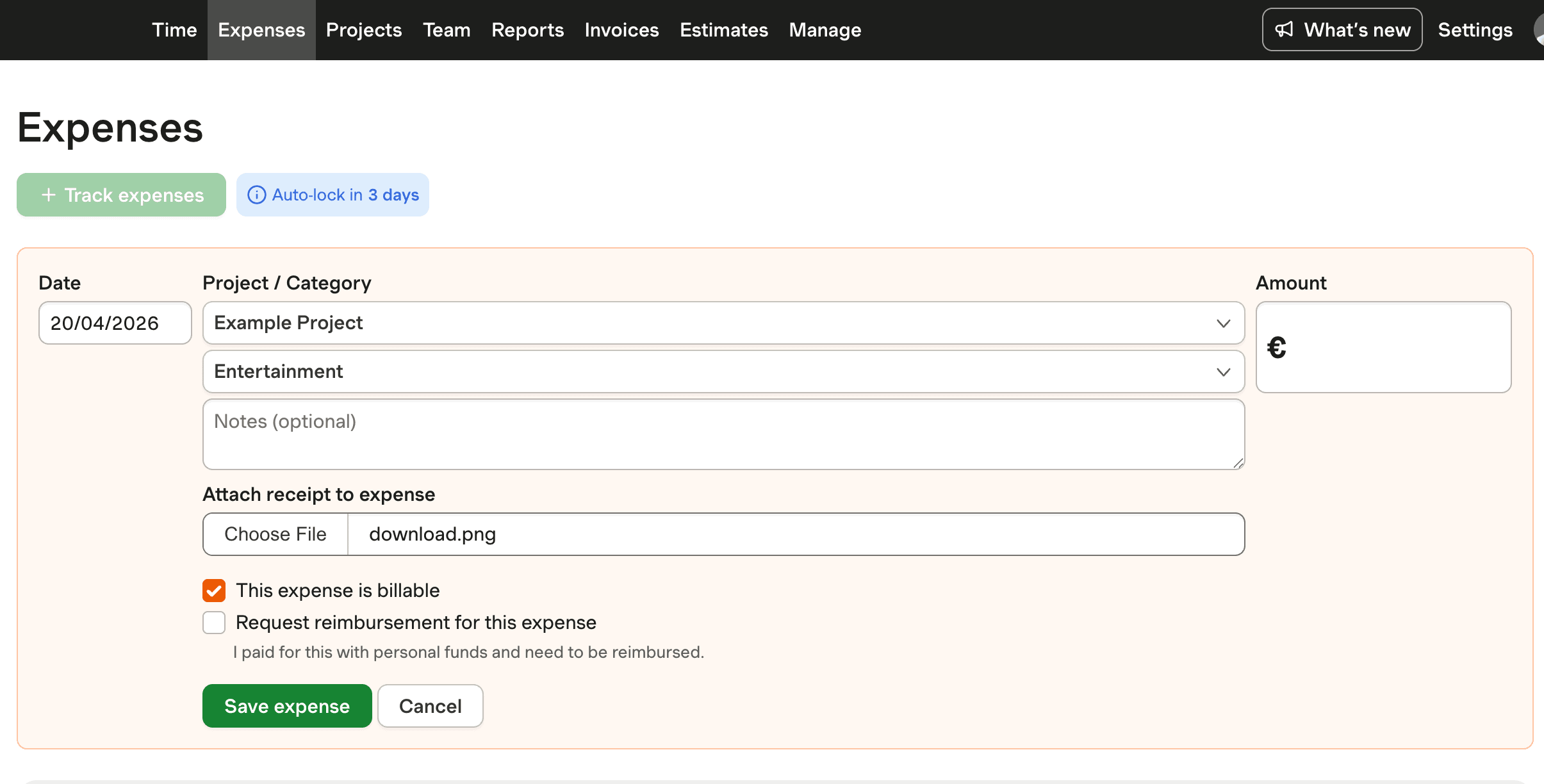
Harvest for Expense Tracking

Explore Harvest's expense tracking features for small businesses, though it lacks Arabic language support.

Screenshot of Harvest expense approval interface, not supporting Arabic language.

Expense Approval Software in Arabic FAQs

  • Arabic expense approval software is crucial for businesses in the Middle East to ensure compliance with regional regulations and improve financial efficiency. Manual processes often lead to errors and delays, impacting productivity and financial accuracy.

  • Automation can significantly enhance expense management by reducing errors, speeding up processing times, and providing real-time insights. Businesses in Rabat, for instance, reported a 40% faster financial close cycle after adopting automation.

  • Key features include an Arabic interface, compliance with local regulations, and integration with existing accounting systems. AI and OCR technologies can also improve accuracy and efficiency by automating data entry and approval workflows.

  • Compliance ensures that businesses meet regional financial reporting standards, avoiding penalties. For example, UAE companies must comply with IFRS and maintain records for at least five years, which automated software can help manage.

  • AI automates data entry and policy enforcement, reducing manual errors and processing costs. In Rabat, AI-powered automation led to a 78% cost reduction within 90 days, demonstrating its effectiveness in improving financial accuracy.

  • OCR technology digitizes receipts and invoices, eliminating manual data entry. This is particularly useful in regions with handwritten documents, as it reduces errors and speeds up approval processes, enhancing overall efficiency.

  • Automated systems minimize bottlenecks by routing claims to the correct approvers based on predefined rules. This reduces approval overloads and accelerates reimbursements, improving employee satisfaction and financial control.