
Harvest
Expenses
Sign up

Expenses Google Sheets

Harvest addresses the inefficiencies of manual expense tracking by offering customizable categories and seamless project integration, reducing costs and errors.

EXPENSE REPORT DRAFT

Drop your receipts here or click to upload

Images and PDFs (max 10 MB each)

Date
Category
Merchant
Description
Amount
Total
$0.00

Customise report

Appearance

Show report title

Report settings

The Challenges of Manual Expense Tracking

Manual expense tracking using spreadsheets like Google Sheets remains prevalent among small and mid-sized companies. As of January 2023, about one-third of these businesses still rely on spreadsheets for managing expenses, despite a notable decline from previous years. This manual approach often incurs significant costs; the average expense report costs $58 to process, and mistakes, found in 19% of reports, can add $52 each to rectify. For a small team handling around 50 reports monthly, these errors can lead to an annual cost exceeding $41,000.

Moreover, manual tracking poses risks such as increased chances of fraud — up to 75% of businesses see a correlation between manual processes and fraud. Companies can lose around 5% of their annual revenue due to expense fraud, which is compounded by the lack of real-time visibility. This absence of timely insights can delay critical financial decisions and budget adjustments, undermining strategic planning.
Why Businesses Are Moving Away from Spreadsheets

There's a growing trend towards automating expense management due to the limitations of traditional spreadsheets. While Google Sheets offer a cost-effective and easily accessible solution, they are increasingly seen as inadequate for comprehensive business needs. Spreadsheets are prone to errors and can delay financial insights, extending month-end closing processes from hours to days, a phenomenon some experts call the "spreadsheet illusion."

Businesses that automate expense management report saving up to 62 hours per month, and they reduce processing time by 60% and cut costs by 35%. This shift is driven by the need for efficiency, real-time data, and compliance. For instance, automated systems can reduce fraud losses by up to 54% and speed up detection by 50%. Therefore, the transition to digital-first expense management solutions is becoming a strategic imperative for many organizations.

Streamline Expense Tracking with Harvest

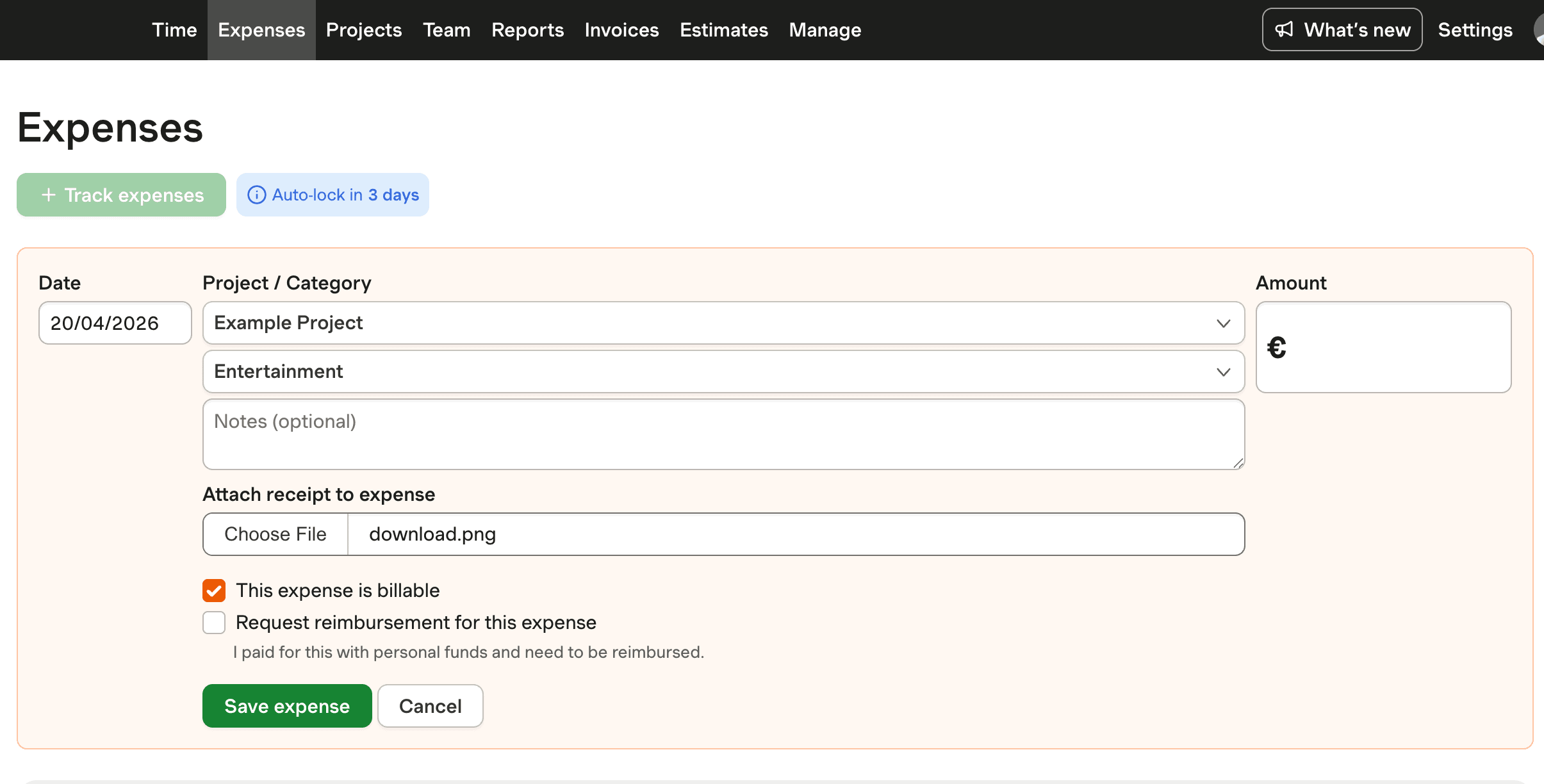
Harvest offers an effective alternative to manual tracking in Google Sheets by providing customizable expense categories and seamless integration with project management tools. This integration allows users to manage expenses within project budgets, offering a holistic view of project costs and time tracking. By using Harvest, businesses can ensure that expenses align with project goals, reducing the risk of budget overruns.

Unlike Google Sheets, which lacks built-in features for visual data representation, Harvest allows for comprehensive and exportable expense reports. While it doesn't offer real-time collaboration, it provides a structured environment for team expense tracking, with expenses submitted for approval alongside weekly timesheets. This structured approach helps maintain compliance and streamline the approval process.

Customizable Expense Management with Harvest

One of Harvest's standout features is its ability to create custom expense categories tailored to specific business needs, such as Meals, Transport, or Mileage. This customization empowers businesses to align their expense tracking with unique industry requirements, ensuring accurate and detailed financial records.

Additionally, Harvest's integration of expense tracking with its project management capabilities offers a unified platform for managing both time and expenses. This integration is particularly beneficial for small-to-medium businesses seeking to optimize their project and expense management processes, without the complexities of advanced formulas or real-time collaboration found in other tools.

Manage Expenses with Harvest

See how Harvest streamlines expense management with customizable categories and project integration, surpassing Google Sheets.

Harvest expense tracking dashboard for businesses

Expenses Google Sheets FAQs

  • To track expenses with Google Sheets, start by creating a new sheet and include columns for essential data like Merchant, Description, Category, Amount, Date, and Payment Method. Utilize functions like SUM to calculate totals and categorize expenses for better insight.

  • Google Sheets, while versatile, can be prone to errors and lacks real-time financial insights, which can delay decision-making. It also requires manual entry and categorization, which can be time-consuming and lead to inaccuracies.

  • Automating expense tracking reduces processing time by 60% and costs by 35%, while minimizing errors and fraud risks. It provides real-time insights, helping with strategic financial planning and compliance.

  • Yes, Harvest integrates expense tracking with project management tools, allowing users to manage expenses within project budgets and align them with project goals.

  • Harvest allows users to create custom expense categories, such as Meals or Transport, tailored to specific industry needs, enhancing the accuracy and relevance of financial records.

  • Harvest provides a structured environment for expense tracking with customizable categories and project integration, reducing errors and improving compliance, unlike the manual approach of Google Sheets.

  • Harvest supports team expense tracking by allowing individual tracking and submission for approval as part of weekly timesheets, ensuring compliance and a streamlined workflow.