
Harvest
Expenses
Sign up

Expense Automation

Harvest provides a straightforward expense tracking solution, perfect for businesses seeking simplicity and efficiency in expense management.

EXPENSE REPORT DRAFT

Drop your receipts here or click to upload

Images and PDFs (max 10 MB each)

Date
Category
Merchant
Description
Amount
Total
$0.00

Customise report

Appearance

Show report title

Report settings

The Transformative Impact of Expense Automation

Expense automation is revolutionizing financial operations by reducing manual labor and enhancing efficiency. Traditionally, processing a single expense report manually costs about $58, but automation can slash this figure to just $10. This significant cost reduction is crucial for businesses handling extensive monthly reports, allowing them to allocate resources more effectively.

Automation also addresses the error-prone nature of manual processes. Currently, 19% of manual expense reports contain errors, each costing an average of $52 and requiring an additional 18 minutes to correct. With automated systems, error rates can drop dramatically, sometimes down to 0.8% annually. Companies adopting automation report a 30% reduction in processing costs and a 65% decrease in errors, highlighting the substantial improvements in accuracy and efficiency.
Key Benefits of Automating Expense Management

Automating expense management brings several key benefits, including enhanced accuracy and faster processing times. For instance, automated approval processes can reduce approval times by up to 50%. This efficiency boost allows employees to focus on strategic tasks rather than administrative burdens.

The shift towards mobile-based expense reporting, which grew by 42% in 2024, underscores the demand for real-time, flexible solutions. Such systems enable employees to submit expenses on-the-go, improving compliance and reducing delays. Moreover, incorporating AI and machine learning enhances capabilities like automated receipt capture and fraud detection, which are becoming integral to modern expense systems.

Implementing Expense Automation in Your Business

To effectively implement expense automation, businesses should follow a structured approach. Start by defining clear and concise expense policies that are easily enforceable. Selecting the right software solution is critical; it should integrate well with existing systems and facilitate mobile receipt capture and automated categorization.

It's advisable to configure automated workflows to streamline approval processes and conduct a phased rollout. This allows for troubleshooting and adjustments before full implementation. Continuous monitoring and optimization ensure that the system meets evolving business needs and maintains compliance with regulations.

Common Challenges and How Harvest Supports Your Needs

While transitioning to expense automation, businesses often face challenges such as maintaining visibility into spending and enforcing compliance. Automation solutions provide real-time visibility, crucial for proactive financial decision-making and cost-saving strategies. They also mitigate risks like employee fraud, which can account for 5% of a company's revenue if unchecked.

Although Harvest does not provide AI-driven receipt matching or ERP integration, it offers a straightforward expense tracking solution. This simplicity is ideal for small-to-medium businesses seeking an efficient way to manage project-based expenses. Users can upload receipt images and manage expenses manually, ensuring a clear digital trail for audits and compliance. Harvest's focus on fundamental tracking and reporting supports businesses in maintaining financial oversight without unnecessary complexity.

Streamline Expense Management with Harvest

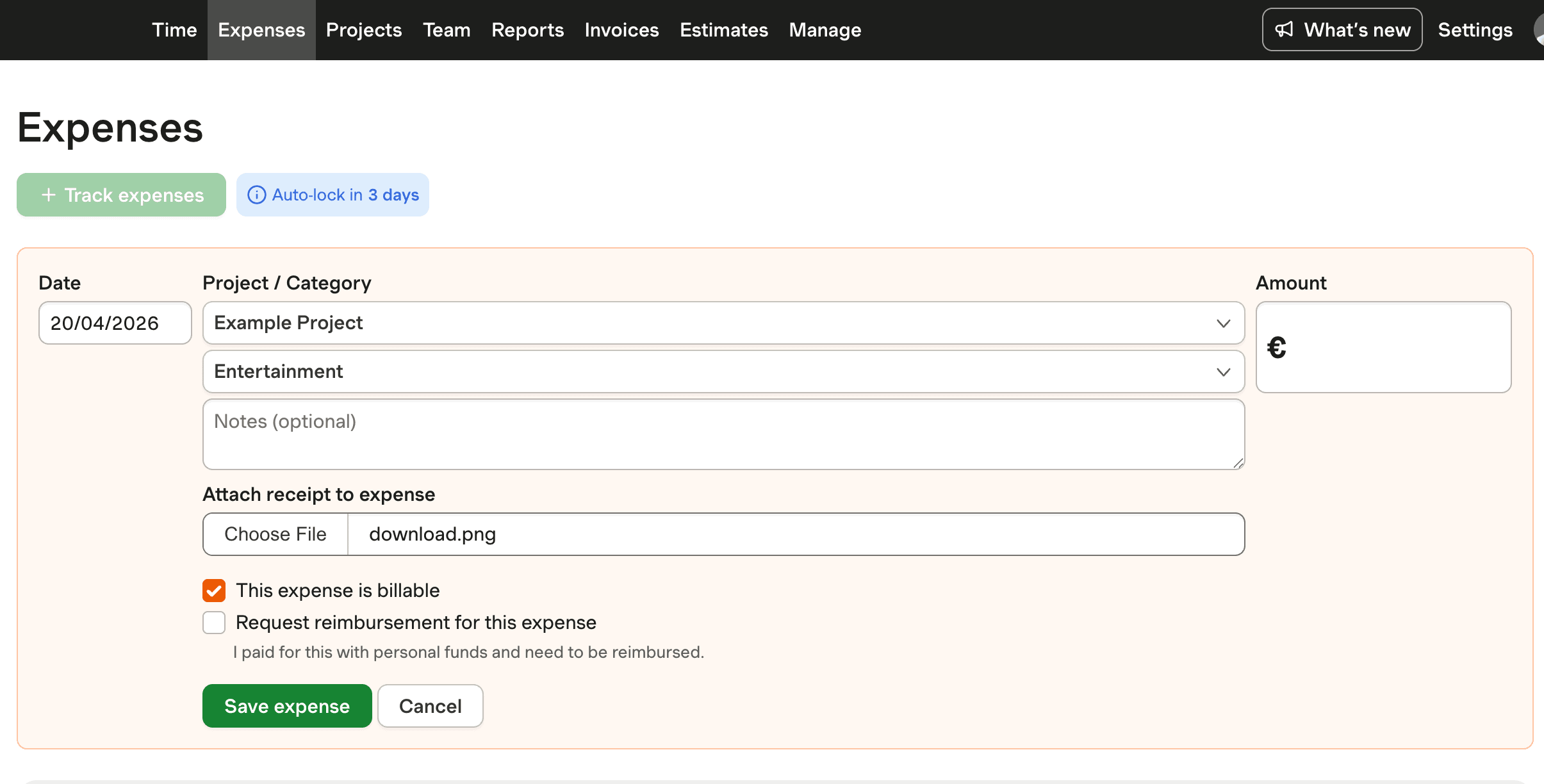
See how Harvest simplifies expense tracking for businesses, offering a straightforward approach to managing expenses efficiently.

Harvest expense automation dashboard for streamlined management.

Expense Automation FAQs

  • Expense automation significantly reduces processing costs, with automated systems cutting the average cost per report from $58 to $10. It also decreases error rates from 19% to as low as 0.8%, enhancing accuracy and efficiency.

  • Start by defining clear expense policies and selecting a suitable automation tool that integrates with existing systems. Implement automated approval workflows and conduct a phased rollout to ensure a smooth transition.

  • Common challenges include maintaining visibility into spending and ensuring compliance. Automated systems help by providing real-time data and enforcing expense policies, reducing risks like fraud, which can affect up to 5% of revenue.

  • Harvest offers a straightforward expense tracking solution, ideal for small-to-medium businesses. It enables manual expense management with a focus on project-based tracking and digital audit trails.

  • Automating expense management can reduce processing costs by 30% and error rates by 65%. Businesses can save significantly by shifting from manual to automated systems.

  • Mobile expense reporting grew by 42% in 2024, highlighting its importance in providing real-time, flexible solutions for on-the-go expense submissions. This trend improves compliance and reduces processing delays.

  • Automated systems ensure compliance by securely storing receipts and documentation, providing audit-ready records that meet legal requirements in various jurisdictions.

  • Trends like AI and machine learning integration, mobile reporting, and the need for real-time financial insights are driving the adoption of expense automation, making it a cornerstone of modern financial operations.