
Harvest
Expenses
Sign up

Erp Expense

Harvest improves accuracy in expense reporting by allowing detailed tracking, even without ERP integration, making it ideal for SMBs.

  • Attach receipts to projects & tasks
  • Turn tracked expenses into client invoices
  • Free 30-day trial, no credit card needed

or drag & drop • Images and PDFs, max 10 MB

The Role of ERP in Expense Management

Enterprise Resource Planning (ERP) systems are increasingly vital in managing expenses effectively. They provide a centralized platform that integrates various business functions, allowing organizations to gain comprehensive financial visibility. Without ERP integration, businesses often face challenges such as disjointed systems and data silos, which lead to inefficiencies. ERP systems mitigate these issues by consolidating data, thereby improving decision-making processes.

Statistics reveal that 75% of organizations experience improved compliance after implementing ERP projects, highlighting the value of integrated systems in adhering to regulatory standards. Moreover, companies that adopt ERP solutions report a 52% return on investment within approximately 2.5 years. Despite these benefits, not all expense management tools, like Harvest, offer ERP integration, which can pose challenges in data synchronization.
Benefits of Integrating ERP with Expense Management Software

Integrating ERP with expense management software enhances financial visibility and efficiency. With this integration, businesses can automate data flows, reducing manual errors and ensuring accurate reporting. However, platforms like Harvest, while excellent for project-based expense tracking, do not offer ERP integration. This means organizations using Harvest may need to manually transfer data between systems, which can be time-consuming.

The benefits of integration are clear: ERP systems can reduce IT costs by 40% and inventory levels by 38%. Furthermore, organizations report up to 30% cost savings in purchasing and inventory management. These efficiencies underscore why 46% of businesses prioritize cost savings as a primary goal when adopting ERP solutions.

Challenges Without ERP Integration

Organizations that lack ERP integration with their expense management systems face several challenges. Primarily, these include difficulties in maintaining data accuracy across multiple platforms and the increased risk of fraud due to manual processes. Harvest, while a robust tool for simple expense tracking, does not integrate with ERP systems, which can limit seamless data flow.

Without ERP integration, businesses might find themselves spending more on IT resources and experiencing delays in data processing. For example, a construction firm reduced reconciliation time by 75% after adopting an integrated solution, showcasing the potential time savings of ERP systems. In contrast, manual processes can lead to inefficiencies, with companies potentially missing out on the 35% cycle time reduction reported with ERP adoption.

How to Enhance Expense Management Without ERP

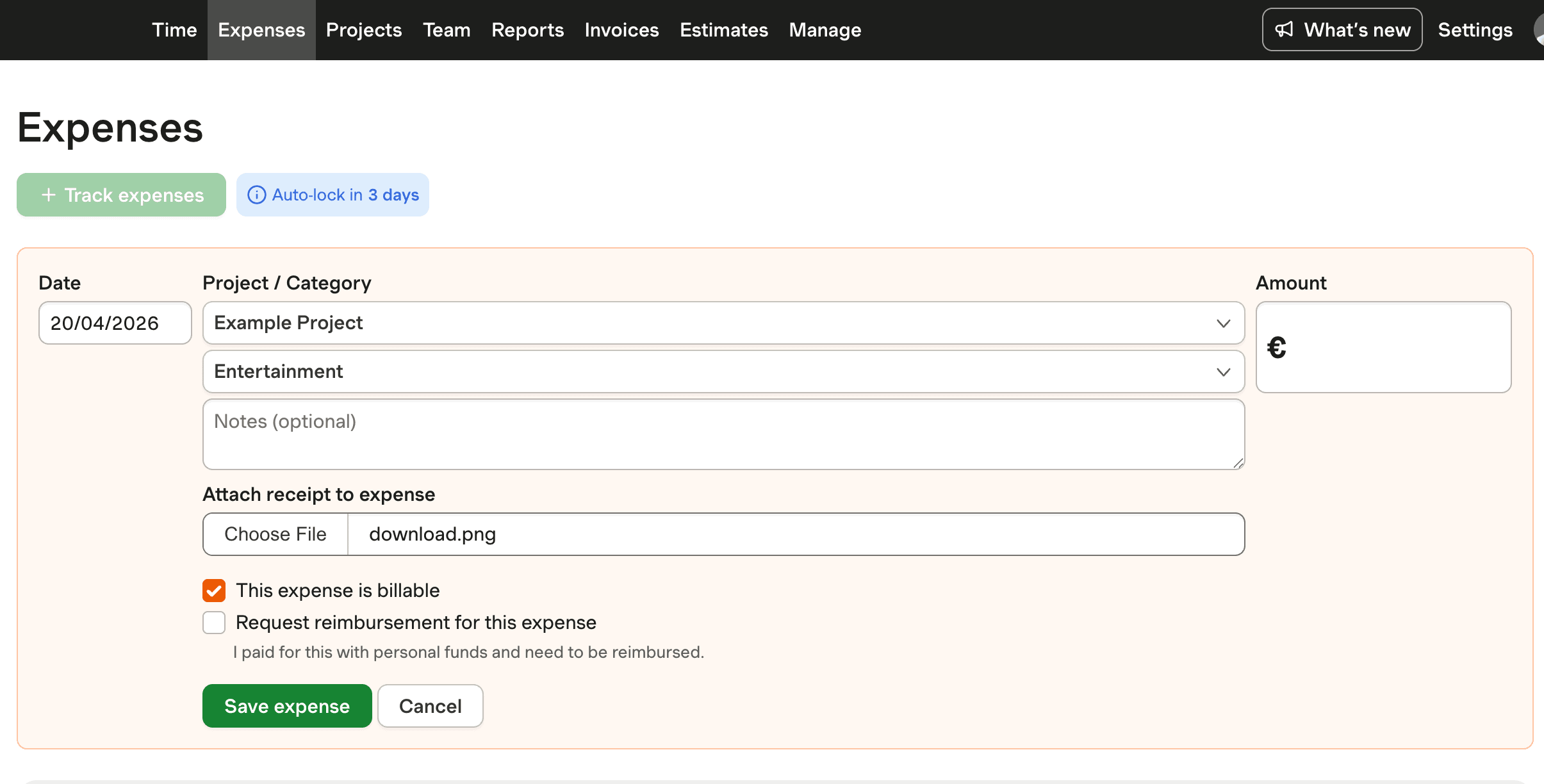
Even without ERP integration, businesses can enhance their expense management processes through strategic approaches. Harvest offers features that improve accuracy and reduce manual errors by allowing expenses to be tracked by date, project, and category. This functionality is crucial for maintaining organized and error-free records.

To optimize expense management, companies should focus on clean data practices, thorough staff training, and effective change management strategies. By ensuring that the data entered into systems like Harvest is accurate, businesses can better manage their finances. Additionally, phased implementation of new tools and technologies can help align processes with business objectives, minimizing disruptions and maximizing benefits.

Enhance Expense Management with Harvest

See how Harvest improves accuracy in expense tracking without ERP integration, ideal for SMBs.

Harvest's project-based expense tracking interface for ERP expenses.

Erp Expense FAQs

  • Integrating ERP with expense management software increases financial visibility and efficiency. It automates data flows, reducing errors and ensuring accurate reporting. However, tools like Harvest do not offer ERP integration, which can necessitate manual data transfers.

  • ERP systems provide comprehensive financial visibility by integrating various business functions into a single platform. This consolidation eliminates data silos and improves decision-making. Statistics show that 75% of businesses report improved compliance with ERP integration.

  • Without ERP integration, businesses struggle with data accuracy and increased manual processing, leading to inefficiencies. Harvest users, for instance, may face challenges in syncing data across systems as it does not integrate with ERP platforms.

  • Harvest enhances expense management by allowing detailed tracking by date, project, and category. This reduces manual errors and improves accuracy, making it suitable for small-to-medium businesses even without ERP integration.

  • Accurate data is crucial for reliable financial reporting and decision-making. Without it, businesses risk compliance issues and financial discrepancies. Systems like Harvest help maintain accuracy through organized tracking features.

  • ERP systems reduce operational costs by optimizing processes and consolidating data. They can decrease IT costs by 40% and inventory levels by 38%, significantly enhancing overall efficiency and cost-effectiveness.