
Harvest
Expenses
Sign up

Expense Analytics

Harvest simplifies project-based expense tracking, reducing manual errors and enhancing financial visibility for small-to-medium businesses.

  • Attach receipts to projects & tasks
  • Turn tracked expenses into client invoices
  • Free 30-day trial, no credit card needed

or drag & drop • Images and PDFs, max 10 MB

Understanding Expense Analytics

Expense analytics is the systematic evaluation of business costs to identify spending patterns, inefficiencies, and opportunities for optimization. This process has significantly evolved with technological advancements, moving from manual methods to automated solutions that enhance accuracy and efficiency. Notably, 75% of businesses perceive manual tracking as a fraud risk, leading many to adopt automated systems that reduce processing times by 60% and cut costs by 35%.

The global market for Expense Management Systems was valued at $7.46 billion in 2024 and is expected to grow at a CAGR of 10.138% until 2033. This growth is driven by the increasing need for real-time visibility, which 70% of finance teams prioritize for 2025. Understanding these trends helps businesses anticipate future needs and align their financial strategies accordingly.
Methods for Effective Expense Data Collection

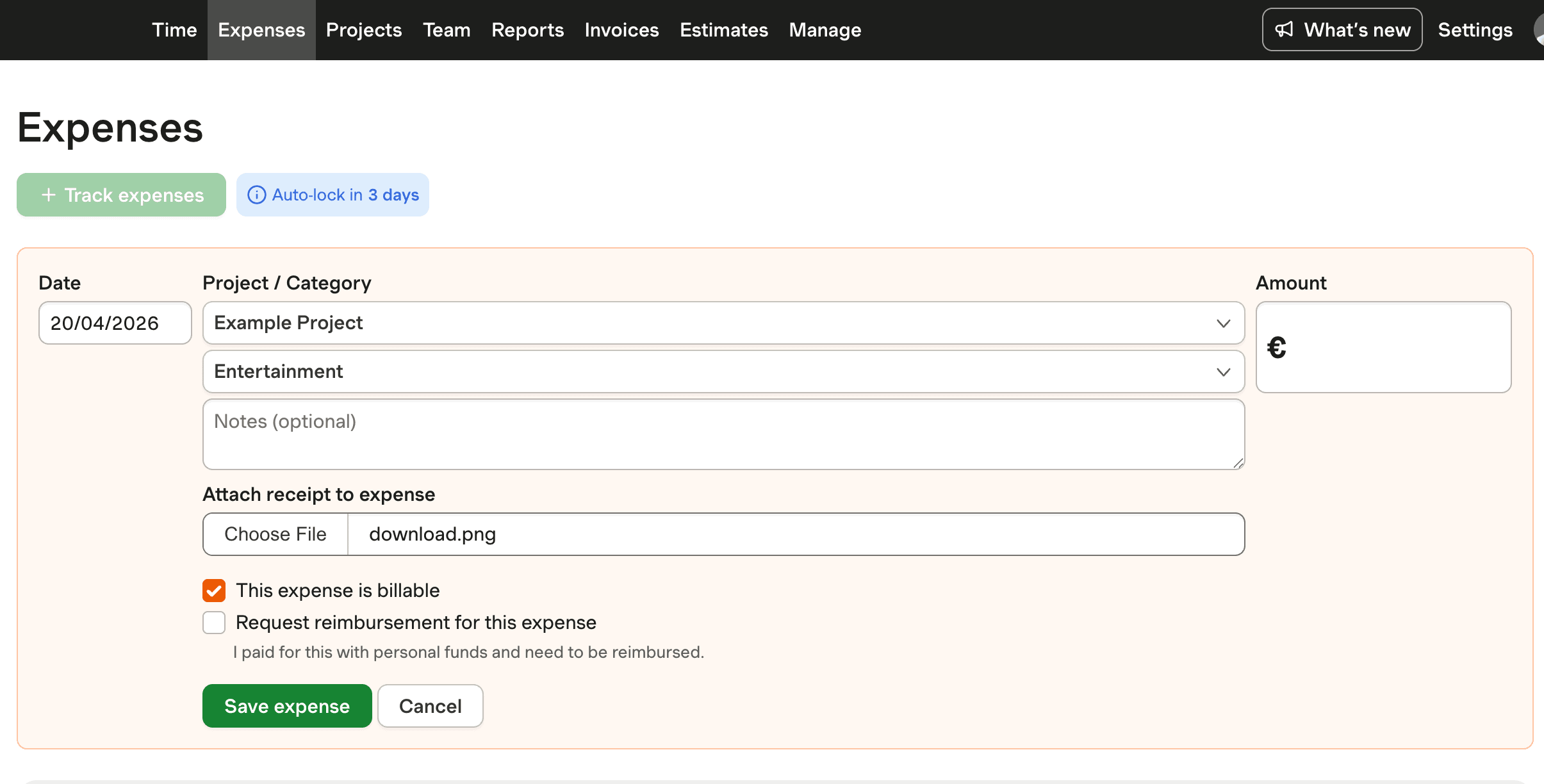
Collecting and categorizing expense data efficiently is crucial for effective analytics. Harvest excels in enabling detailed categorization, allowing users to track expenses by date, project, and category. Administrators can create custom categories, providing granular insights into spending patterns. This feature is particularly beneficial for small-to-medium businesses managing project expenses.

Automating data collection not only enhances accuracy but also saves time. For instance, businesses that automate their expense management report a 35% reduction in costs. Furthermore, the adoption of mobile-based reporting is projected to increase, with 75% of businesses expected to use mobile apps primarily by 2025, reflecting a shift towards more flexible, real-time management solutions.

Improving Financial Decisions with Expense Analytics

Expense analytics plays a pivotal role in enhancing financial decision-making by providing insights into spending behavior. For example, a construction company reduced reconciliation time by 75% after implementing a management solution. Such improvements highlight the importance of having real-time data for better control over expenses.

While Harvest does not offer automated pattern identification, it provides detailed reports that can be exported for further analysis. These reports help identify "cash leakage"—small, unnoticed expenditures that affect savings goals. Regular audits using Harvest's expense tracking can reveal such inefficiencies, assisting organizations in optimizing their financial resources.

Legal and Compliance Considerations in Expense Management

Legal and compliance are critical components of expense management. In the US, non-compliance can lead to severe penalties, including fines and legal consequences. Proper receipt documentation is essential, as the IRS annually questions returns from about 6 million taxpayers. A negligence penalty of 20% often applies when documentation is lacking.

Harvest supports compliance by allowing detailed tracking and categorization of expenses. However, it's crucial for businesses to ensure that they have robust internal processes to mitigate risks associated with poor documentation. Regularly reviewing expense data and adhering to regional legal requirements can safeguard against potential errors and penalties.

Expense Analytics with Harvest

Track and categorize expenses effectively with Harvest's project-based expense tracking. Enhance financial insights and decision-making.

Screenshot of Harvest's expense tracking interface for analytics

Expense Analytics FAQs

  • Expense analytics involves the systematic review of business expenses to identify patterns, inefficiencies, and opportunities for optimization. It helps businesses understand spending behaviors and improve financial management.

  • Expense analytics is crucial for improving financial decision-making. By analyzing spending patterns, businesses can identify inefficiencies, optimize costs, and enhance overall financial performance.

  • Automating expense management can reduce costs by 35% and processing time by 60%. Automation minimizes manual errors, enhances data accuracy, and streamlines expense tracking processes.

  • Harvest enables businesses to track and categorize expenses by date, project, and category. While it doesn't offer automated analytics, it provides detailed reports for further analysis and insights.

  • Compliance in expense reporting requires detailed documentation and adherence to legal standards. Harvest supports this by allowing detailed tracking and categorization, but businesses should ensure robust internal processes for compliance.

  • Common challenges include vague information, human error, and inefficient processes. Up to 19% of expense reports contain mistakes, costing businesses productivity. Automation and structured processes can mitigate these issues.

  • Real-time insights provide immediate visibility into spending patterns, allowing businesses to respond quickly to inefficiencies. This is a top priority for 70% of finance teams seeking to enhance financial control.

  • Trends include a shift towards mobile-based reporting and the integration of AI for predictive insights. By 2025, 75% of businesses are expected to primarily use mobile apps for expense management.