
Harvest
Expenses
Sign up

Expense Distribution Report

Harvest is an ideal project-based expense tracker for small-to-medium businesses that need to manage expenses alongside time tracking, even if it doesn't support complex expense distribution workflows.

EXPENSE REPORT DRAFT

Drop your receipts here or click to upload

Images and PDFs (max 10 MB each)

Date
Category
Merchant
Description
Amount
Total
$0.00

Customise report

Appearance

Show report title

Report settings

Understanding Expense Distribution Reports

An Expense Distribution Report is a critical financial document that provides a detailed breakdown of a company's expenditures, allocating costs to specific departments, projects, or activities. This report plays a crucial role in understanding profitability, controlling costs, and making informed financial decisions. For businesses aiming for transparency, an expense distribution report can highlight areas of excessive spending and potential savings.

One of the major challenges in creating these reports is the significant cost and time associated with manual processing. On average, it costs $58 to process a single expense report manually, which can be reduced to $10.30 with automation. Moreover, manual reporting often takes 20 minutes per report, excluding error correction time. Implementing automation can cut processing times by 67%, significantly boosting productivity.
Creating an Expense Distribution Report

Creating an expense distribution report involves several key steps to ensure accuracy and compliance. The process begins with selecting an appropriate template that aligns with your organization's needs. It's essential to itemize each expense, detailing the date, vendor, category, amount, and purpose. This structured approach not only aids in compliance but also simplifies the approval process.

Despite the move towards digital solutions, a significant portion of companies still rely on manual methods. Between 39% and 47% of companies have adopted expense management software, yet 32% continue with spreadsheets and manual processes. For optimal results, integrating expense management systems with existing accounting software is advised, which facilitates real-time data transfer and reduces errors.

Analyzing Data from Expense Distribution Reports

Once an expense distribution report is created, analyzing the data is the next critical step. This analysis helps in identifying spending patterns that could suggest areas for cost reduction or strategic investment. For example, AI-powered tools have shown a 42% improvement in accuracy, enhancing the ability to forecast costs and suggest lower-cost alternatives.

Real-time visibility into expenses is a top priority for 70% of finance teams, with 87% of CFOs investing in automation to improve accuracy and compliance. Effective analysis of these reports can lead to significant cost savings, improved compliance, and strategic decision-making. However, it's important to note that Harvest excels in tracking project-based expenses but does not support complex distribution workflows.

Leveraging Technology for Expense Reporting

Technology plays a pivotal role in modernizing expense reporting processes. Companies that adopt digital solutions have observed a marked increase in efficiency and accuracy. For instance, cloud-based systems, set to occupy over 60% of the market share by 2026, provide flexible and scalable solutions that adapt to growing business needs.

Automation not only enhances productivity but also supports regulatory compliance. The IRS recognizes electronic systems for expense reporting, provided they document necessary elements like amount, time, and business purpose. Implementing such systems can ensure compliance while reducing the administrative burden on employees.

Expense Distribution Reporting with Harvest

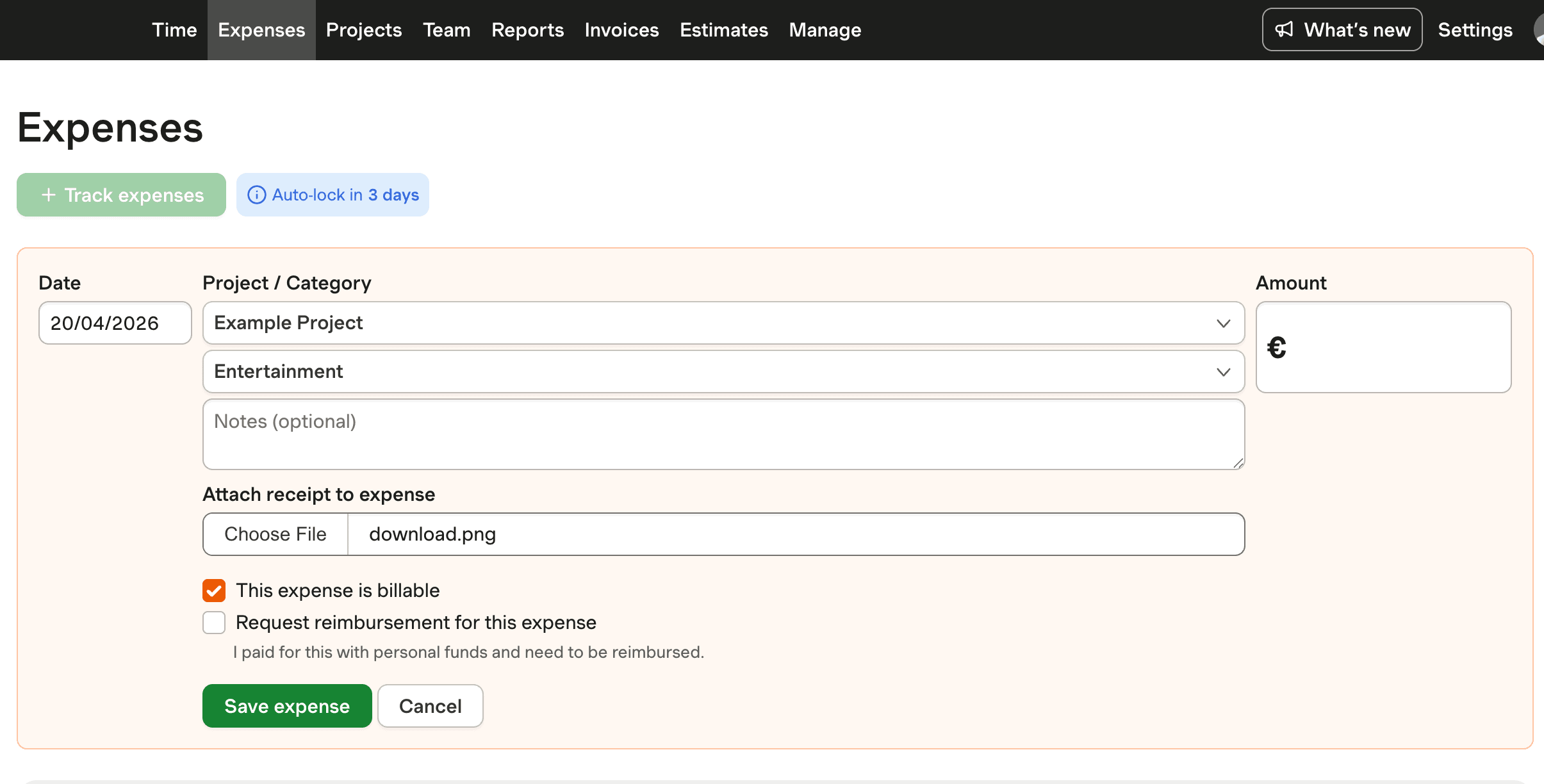
See how Harvest simplifies project-based expense tracking, ideal for understanding and controlling business costs.

Harvest interface showing expense tracking features

Expense Distribution Report FAQs

  • An expense distribution report is a detailed document that breaks down a company's expenditures, allocating costs to specific departments, projects, or activities. It is essential for understanding profitability and controlling costs.

  • To create an expense distribution report, choose an appropriate template, itemize each expense with details like date and purpose, and ensure all data aligns with your organization's financial goals. Automation can streamline this process significantly.

  • Automation reduces the cost of processing a single expense report from $58 to $10.30 and cuts processing time by 67%. It enhances accuracy, reduces manual errors, and improves overall efficiency.

  • Analyzing these reports helps identify spending patterns and areas for cost reduction. AI tools improve accuracy by 42%, aiding in cost forecasting and strategic investment decisions.

  • While Harvest excels in tracking project-based expenses, it does not support complex expense distribution workflows. It is ideal for small-to-medium businesses focusing on project-related expenses.

  • Yes, Harvest can integrate with existing accounting systems, facilitating real-time data transfer, reducing manual data entry, and enhancing overall financial visibility and compliance.

  • Technology, especially automation and cloud-based systems, enhances efficiency and compliance in expense reporting. It reduces the administrative burden and ensures accurate tracking of expenses.

  • Challenges include misplaced receipts, mingling personal and business expenses, and unfamiliarity with policies. These lead to compliance issues and financial inaccuracies.