
Harvest
Expenses
Sign up

Expense Management for Nonprofits

Harvest offers nonprofits the tools to effectively manage expenses through program-based budgeting and detailed expense categorization, ensuring financial transparency and accountability.

  • Attach receipts to projects & tasks
  • Turn tracked expenses into client invoices
  • Free 30-day trial, no credit card needed

or drag & drop • Images and PDFs, max 10 MB

Why Expense Management is Crucial for Nonprofits

Expense management is a critical aspect for nonprofits, as it directly influences their financial health and mission impact. In nonprofits, program expenses typically account for 75-85% of total spending. Effective management of these expenses is essential to maintain transparency and trust with donors. Nonprofits face unique challenges, such as balancing diverse funding streams and adhering to strict compliance requirements. For instance, failing to file Form 990 for three consecutive years can lead to the revocation of tax-exempt status.

Additionally, nonprofits must navigate complexities introduced by the shift to hybrid work models and decentralized spending patterns. Such changes have increased the demand for automation and AI in financial processes, which can lead to significant productivity gains. For example, one organization reduced its month-end close time by nearly 50% after implementing streamlined expense management processes. By adopting efficient expense management practices, nonprofits can ensure they are well-positioned to fulfill their missions effectively.
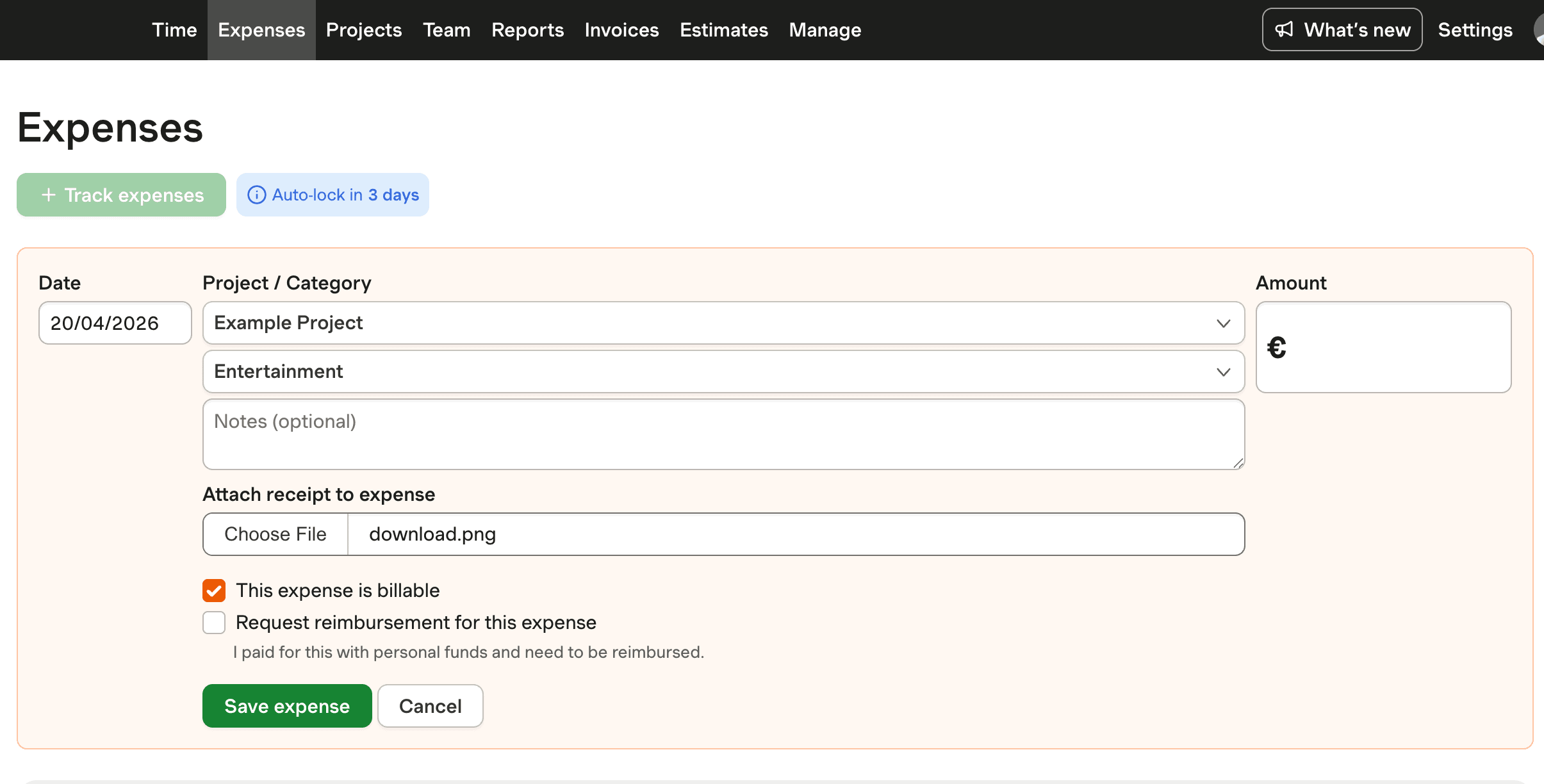
How Harvest Supports Nonprofit Expense Management

Harvest provides a robust solution for nonprofits seeking to streamline their expense management processes. With a focus on program-based budgeting, Harvest allows organizations to allocate expenses directly within project budgets, aligning costs with specific mission goals. This feature is particularly beneficial for nonprofits that need to demonstrate accountability and transparency to donors.

Moreover, Harvest supports detailed categorization of expenses, enabling nonprofits to distinguish between fundraising and operational costs. Such categorization is crucial for accurate financial reporting and compliance. Nonprofits can customize categories to suit their unique needs, ensuring that all expenditures are tracked and reported accurately. By leveraging Harvest’s capabilities, nonprofits can enhance their financial management and focus more on their core missions.

Best Practices for Nonprofit Expense Tracking

Implementing best practices in expense tracking can greatly enhance a nonprofit's financial management. One key strategy is to create program-based budgets, which link spending directly to mission outcomes. Harvest assists in this by allowing expenses to be included in project budgets, providing clarity and accountability for program funds.

Another effective practice is real-time expense tracking, which minimizes delays and errors. While Harvest does not offer real-time insights, its detailed expense reports can be filtered by client, project, person, and date, providing valuable financial visibility. Additionally, enforcing approval workflows and conducting regular audits are essential to maintain financial integrity and donor trust. Through these practices, nonprofits can ensure compliance and optimize their use of funds.

Overcoming Common Nonprofit Expense Challenges

Nonprofits often face challenges such as inconsistent bookkeeping and delayed financial reporting. To overcome these, establishing a regular bookkeeping routine and utilizing cloud-based software like Harvest can automate tracking and reduce errors. Nonprofits frequently struggle with misclassifying restricted and unrestricted funds, which can be mitigated by using separate accounts within the accounting system.

Harvest’s customizable expense categories help in distinctly tracking restricted funds, ensuring compliance with donor requirements. By addressing these common challenges through structured processes and reliable tools, nonprofits can maintain financial stability and focus on their mission-driven activities.

Manage Nonprofit Expenses with Harvest

See how Harvest's program-based budgeting and detailed categorization streamline nonprofit expense management for transparency and accountability.

Harvest expense management dashboard for nonprofits

Expense Management for Nonprofits FAQs

  • Best practices include creating program-based budgets, implementing real-time expense tracking, and conducting regular financial audits. Utilizing software like Harvest can support these practices by offering program-based budgeting and detailed expense categorization.

  • Nonprofits ensure compliance by maintaining accurate records, filing Form 990 annually, and correctly categorizing restricted and unrestricted funds. Harvest facilitates detailed categorization, aiding in compliance and transparency.

  • Common challenges include inconsistent bookkeeping, delayed reporting, and misclassification of funds. Implementing automated systems like Harvest can help overcome these by providing structured tracking and customizable categorization options.

  • Program-based budgeting links spending directly to mission outcomes, enhancing financial clarity and accountability. Harvest supports this by allowing expenses to be included in project budgets, aligning costs with specific goals.

  • Improving transparency involves detailed expense tracking, enforcing approval workflows, and regular financial reviews. Harvest aids transparency with customizable expense categories and comprehensive reporting features.

  • Detailed categorization ensures accurate financial reporting and compliance, distinguishing between fundraising and operational costs. Harvest supports this with custom categories tailored to nonprofit needs.

  • Yes, Harvest allows nonprofits to track expenses within project budgets, providing clarity and accountability for program funds. This supports mission alignment and financial transparency.

  • Technology, like Harvest, streamlines expense management through automation, reducing manual errors and improving efficiency. This allows nonprofits to focus more on their mission-driven activities.