
Harvest
Expenses
Sign up

Expense Tracker for Vendor Management

Businesses lose up to 5% of revenue annually due to expense fraud. Harvest offers a project-based expense tracker to streamline vendor-related expenses.

  • Attach receipts to projects & tasks
  • Turn tracked expenses into client invoices
  • Free 30-day trial, no credit card needed

or drag & drop • Images and PDFs, max 10 MB

The Importance of Effective Vendor Expense Management

Effective vendor expense management is crucial for businesses to avoid unnecessary costs and maximize profitability. U.S. businesses face an annual loss of $7.8 billion due to accounting discrepancies, with 1.5% of outgoing cash often linked to duplicate payments. Moreover, manual expense tracking methods increase the risk of fraud, with 75% of companies reporting heightened fraud risk due to such practices. As businesses shift towards strategic expense management, tools that automate and streamline vendor-related expenses become indispensable.

Harvest offers a project-based expense tracking solution that aids in managing vendor expenses efficiently. While it doesn't provide vendor-specific analytics, Harvest allows businesses to track expenses by project and category, ensuring that every vendor-related cost is accurately recorded and billed. This approach helps reduce the risk of duplicate payments and enhances financial transparency.
Streamlining Vendor Expense Tracking with Harvest

Tracking vendor expenses can be challenging, especially in sectors like construction and technology, where vendor costs can quickly escalate. Typically, 85% of IT purchases are overspent, highlighting the need for precise expense tracking. A common issue is the reliance on spreadsheets, which often results in errors and a lack of real-time financial visibility.

Harvest addresses these challenges by offering an intuitive expense tracking tool that integrates seamlessly with existing project management workflows. By allowing expenses to be recorded and categorized in real-time, Harvest eliminates the errors common to manual methods. Users can easily filter expense reports by client, project, or date, ensuring that all vendor-related expenditures are captured and managed effectively.

Leveraging Technology for Better Expense Management

As businesses continue to adopt mobile expense management solutions, the convenience of tracking expenses on-the-go is becoming a norm. In 2021, mobile apps accounted for 54% of expense report submissions, and by 2025, this is expected to rise to 75%. This shift not only streamlines the expense reporting process but also reduces administrative overhead and environmental impact.

Harvest, available on iOS and Android, embraces this mobile-centric approach, enabling teams to track expenses anytime, anywhere. While it does not offer advanced vendor analytics, its mobile platform supports real-time receipt scanning and data extraction, minimizing the risk of lost receipts and ensuring timely expense submissions.

Compliance and Record-Keeping with Harvest

Maintaining compliance with legal and tax regulations is a significant aspect of vendor management. The IRS requires meticulous documentation of reimbursed expenses, and failure to comply can lead to penalties. Similarly, UK businesses face fines for inadequate record-keeping.

Harvest helps businesses stay compliant by providing features for accurate record-keeping and easy access to past expense data. While it doesn't focus on vendor-specific compliance, Harvest's detailed reporting capabilities ensure that all project and client-related expenses are thoroughly documented, aiding in audit preparation and regulatory compliance.

Optimizing Project Budgets with Harvest

Budget control is a critical component of effective expense management. While Harvest doesn't offer direct vendor budget control, it integrates expenses into project budgets, allowing businesses to manage costs effectively. This integration helps prevent overspending and ensures that every project is completed within its financial limits.

By using Harvest's expense tracking tools, businesses can allocate resources more efficiently, reducing the likelihood of budget overruns. This project-focused approach not only aids in cost control but also supports strategic financial planning, ultimately contributing to business growth and sustainability.

Vendor Expense Tracking with Harvest

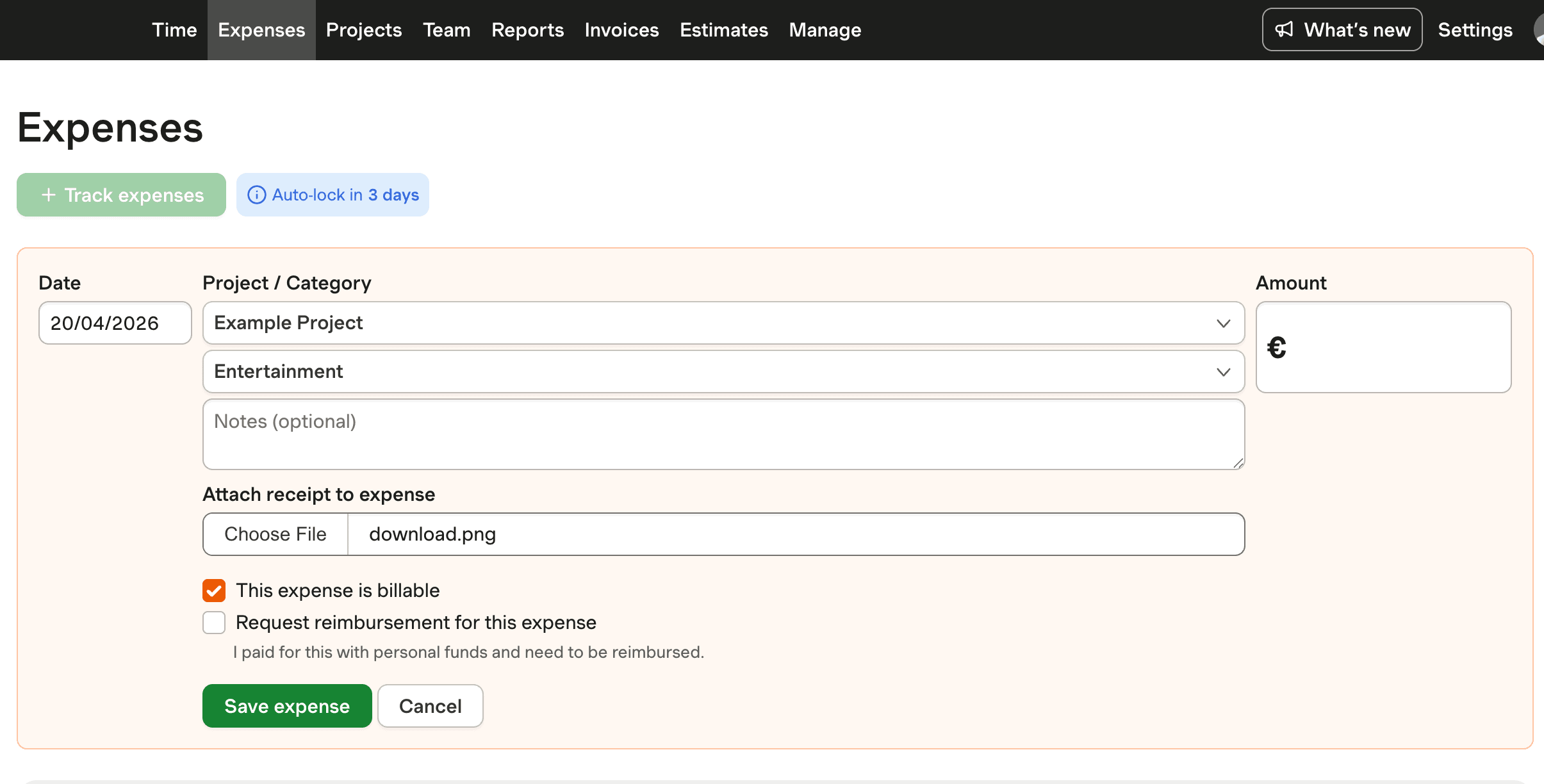
Harvest's interface for tracking vendor-related expenses by project, helping reduce fraud and enhance compliance.

Harvest interface showing project-based expense tracking for vendor management.

Expense Tracker for Vendor Management FAQs

  • Businesses can manage vendor expenses effectively by implementing automated tracking systems that provide real-time data and reduce the risk of errors. Adopting tools like Harvest, which allow expenses to be tracked by project and category, helps ensure accurate billing and financial clarity.

  • Manual expense tracking often leads to errors, lost receipts, and delayed reporting. These issues can result in financial discrepancies and increased fraud risk. Automated tools like Harvest eliminate these risks by providing real-time tracking and data extraction capabilities.

  • Harvest streamlines vendor expense tracking by integrating expenses into project workflows, allowing for real-time data entry and categorization. This reduces errors and enhances financial transparency, ensuring all vendor costs are accurately recorded and billed.

  • Mobile expense management is important because it allows employees to track and submit expenses on-the-go, increasing efficiency and reducing administrative burden. With 75% of businesses expected to use mobile apps by 2025, tools like Harvest support this trend by offering robust mobile capabilities.

  • Harvest supports compliance by offering detailed reporting capabilities that ensure all expenses are accurately documented and readily accessible for audits. This helps businesses meet legal requirements and avoid penalties.

  • Yes, Harvest helps with project budget control by integrating expenses into project budgets. This allows businesses to manage costs effectively and prevent budget overruns, ensuring projects are completed within financial limits.