
Harvest
Expenses
Sign up

Expense Management for Hospitality

Labor costs in hospitality can reach 40% of total expenses. Harvest simplifies expense tracking for small-to-medium businesses, helping manage costs efficiently.

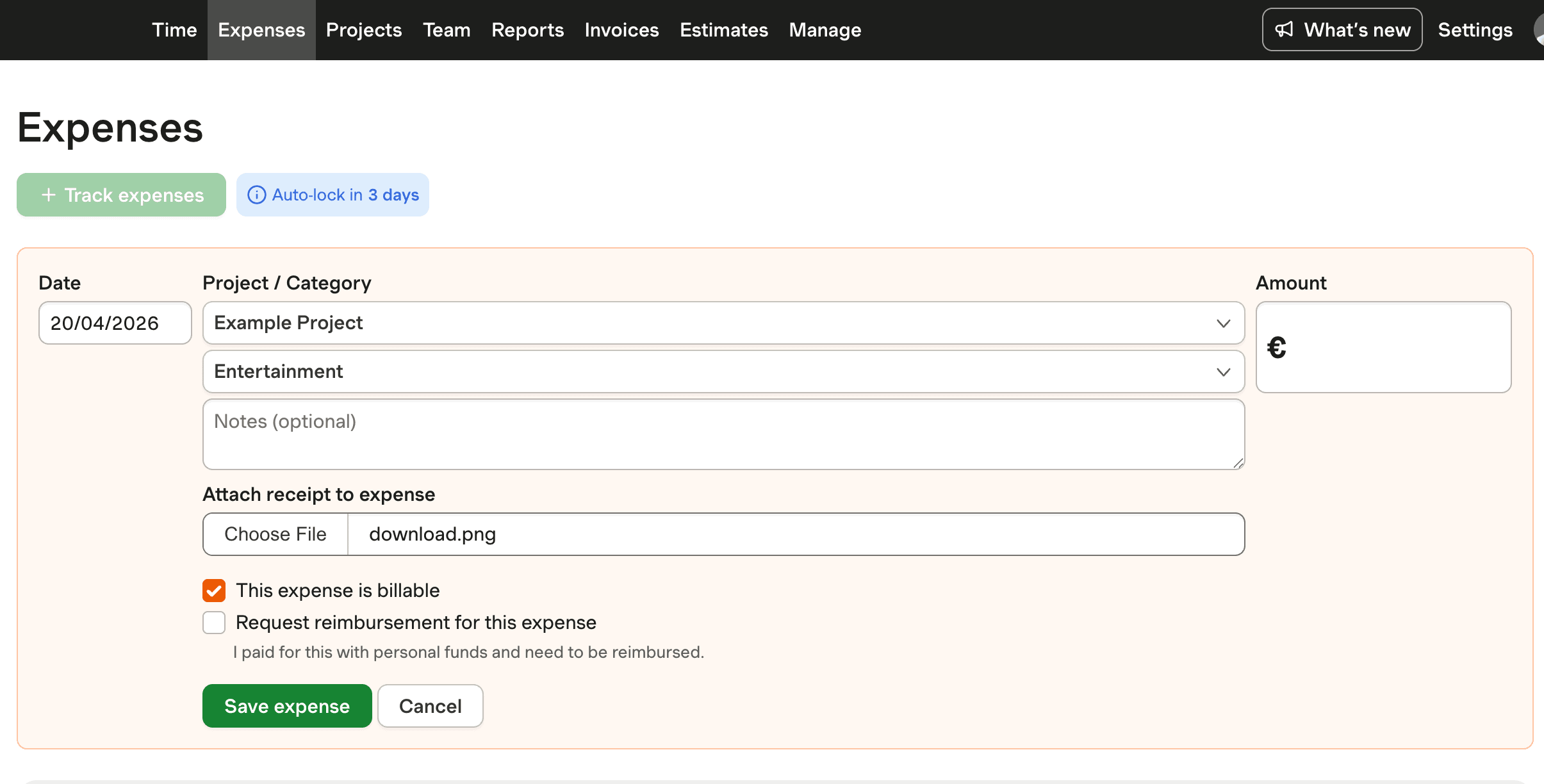
  • Attach receipts to projects & tasks
  • Turn tracked expenses into client invoices
  • Free 30-day trial, no credit card needed

or drag & drop • Images and PDFs, max 10 MB

Challenges in Hospitality Expense Management

Managing expenses in the hospitality industry involves complex dynamics, primarily due to fluctuating labor costs and substantial food and beverage expenditures. Labor costs alone can represent 30% of hotel revenues and 40% of total expenses, making them the largest cost category. Additionally, the need for real-time expense visibility is critical, as 70% of finance teams prioritize this capability to maintain control over finances. As the sector increasingly adopts digital solutions, the demand for comprehensive expense management systems that provide automation and accuracy is on the rise.

Harvest offers a streamlined solution for small-to-medium hospitality businesses, focusing on project-based expense tracking and invoicing. While it doesn't automate vendor bill payments or integrate with ERP systems, Harvest excels in tracking expenses and managing invoices within a project framework, allowing hospitality managers to maintain control over spending without the complexity of enterprise-level systems.
Enhancing Efficiency with Technology

Technological advancements are reshaping the hospitality industry, particularly in terms of improving operational efficiency. For example, U.S. hotels have seen a 5.9% reduction in hours per occupied room due to automation and improved labor utilization. This trend is echoed in the use of AI for customer service, with 89% of hotels now implementing such technologies. The global expense management software market is projected to reach nearly $17 billion by 2032, underscoring the industry's shift toward automation.

Harvest aids in enhancing operational efficiency by simplifying the process of tracking expenses related to specific projects. While it does not offer AI-driven categorization or real-time spend visibility across venues, Harvest enables manual categorization of expenses, helping hospitality operators maintain accurate records and manage cost-efficiency effectively.

Cost Control and Guest Experience

In the hospitality sector, balancing cost control with guest experience is paramount. Industry experts emphasize a strategic allocation of resources and the importance of preventive maintenance to avoid reactive costs. Real-time data analysis and predictive modeling help managers make informed decisions, enhancing both financial performance and guest satisfaction. For instance, hotels leveraging group purchasing organizations (GPOs) can secure competitive prices and achieve significant savings on supplies.

Harvest supports hospitality businesses in maintaining this balance by providing tools for manual tracking of project expenses. Although it doesn't offer features like streamlined approval processes or automated tracking for high transaction volumes, Harvest's focus on simplicity allows businesses to efficiently allocate resources and monitor spending, ensuring a seamless guest experience alongside cost control.

Strategies for Effective Expense Management

Effective expense management in hospitality requires a combination of strategic planning and technological adoption. Implementing digital cost control solutions can help strike a balance between financial performance and guest satisfaction. For instance, aligning staffing levels with demand forecasts through data-driven scheduling can minimize overtime costs. Additionally, integrating expense management solutions with financial systems can reduce manual entry errors and improve operational efficiency.

While Harvest does not integrate with ERP systems, its project-based expense tracking and invoicing capabilities provide a straightforward approach for small-to-medium businesses. By enabling manual entry and categorization of expenses, Harvest allows hospitality operators to maintain accurate financial records and optimize spending without the need for complex integrations.

Expense Management in Hospitality with Harvest

Explore how Harvest helps hospitality businesses track project-based expenses and manage invoices, optimizing cost control.

Harvest interface showing expense management for hospitality

Expense Management for Hospitality FAQs

  • Labor costs in hospitality can account for up to 40% of total expenses. Effective management involves strategic scheduling, cross-training employees, and using technology to align staffing levels with demand forecasts. These strategies help reduce overtime costs and improve operational efficiency.

  • Technology plays a critical role in enhancing efficiency and accuracy in hospitality expense management. Automation and AI-driven solutions help reduce labor hours and improve service delivery, while expense management software provides real-time insights into spending patterns.

  • Harvest aids hospitality businesses by offering project-based expense tracking and invoicing. It allows for manual entry and categorization of expenses, providing a straightforward solution for small-to-medium businesses to maintain accurate financial records.

  • Automated expense management reduces errors, improves compliance, and provides real-time visibility into spending. This helps hospitality businesses optimize costs, improve profitability, and maintain high service standards.

  • Harvest focuses on project-based tracking and invoicing but does not integrate with ERP systems. It provides a simple solution for managing expenses manually, ideal for small-to-medium hospitality businesses.

  • GPOs help hospitality operators by leveraging greater buying power, allowing them to secure competitive prices on products and services. This approach can lead to significant savings on supplies and operational costs.

  • Implementing tiered spending authorizations and real-time approval workflows can enhance expense approval processes. This helps prevent unauthorized spending and budget overruns, ensuring compliance and efficiency.