
Harvest
Expenses
Sign up

Expense Management in D365

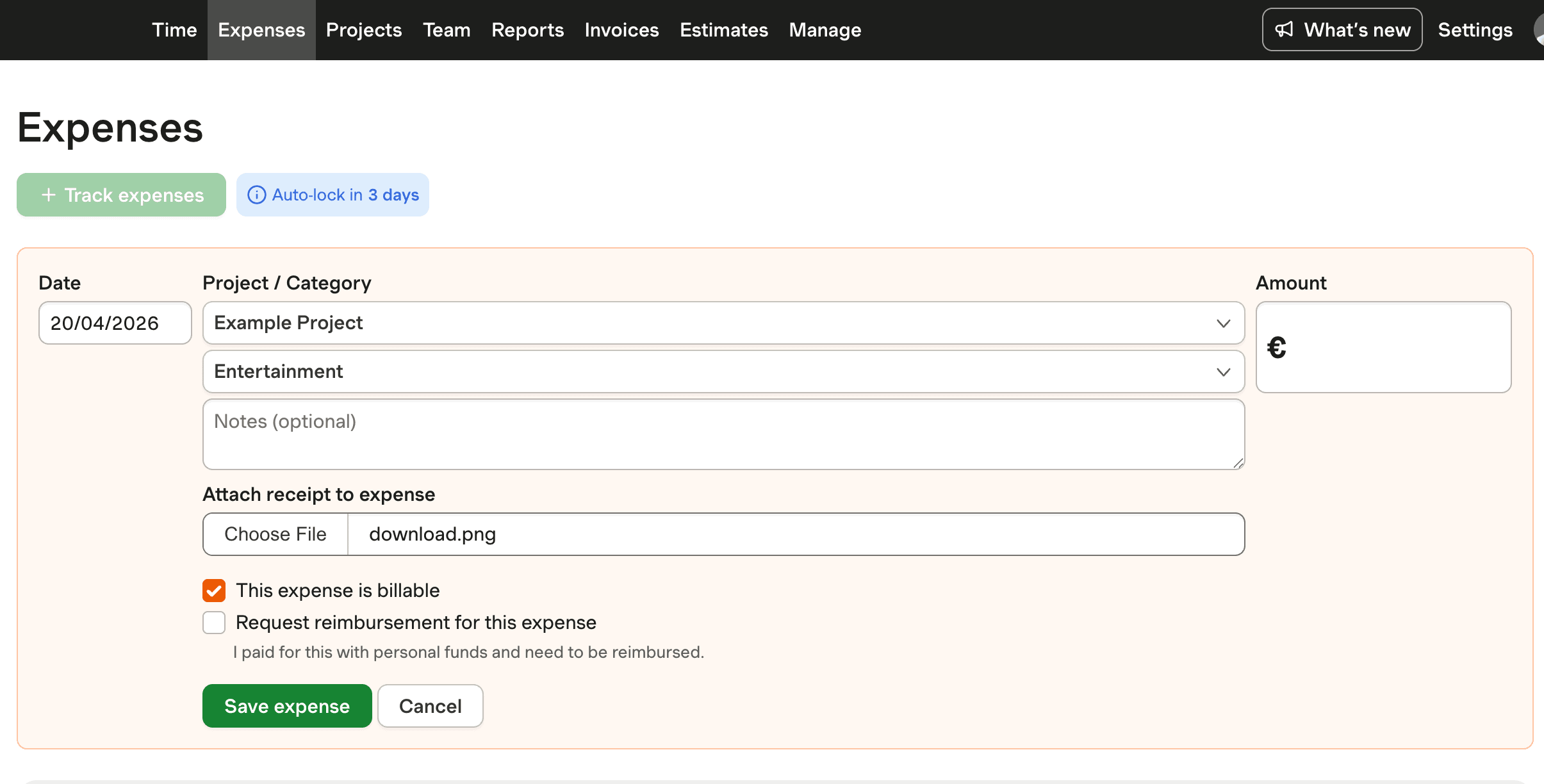
Harvest offers mobile expense management, ideal for businesses seeking project-based tracking with on-the-go access, without complex ERP integrations.

  • Attach receipts to projects & tasks
  • Turn tracked expenses into client invoices
  • Free 30-day trial, no credit card needed

or drag & drop • Images and PDFs, max 10 MB

Understanding the Role of Expense Management in D365

Expense management in Microsoft Dynamics 365 (D365) is a comprehensive solution designed to streamline the tracking, approval, and auditing of expenses within an organization. This module allows businesses to transition from inefficient manual processes to automated workflows, significantly reducing the time and effort required to manage expenses. For instance, organizations that have adopted automated expense systems have seen reconciliation times drop by as much as 75%, cutting the monthly effort from 40 hours to just 10 hours.

With D365, finance teams can gain real-time visibility into expenses, which 70% of finance professionals prioritize. This enhanced visibility not only improves financial oversight but also aids in maintaining compliance with financial regulations, a critical concern for businesses aiming to avoid costly penalties. Moreover, by integrating AI and machine learning, D365 helps detect potential fraud and provides insights for better resource allocation, aligning with the 87% of CFOs investing in expense automation.
Setting Up Expense Management in Dynamics 365

Configuring expense management in Dynamics 365 involves several steps to ensure smooth operation and integration with existing financial processes. First, businesses must define their expense policies clearly, detailing allowable expenses, spending limits, and necessary documentation. Establishing these policies is crucial as it prevents errors and ensures compliance, aligning with expert recommendations for maintaining financial control.

Next, integration with other D365 modules, such as payroll and accounting, is vital for seamless data flow and consistency. Although Harvest does not integrate with D365, it offers mobile accessibility for expense management, allowing users to manage expenses on the go. This feature is essential for businesses with a significant portion of their workforce operating remotely, a trend seen in 57% of companies.

Best Practices for Managing Expenses Using D365

To maximize the benefits of expense management in D365, businesses should adopt best practices that enhance accuracy and efficiency. Regularly reviewing and auditing expenses is one such practice, helping identify cost-saving opportunities and ensuring expenditures align with budgets. This is particularly important as the average company spends around 330 hours annually processing expense reports manually, highlighting the inefficiency of traditional methods.

Another best practice is to provide comprehensive training and support for employees, ensuring they understand how to use the system effectively. This includes tutorials and user guides that explain the importance of categorizing expenses correctly and adhering to company policies. Additionally, issuing corporate credit cards can simplify the reimbursement process, reducing the need for cash advances and leveraging detailed transaction reports for improved spending control.

The Integration Challenge with Dynamics 365

While Dynamics 365 offers robust expense management capabilities, integrating these with other modules like ERP systems can be challenging. Harvest, for example, does not integrate with D365 for a unified financial overview; however, it provides detailed expense reports that can be filtered and exported. This feature supports businesses in tracking spending patterns and maintaining a project-based expense overview.

For companies seeking a solution that seamlessly integrates with their existing D365 setup, it's important to consider the system's ability to adapt to organizational needs. This includes understanding the limitations and ensuring that the chosen tool can provide the necessary insights and data consistency across all financial platforms. Despite these challenges, the growing market for expense management software, projected to reach $17 billion by 2032, indicates an increasing demand for solutions that can meet these complex needs.

Expense Management in D365 with Harvest

See how Harvest's mobile apps streamline project-based expense tracking, ideal for small businesses needing simple solutions.

Harvest mobile UI showing project-based expense tracking.

Expense Management in D365 FAQs

  • Expense management in D365 includes automated workflows, real-time visibility into expenses, and integration with other modules like payroll and accounting. These features help reduce manual processing times and improve compliance.

  • Setting up expense management in D365 involves defining clear expense policies, integrating with other financial modules, and providing training for employees. These steps ensure efficient and compliant expense tracking.

  • Best practices include regular expense audits, employee training, and using corporate credit cards for easier monitoring. These strategies help improve accuracy and control over company expenses.

  • Expense management in D365 integrates with modules like payroll and accounting to provide a unified financial overview, streamline data flow, and ensure consistency across platforms.

  • Automated expense systems reduce processing times, enhance accuracy, and improve compliance. Businesses have reported up to 75% reduction in reconciliation times through automation.

  • AI is used to automate routine tasks, detect fraud, and provide insights for cost control. This helps businesses maintain compliance and make data-driven financial decisions.

  • Harvest does not integrate directly with D365, but it offers mobile apps for on-the-go expense management, making it ideal for small businesses seeking a simpler solution.