
Harvest
Expenses
Sign up

Family Expense Tracker

In today's world of rising household expenses, Harvest offers a glimpse into the power of advanced expense tracking solutions for businesses, highlighting the potential benefits for family finance management.

EXPENSE REPORT DRAFT

Drop your receipts here or click to upload

Images and PDFs (max 10 MB each)

Date
Category
Merchant
Description
Amount
Total
$0.00

Customise report

Appearance

Show report title

Report settings

Understanding the Rise in Household Expenses

Household expenses in the U.S. have been on an upward trend, with the average household spending $77,280 in 2023, marking a 5.9% increase from the previous year. By 2024, this figure climbed further to an average of $6,545 per month. Housing remains the largest expenditure, consistently accounting for about 33% of monthly spending. This upward pressure on household budgets necessitates effective expense tracking and budgeting tools.

Amidst this financial landscape, digital tools are becoming increasingly popular for managing expenses. Although 53.8% of individuals still rely on manual tracking methods, 45.3% now use digital options like budgeting apps and spreadsheets. These tools can transform financial management, with 88% of users finding them very helpful and 80% engaging with them weekly. Harvest, while tailored for business use, exemplifies how advanced tracking solutions can offer insights and control over financial activities.
The Impact of Expense Tracking on Financial Health

Effective expense tracking is pivotal for achieving financial stability. For example, the Patel family successfully saved $8,400 in one year by identifying hidden spending leaks and improving budget accuracy to 95%. Similarly, a college student reduced wasteful spending by $280 monthly, significantly boosting her savings.

Tracking expenses is not just about cutting costs; it's about making informed decisions. Studies reveal that users of financial management applications can reduce unnecessary spending by 25% within six months. Harvest, known for its project-based expense tracking, showcases how detailed tracking can provide clarity and aid in achieving financial goals, even though it primarily serves business needs.

Adopting Digital Tools for Expense Management

The adoption of digital tools for expense management is on the rise, with 20.9% of individuals using budgeting applications and 45.3% utilizing some form of digital tool. Millennials, in particular, are highly engaged with finance apps, appreciating features that offer personalization and real-time tracking.

While Harvest focuses on business expense management, it highlights the effectiveness of comprehensive tracking tools. The platform's ability to manage project-based expenses demonstrates the potential of digital solutions to streamline financial management, albeit with a business rather than a family focus. This shift towards digital is essential as it allows for more accurate, real-time financial insights.

Real-World Strategies for Successful Budgeting

Effective budgeting involves more than just tracking expenses; it requires strategic planning. The Johnson family, for instance, saved $2,000 for a vacation by consistently tracking their expenses. Such examples underscore the importance of setting clear goals and monitoring progress.

Experts advocate for practical strategies like the "pay yourself first" method, where savings and debt payments are prioritized. Additionally, realistic budgeting, which reflects actual spending habits, is crucial for maintaining financial health. While Harvest is tailored for businesses, its emphasis on accurate expense tracking can inspire similar approaches in personal finance.

Involving the Whole Family in Financial Planning

Engaging the entire family in budgeting can enhance financial literacy and foster a sense of collective responsibility. This approach is especially beneficial for multigenerational households, which make up nearly 20% of the U.S. population and face unique financial challenges.

Financial education should start early, with age-appropriate discussions about budgeting and saving. Although Harvest is designed for businesses, the principles of expense tracking and financial planning it embodies can be adapted to suit family needs, fostering a collaborative approach to managing household finances.

Track Family Expenses with Harvest

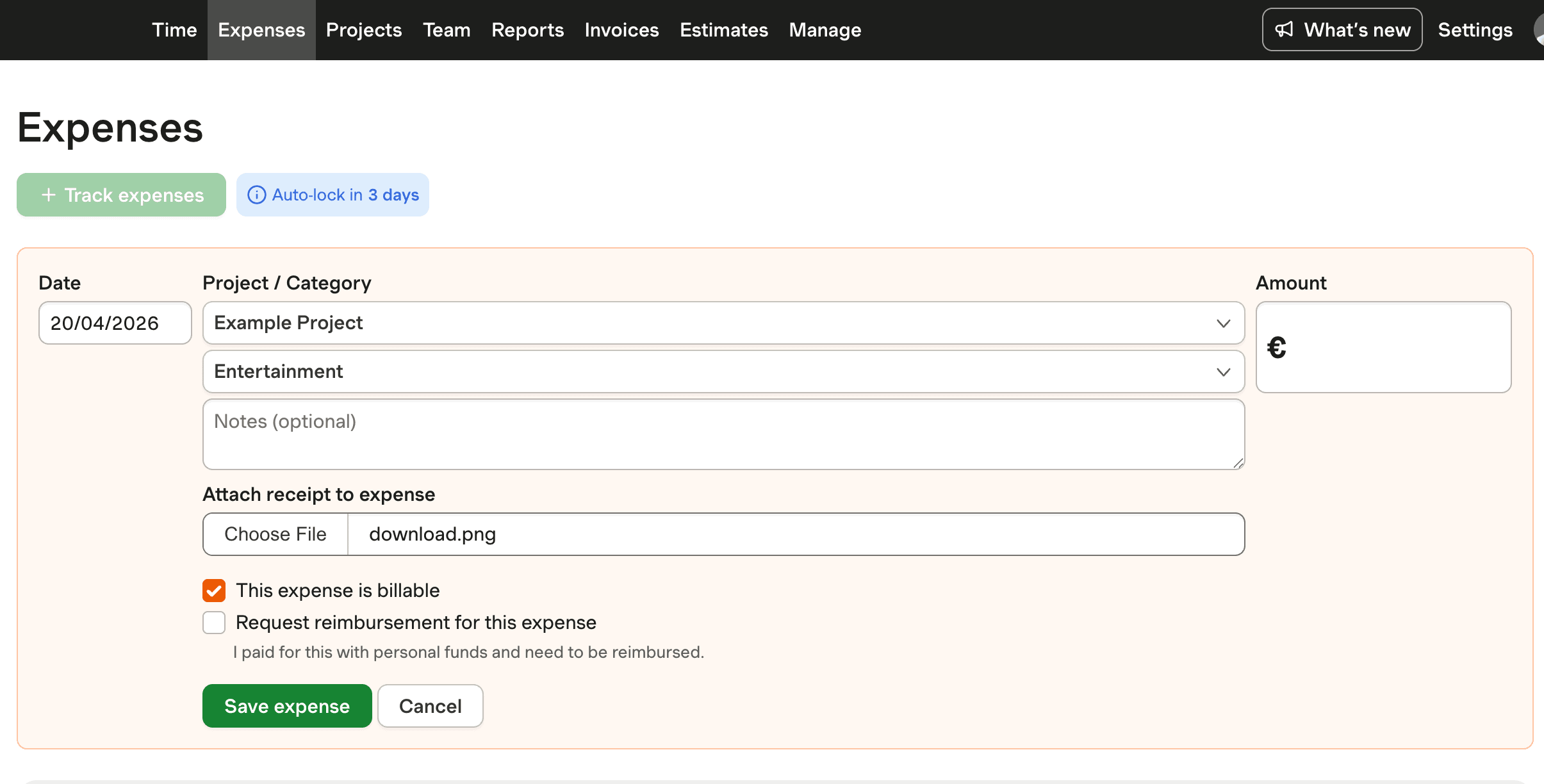
Harvest offers insights into effective expense tracking for families through its advanced business solutions, helping manage rising costs efficiently.

Family expense tracking tools in Harvest

Family Expense Tracker FAQs

  • Effective family expense management starts with tracking every dollar spent. Using digital tools can provide insights into spending patterns, helping identify areas for savings. While Harvest is designed for business expenses, its principles of detailed tracking can be adapted for family use.

  • Budgeting apps can significantly enhance financial awareness and control. Users report an average 25% reduction in unnecessary spending within six months. These apps offer real-time tracking and personalized insights, making them a valuable tool for managing family budgets.

  • Digital tools streamline financial management by providing real-time tracking and detailed reports. They help users stay informed about their spending patterns, enabling more strategic budgeting and financial planning. Harvest's business-focused features illustrate the benefits of comprehensive tracking solutions.

  • Involving the entire family in budgeting fosters financial literacy and shared responsibility. It creates transparency and encourages collaborative financial goal-setting, which can be particularly beneficial in multigenerational households.

  • Strategies such as the "pay yourself first" method and realistic budgeting can help reduce unnecessary spending. These approaches prioritize savings and align spending with actual needs, ensuring financial goals are consistently met.

  • Tracking expenses provides clarity on where money is going, allowing individuals to make informed financial decisions. This awareness helps in setting and reaching financial goals, such as saving for a vacation or building an emergency fund.

  • Millennials are leading the adoption of financial apps, appreciating features like personalization and real-time tracking. Their engagement reflects a trend towards digital solutions for managing personal finances, highlighting the importance of technology in modern financial planning.