
Harvest
Expenses
Sign up

Cloud Expense Management

Harvest allows businesses to allocate cloud-related expenses by project, addressing the pain point of financial accountability in cloud expense management.

  • Attach receipts to projects & tasks
  • Turn tracked expenses into client invoices
  • Free 30-day trial, no credit card needed

or drag & drop • Images and PDFs, max 10 MB

What is Cloud Expense Management?

Cloud expense management is a critical practice focused on optimizing cloud spending, ensuring financial accountability, and maximizing the business value derived from cloud investments. As the global cloud computing industry is projected to exceed $1 trillion by 2027, managing these expenses becomes increasingly important. On average, organizations waste 30% of their cloud spending, making efficient management essential for cost savings.

Organizations struggle with forecasting cloud budgets accurately due to the on-demand nature of cloud services. Structured cloud cost optimization programs can reduce cloud spend by 20–40%. This involves gaining visibility, implementing improvements, and driving continuous cost efficiency. Harvest addresses part of this challenge by offering project-based expense tracking, allowing businesses to allocate cloud-related expenses by project for better financial accountability.
Effective Tools for Cloud Expense Management

Effective cloud expense management requires the right tools to track, analyze, and optimize spending. Approximately 73% of organizations use cloud platforms for real-time expense tracking and reporting. These tools are often integrated with ERP and accounting systems to provide comprehensive visibility and control over cloud expenditures.

While Harvest does not offer real-time analytics for cloud spending, it excels at project-based expense tracking. This feature allows businesses to allocate cloud costs by projects, enhancing financial accountability and enabling better budget management. By using Harvest, you can track expenses more accurately and ensure that every cloud dollar spent aligns with your business objectives.

Optimizing Cloud Spending with Best Practices

Optimizing cloud spending involves implementing best practices that reduce waste and maximize value. Key strategies include analyzing spending data, establishing a clear tagging policy, and automating cost optimization measures. Organizations that adopt these practices can achieve significant savings, with some reducing cloud costs by up to 40%.

Harvest assists in this optimization process by providing detailed expense reports. These reports allow businesses to identify and categorize costs effectively, ensuring that resources are allocated efficiently. Although Harvest doesn't offer automated workflows for cloud cost allocation, its manual tracking and invoicing features empower you to maintain financial control and accountability.

Why Financial Accountability Matters in Cloud Expense Management

Financial accountability is crucial in cloud expense management as cloud costs can become the second-largest expense for midsize companies. Ensuring that every department and project is accountable for its cloud usage helps prevent overspending and promotes efficient resource utilization. Despite significant investments, 64% of organizations cannot accurately forecast cloud budgets, highlighting the need for accountability.

Harvest supports financial accountability by allowing you to allocate cloud costs by project or department. This feature ensures that financial responsibility is shared across teams, enhancing transparency and control over cloud expenditures. By implementing Harvest's project-based tracking, businesses can better manage their budgets and align cloud spending with strategic goals.

Integrating Expense Management with Existing Systems

Integrating cloud expense management with existing systems is essential for streamlined operations and improved financial oversight. While 69% of organizations integrate cloud expense systems with ERP and accounting tools, the challenge remains to achieve seamless integration without disrupting existing workflows.

Although Harvest does not integrate directly with IT management systems, it can copy invoices to QuickBooks Online and Xero, ensuring that financial data is synchronized with your accounting processes. This integration facilitates better financial reporting and decision-making, allowing you to maintain control over your cloud expenses while leveraging existing infrastructure.

Cloud Expense Management with Harvest

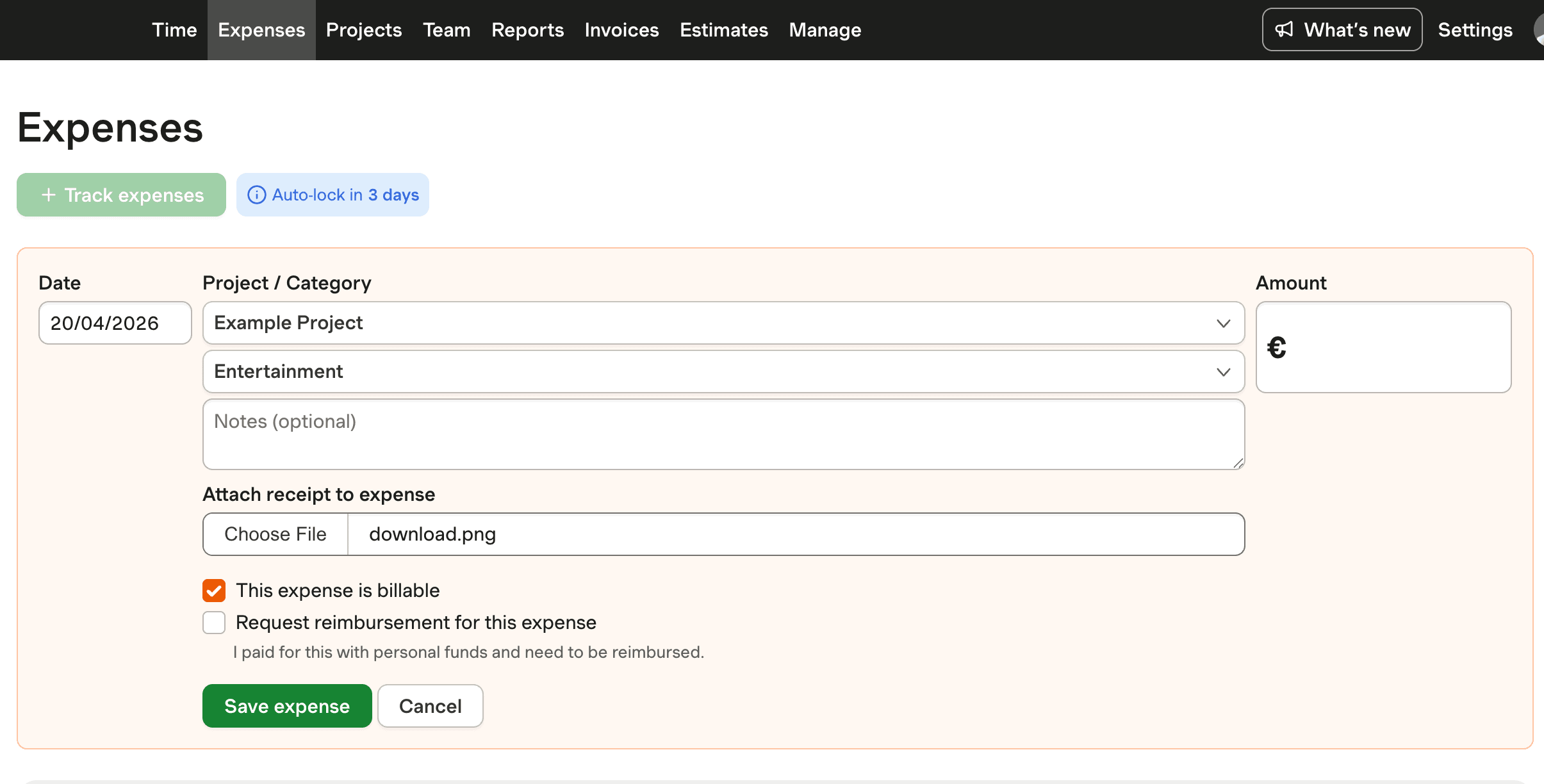
See how Harvest's project-based expense tracking helps manage and optimize cloud expenses. Ensure financial accountability with better cost allocation.

Screenshot of Harvest's project-based expense tracking for cloud expenses.

Cloud Expense Management FAQs

  • To optimize cloud spending, implement a structured optimization program involving visibility, improvement, and continuous monitoring. Organizations using these strategies can reduce costs by 20-40%. Harvest aids this by offering detailed expense reports to track and manage costs effectively.

  • Best practices include establishing a tagging policy, automating cost optimization, and implementing chargeback models. Organizations following these can achieve significant savings. Harvest supports cost management through project-based expense tracking, enhancing financial accountability.

  • Harvest supports cloud expense management by enabling project-based expense tracking and allocation. This ensures financial accountability and helps businesses manage their cloud budgets effectively, aligning expenses with strategic goals.

  • Yes, Harvest can integrate with QuickBooks Online and Xero, allowing you to synchronize invoices and financial data. This integration helps streamline financial reporting and maintain control over cloud expenses.

  • Financial accountability prevents overspending and promotes efficient resource use. With cloud costs being a significant expense, ensuring departments are accountable for their usage helps manage budgets effectively. Harvest facilitates this with project-based cost allocation.

  • It's estimated that organizations waste 30% of their cloud spending. Implementing structured cost optimization programs can help reduce this waste, achieving savings of up to 40%.

  • Harvest allows businesses to allocate cloud expenses by project, which enhances financial accountability and ensures that cloud spending aligns with business objectives. This project-based tracking is crucial for effective budget management.

  • The cloud-based expense management software market is expected to grow to USD 18.52 billion by 2033, with a compound annual growth rate of 10.25% to 14.27%.