
Harvest
Expenses
Sign up

Expense Report for Contractors

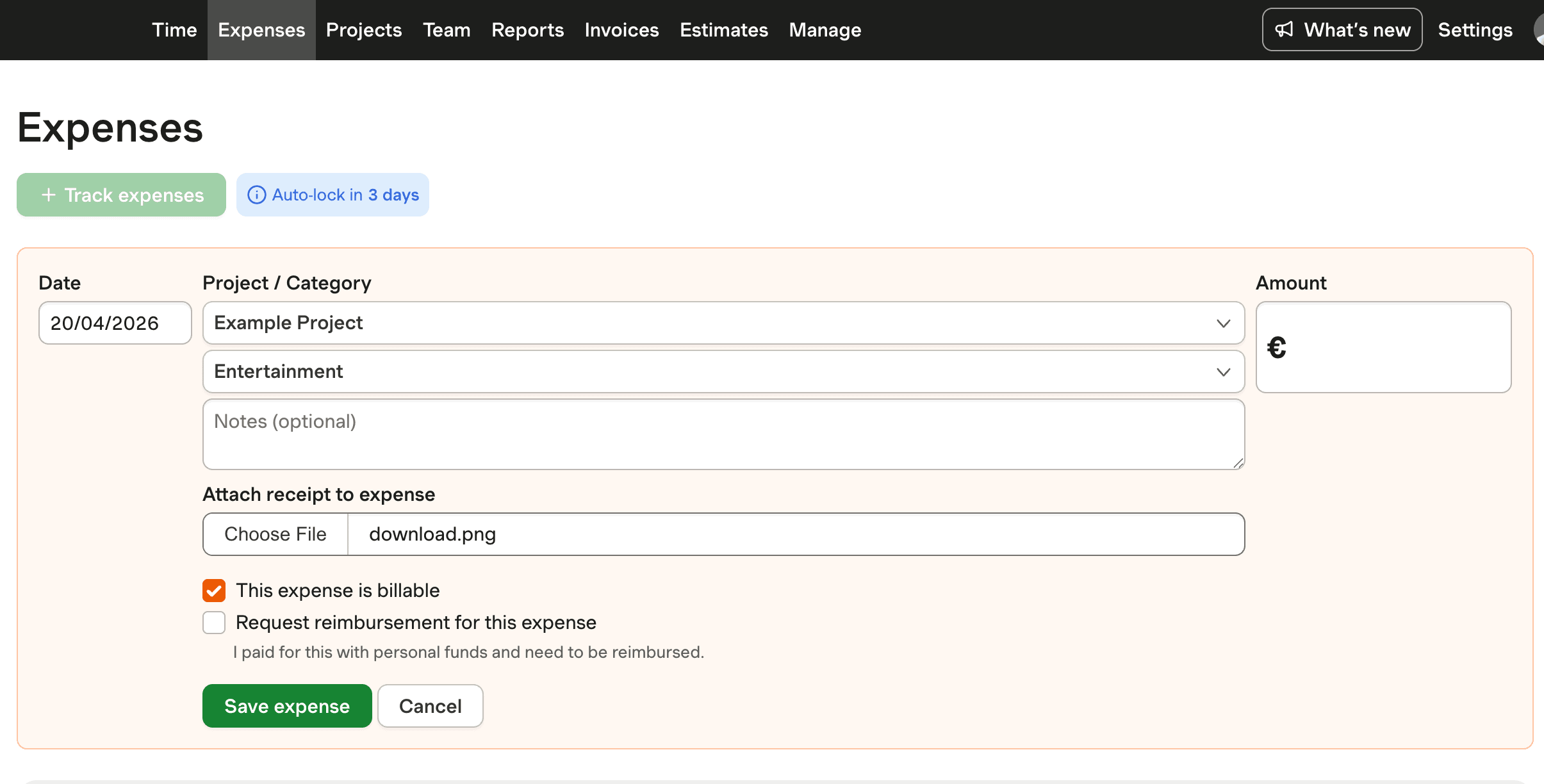
Manage your contractor expenses efficiently with Harvest. Track project costs with ease and reduce manual errors by transitioning to digital workflows.

EXPENSE REPORT DRAFT

Drop your receipts here or click to upload

Images and PDFs (max 10 MB each)

Date
Category
Merchant
Description
Amount
Total
$0.00

Customise report

Appearance

Show report title

Report settings

Understanding Contractor Expense Reports

Contractor expense reports are vital tools for managing project costs and ensuring accurate financial tracking. They encompass all expenses related to a contractor's work, including labor, materials, and equipment costs. Given the complexity of contractor work, these reports must be comprehensive and detailed, providing a clear record of every expense incurred.

Industry research shows that manual expense reporting can be costly and error-prone, with each manual expense potentially costing $27 to $58, and error correction adding an extra $52 per mistake. The transition to automated systems has allowed businesses to save 40 to 70 hours per month, highlighting the benefits of adopting digital workflows. Harvest offers tools that facilitate this shift by allowing contractors to itemize and track expenses effectively, thus reducing the administrative burden.
Key Components of a Contractor Expense Report

An effective contractor expense report includes several key components. First, it must clearly outline all project-related expenses, such as labor, materials, and subcontractor costs. According to IRS guidelines, expenses must have a clear business connection and be substantiated with adequate proof, typically within 60 days.

Additionally, it is crucial to ensure that expenses are categorized correctly to prevent misclassification risks. For example, reimbursing a contractor for project-specific software is legitimate, but paying for general business overhead like internet costs is not. Harvest aids in this process by offering tools for organizing expenses and creating detailed breakdowns of project phases and associated costs, ensuring accurate budgeting and compliance with IRS requirements.

Best Practices for Managing Contractor Expenses

Managing contractor expenses effectively requires a combination of clear policies and efficient systems. One best practice is to automate the capture and categorization of expenses to avoid common errors. Mobile apps now account for 54% of expense report submissions, demonstrating the shift towards digital solutions.

Harvest provides a robust platform for tracking contractor expenses, integrating seamlessly with accounting software to eliminate manual data entry. This integration helps reduce errors and provides real-time financial visibility, essential for maintaining control over project budgets. By using Harvest, contractors can streamline their expense reporting process, ensuring timely submissions and accurate financial records.

Automating Expense Reporting with Harvest

Automating expense reporting can significantly enhance productivity and accuracy. By 2025, 90% of businesses are expected to eliminate paper-based processes, underscoring the importance of digital transformation. Automation not only saves time but also reduces errors, with automated systems minimizing policy compliance errors to nearly zero.

Harvest supports this automation trend by offering tools that help contractors track expenses related to subcontractor work and reimbursements efficiently. By providing a platform that integrates with accounting systems, Harvest allows contractors to manage expenses in real-time, ensuring that project budgets are adhered to and financial records remain accurate.

Overcoming Compliance Challenges in Expense Reporting

Compliance with expense reporting regulations is a critical concern for contractors. Under IRS guidelines, reimbursements must be handled under an "accountable plan" to be non-taxable. This requires documenting expenses with clear business purposes and maintaining records for at least three years.

Harvest aids contractors in maintaining compliance by offering detailed tools for tracking project costs and creating billable expense entries. However, it does not provide compliance features for industry-specific regulations. Contractors must ensure they follow proper documentation and retention practices to meet legal requirements while using Harvest to streamline their tracking and reporting processes.

Streamline Expenses with Harvest

See how Harvest simplifies expense tracking for contractors. Track costs and manage budgets efficiently.

Harvest expense report tool for contractors

Expense Report for Contractors FAQs

  • An effective contractor expense report should include all project-related costs such as labor, materials, and subcontractor expenses. Ensure each expense is clearly documented with a business purpose and substantiated with receipts or other proof.

  • Contractors can automate expense reporting by using digital tools like Harvest, which helps capture and categorize expenses efficiently. Automation reduces errors and saves time, allowing for real-time financial tracking.

  • Manual expense reporting is prone to errors and can be costly. Each error correction can cost businesses an additional $52, and manual processes can lead to missing receipts and data entry mistakes. Automation can significantly mitigate these risks.

  • Harvest aids contractors by providing tools to itemize and track expenses, integrate with accounting software, and manage project budgets. It reduces manual errors and improves financial visibility.

  • The IRS requires that contractor expense reimbursements be handled under an "accountable plan." This means expenses must have a business connection, be substantiated within a reasonable time, and any excess allowance must be returned.

  • Automating expense management saves time and reduces errors, with businesses typically saving 40 to 70 hours per month. It also improves compliance and provides real-time financial insights.

  • Yes, Harvest integrates with accounting software, allowing contractors to streamline data entry and maintain accurate financial records. This integration helps reduce errors and improve efficiency.