
Harvest
Expenses
Sign up

How to Track Mileage for Tax Deduction

Harvest helps contractors manage expenses and financial workflows, ensuring clarity between business and personal expenses, which is crucial for accurate tax reporting.

EXPENSE REPORT DRAFT

Drop your receipts here or click to upload

Images and PDFs (max 10 MB each)

Date
Category
Merchant
Description
Amount
Total
$0.00

Customise report

Appearance

Show report title

Report settings

Understanding IRS Mileage Requirements

The IRS requires meticulous documentation for mileage deductions to ensure compliance and accuracy. A compliant mileage log should include the date, destination, business purpose, miles driven, and annual odometer readings for each business trip. Failure to maintain these records could result in denied deductions and penalties. In fact, inaccurate mileage records can trigger a 25% accuracy penalty on top of additional tax and interest.

For U.S. taxpayers, it's crucial to maintain contemporaneous records, meaning the logs must be created at or near the time of travel. Reconstructed records are a significant audit red flag. To avoid potential issues, logs should be kept for at least three years from the tax return filing date, though many tax professionals recommend retaining them for up to seven years. This helps ensure that the records are available for review if needed.
Methods for Tracking Mileage

Tracking mileage accurately is essential for maximizing tax deductions and maintaining compliance with IRS requirements. There are two primary methods to calculate vehicle deductions: the standard mileage rate and the actual expense method. The standard mileage rate is often simpler as it covers all vehicle costs, while the actual expense method requires detailed tracking of all vehicle-related expenses.

Using a digital mileage tracking solution can streamline this process. Automated platforms with GPS tracking can eliminate manual errors and ensure accuracy. For example, companies that adopt digital mileage capture often see a 25% reduction in mileage overclaims within the first year, and some recover up to 42 driver hours per employee annually by automating trip logs. This not only ensures compliance but also optimizes operational efficiency.

Leveraging Technology for Mileage Tracking

With the rapid advancement of technology, digital tools have become integral in tracking mileage efficiently. Automated mileage tracking platforms provide real-time logging, classification of trips, and generation of audit-ready reports. Such systems can significantly reduce administrative tasks and ensure compliance with tax regulations.

Although Harvest does not provide automatic mileage tracking, it supports contractors and service businesses by tracking expenses and managing financial workflows. By maintaining clarity between business and personal expenses, Harvest helps users keep organized records which are crucial for accurate tax reporting. This separation can be particularly useful for maintaining clear financial documentation, even if mileage tracking is handled separately.

Practical Tips for Maintaining Mileage Logs

Maintaining a precise mileage log requires diligence and attention to detail. Here are some practical tips to help ensure compliance and accuracy:

  1. Record details contemporaneously: Log the date, starting point, destination, business purpose, and miles driven for each trip immediately after travel.
  2. Differentiating trip types: Clearly separate business, personal, medical, moving, and charitable miles, as commuting is generally not deductible.
  3. Use the correct IRS rate: For 2025, the business mileage rate is $0.70 per mile, which should be used to calculate deductions.
  4. Retain supporting documents: Keep receipts for tolls and parking fees; these can be deducted in addition to the standard mileage rate.

Despite Harvest not offering specific mileage tracking features, its expense management capabilities can assist in maintaining organized financial records, which is crucial for tax preparation.

Track Expenses with Harvest

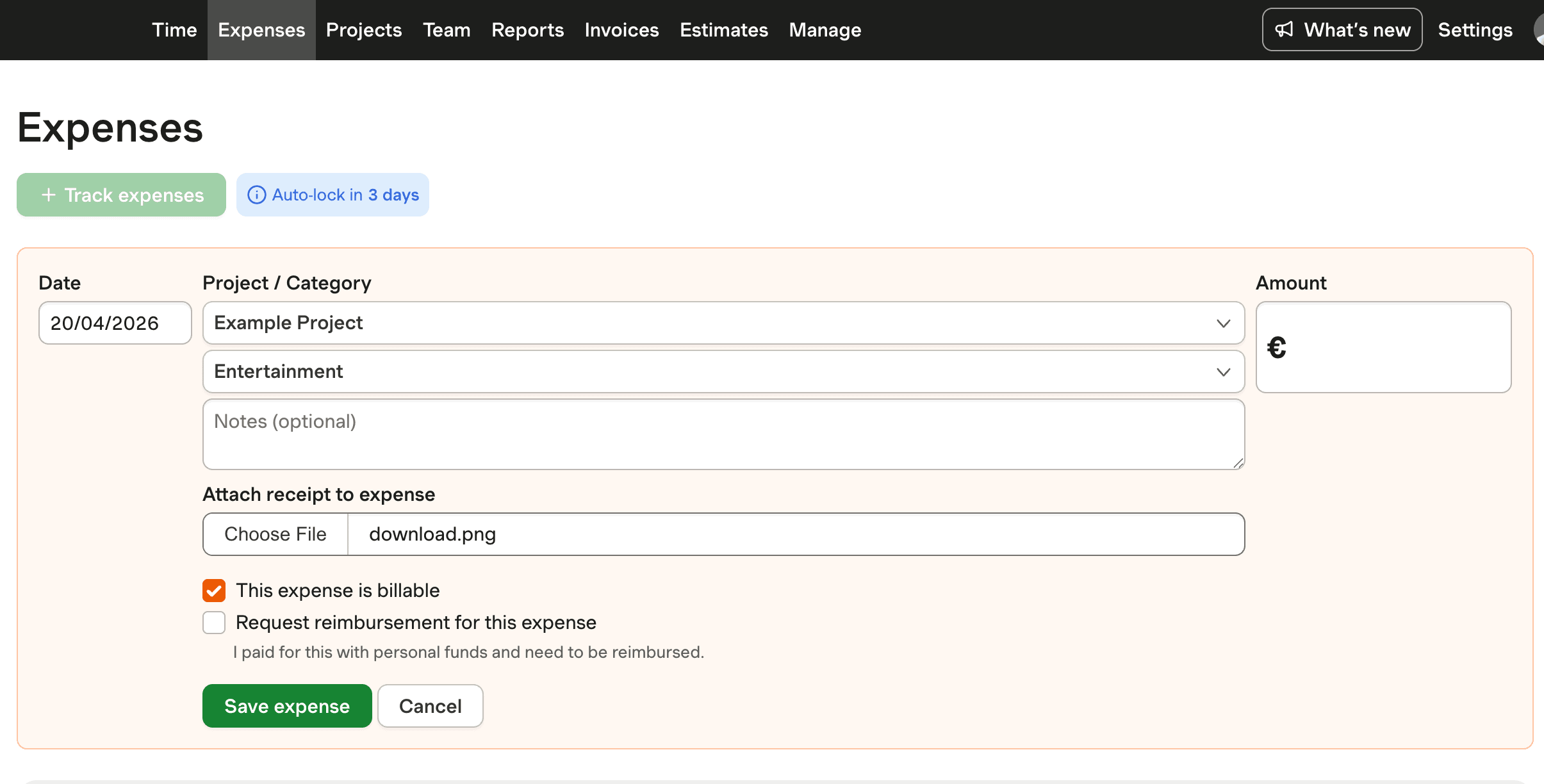
See how Harvest's expense tracking helps separate business and personal accounts for clear financial documentation.

Screenshot showing Harvest's expense tracking interface for tax deduction context

How to Track Mileage for Tax Deduction FAQs

  • The IRS requires a mileage log to include the date, destination, business purpose, miles driven, and annual odometer readings. These records must be contemporaneous, meaning created at or near the time of travel.

  • To maintain a mileage log, record all trip details immediately after travel, including the date, start and end points, purpose, and miles driven. Use a digital app for accuracy and convenience.

  • Deductible mileage includes business trips, medical travel, moving expenses (for certain taxpayers), and charitable activities. Commuting miles are generally not deductible.

  • Digital mileage tracking solutions offer real-time GPS tracking, automatic trip logging, and classification, helping to ensure accuracy and compliance. Automating this process reduces errors and administrative tasks.

  • Separating business and personal expenses ensures clarity in financial records, aids in accurate tax reporting, and helps avoid IRS scrutiny. Harvest supports maintaining separate accounts for this purpose.

  • Digital mileage tracking can reduce errors, streamline reimbursement processes, and cut administrative tasks. Businesses often report a 25% reduction in overclaims with automated systems.

  • Harvest helps contractors manage expenses and financial workflows, facilitating the separation of business and personal financial activities, which is crucial for organized tax reporting.