
Harvest
Expenses
Sign up

Expense Report for Pharmaceutical

Harvest simplifies expense tracking for pharmaceutical companies, particularly in clinical trials and research activities, ensuring organized and efficient financial management.

EXPENSE REPORT DRAFT

Drop your receipts here or click to upload

Images and PDFs (max 10 MB each)

Date
Category
Merchant
Description
Amount
Total
$0.00

Customise report

Appearance

Show report title

Report settings

Understanding Pharmaceutical Expense Reporting

Pharmaceutical companies face unique challenges in expense reporting due to strict regulatory requirements and the complex nature of their operations. The industry has seen a significant increase in expenditures, with overall pharmaceutical spending in the US growing by 7.7% in 2021 to reach $576.9 billion. This financial complexity necessitates precise documentation and compliance with regulations like the Sunshine Act and FDA audit mandates. Failure to adhere to these can result in substantial penalties, with companies having paid $62.3 billion in fines over the last three decades due to deficiencies in tracking systems.

Effective expense management is critical, not only for compliance but also for strategic financial planning. Automation of repetitive tasks within expense management can reduce manual effort and processing costs, enabling teams to focus on strategic analysis. Despite these needs, only 10% of pharmaceutical executives have adopted large-scale zero-based budgeting (ZBB) programs, which could deliver up to 25% in cost savings. Understanding these dynamics is essential for creating a robust expense report that meets industry standards.
Key Components of a Pharmaceutical Expense Report

Creating an expense report in the pharmaceutical industry involves several key components, each crucial for ensuring both compliance and financial accuracy. At its core, the report should include detailed documentation of expenditures related to research, clinical trials, and interactions with healthcare professionals. This is especially important as prescription drug spending alone increased by 11.4% in 2024, highlighting the need for accurate financial tracking.

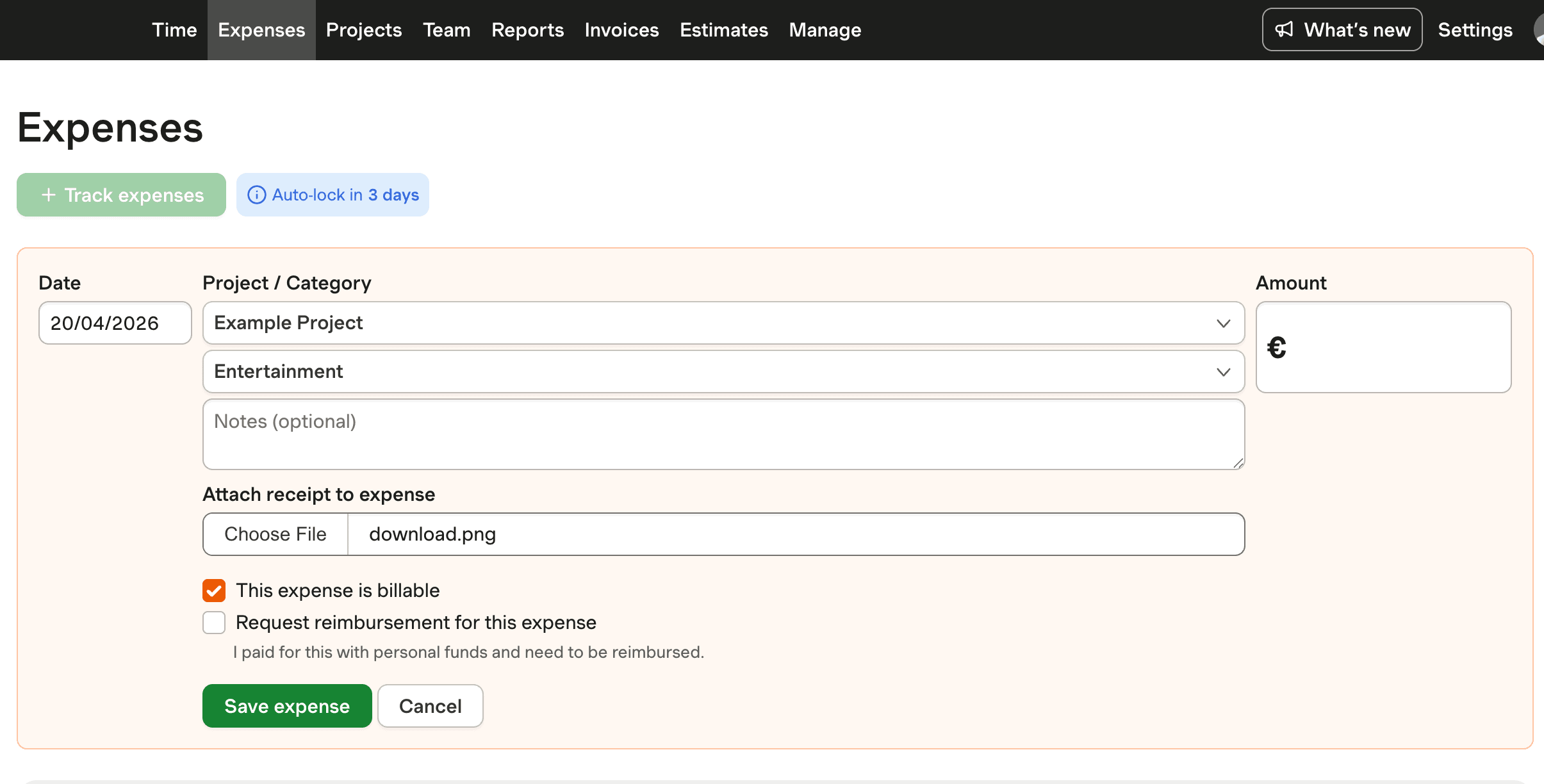
The use of a Standard Fare Chart (SFC) is a common practice to ensure consistent policy application and minimize disputes over travel claims. Additionally, modern expense management systems utilize automated calculations based on GPS data and daily call reports, allowing for more efficient expense tracking. Although Harvest does not offer customizable workflows or regulatory compliance features specifically for pharmaceutical expenses, it excels in tracking expenses related to clinical trials and research activities by date, project, and category.

Streamlining Expense Management with Harvest

While Harvest is tailored more towards small-to-medium businesses, it provides essential tools for straightforward project-based expense tracking, which can be beneficial for pharmaceutical companies focusing on clinical trials and research activities. Harvest enables users to track expenses by date, project, and category, facilitating organized financial management even in complex environments.

For companies seeking to enhance their expense management practices, Harvest offers an easy-to-use interface that integrates seamlessly into existing workflows. Although it may not support advanced analytics or regulatory compliance, its focus on basic expense tracking and invoicing makes it a practical choice for businesses seeking to improve operational transparency and cost control without extensive setup.

Best Practices for Pharmaceutical Expense Management

Implementing best practices in pharmaceutical expense management can significantly enhance efficiency and compliance. Companies are advised to automate repetitive tasks, which can lower processing costs and free finance teams to engage in strategic analysis. Real-time tracking of expenditures can quickly identify spending trends and anomalies, proving essential for financial oversight.

Additionally, leveraging AI-driven insights can help identify potential cost-saving opportunities. By integrating these practices, pharmaceutical companies can not only streamline their operations but also ensure adherence to regulatory guidelines. Although Harvest does not offer advanced analytics or compliance features, its core capabilities in tracking expenses related to research activities can support these best practices effectively.

Harvest for Pharmaceutical Expense Reports

Explore how Harvest can streamline expense tracking for pharmaceutical research and trials. Tailored for project-based tracking in the industry.

Harvest expense tracking for pharmaceutical industry

Expense Report for Pharmaceutical FAQs

  • Pharmaceutical expense reporting involves adhering to regulations such as the Sunshine Act and FDA audit mandates, requiring precise documentation for research and clinical trials. Companies have faced significant penalties for non-compliance, totaling $62.3 billion over three decades.

  • Tracking research expenses accurately involves using detailed documentation and automated systems to calculate and validate costs. Harvest offers tools to track expenses by project, date, and category, which can be valuable for research activities.

  • Software solutions like Harvest provide essential tools for tracking expenses related to research and clinical trials. While not tailored for regulatory compliance, Harvest offers project-based expense tracking that can aid in organized financial management.

  • Best practices include automating repetitive tasks, using real-time tracking for expenditures, and leveraging AI insights for cost-saving opportunities. These practices enhance compliance and financial oversight in the pharmaceutical sector.

  • Harvest supports pharmaceutical expense tracking by enabling users to monitor costs by date, project, and category. This focus on project-based tracking is particularly useful for managing expenses related to clinical trials and research activities.

  • Accurate expense reporting is crucial due to the high stakes of regulatory compliance. Inaccuracies can lead to substantial fines and affect financial transparency. Efficient expense management supports strategic decision-making and compliance.

  • Automation in pharmaceutical expense management reduces manual efforts, improves accuracy, and decreases processing costs, allowing teams to focus on strategic financial analysis and enhancing compliance with regulatory standards.