
Harvest
Expenses
Sign up

Expense Tracker for Pharmaceutical

Harvest offers a simple expense tracking solution ideal for small-to-medium businesses, though it may not meet the complex compliance needs of the pharmaceutical industry.

  • Attach receipts to projects & tasks
  • Turn tracked expenses into client invoices
  • Free 30-day trial, no credit card needed

or drag & drop • Images and PDFs, max 10 MB

Challenges of Expense Tracking in the Pharmaceutical Industry

Expense tracking in the pharmaceutical industry is fraught with challenges, primarily due to the complexity of compliance and the high costs associated with drug development. In 2021, pharmaceutical expenditures in the US grew by 7.7%, reaching a staggering $576.9 billion. This increase underscores the need for precise and efficient expense management systems to handle the intricate financial transactions within the industry. Companies often face penalties, as evidenced by $62.3 billion in fines incurred over three decades due to inadequate tracking and reporting systems.

Manual tracking methods are not only time-consuming but also prone to errors, which can lead to significant financial and reputational risks. For example, the Sunshine Act in the US mandates detailed reporting of financial interactions with healthcare professionals, with penalties for non-compliance reaching up to $115,240 per violation. This regulatory environment necessitates a robust, automated expense tracking solution that can ensure compliance and accuracy.
Embracing Automation for Efficient Expense Management

In the pharmaceutical sector, the shift from manual to automated expense management is crucial for enhancing accuracy and compliance. Automated systems have been shown to reduce the time required to fill out expense reports by 43%, thereby boosting employee productivity. By automating processes, companies can eliminate the errors associated with manual entry and streamline their financial operations.

Automated expense trackers offer real-time visibility into spending patterns and compliance, which is essential for meeting the stringent requirements of the pharmaceutical industry. For instance, medical representatives incur various expenses like travel and accommodation, and automation helps track these expenses in real time, preventing overspending and ensuring timely reimbursements. Harvest, while not equipped for the specific compliance needs of the pharmaceutical industry, offers project-based expense tracking that can be beneficial for small-to-medium businesses seeking basic automation features.

Regulatory Compliance: A Key Consideration

Compliance with regulations such as the Sunshine Act is a critical component of expense tracking in pharmaceuticals. This act requires detailed reporting of financial transactions with healthcare professionals, imposing penalties for non-compliance that can reach millions of dollars annually. For pharmaceutical companies, this means that their expense management systems must be capable of handling detailed documentation and reporting requirements.

While Harvest does not specifically cater to the complex compliance needs of the pharmaceutical industry, it does provide a straightforward solution for businesses looking to manage project-related expenses. Companies in the pharmaceutical sector must consider specialized solutions tailored to meet regional and international compliance standards to avoid financial penalties and maintain their reputational integrity.

The Importance of Integration and Data Analytics

Integrating expense management solutions with existing systems like ERP, CRM, and CTMS is vital for creating a unified financial overview. This integration helps prevent data silos and provides real-time insights into spending, which is crucial for informed decision-making and regulatory reporting. In the pharmaceutical industry, where fragmented systems are common, integration can significantly enhance operational efficiency.

Data analytics also plays a crucial role in monitoring expense patterns and identifying cost-saving opportunities. By leveraging analytics, companies can spot trends, detect anomalies, and make data-driven decisions that enhance financial performance. Although Harvest does not integrate with ERP systems for this level of visibility, its basic project-based tracking can still offer valuable insights for smaller teams or projects.

Expense Tracker for Pharmaceutical with Harvest

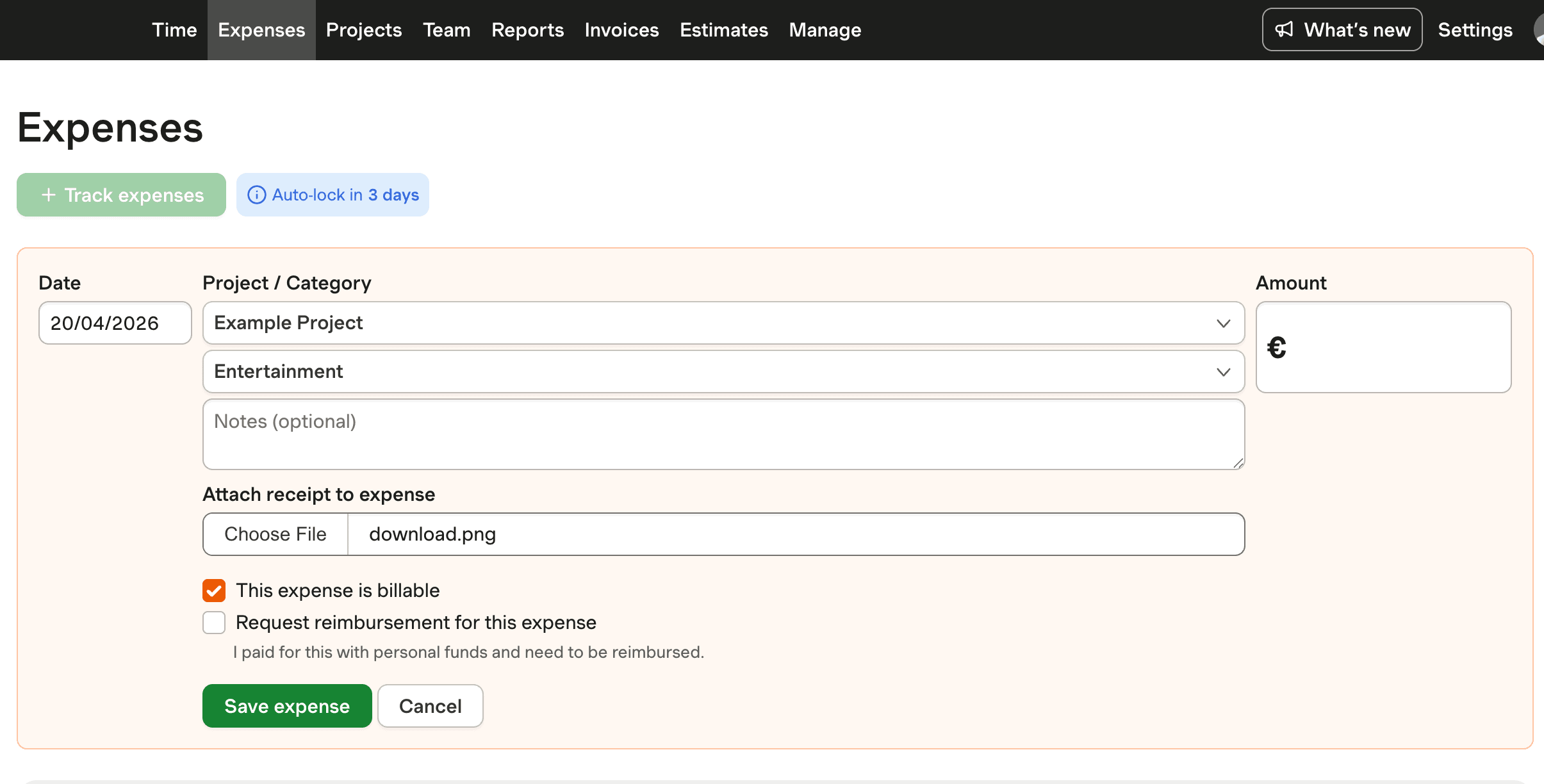
See how Harvest offers project-based expense tracking for small businesses, though not tailored for pharmaceutical compliance.

Harvest expense tracking interface for pharmaceutical context.

Expense Tracker for Pharmaceutical FAQs

  • Pharmaceutical companies deal with complex compliance requirements and high costs. In 2021, US pharmaceutical expenditures reached $576.9 billion, making efficient expense management crucial.

  • Automation reduces errors and time spent on expense reports by 43%, enhancing productivity. It provides real-time visibility, crucial for compliance and financial efficiency.

  • The Sunshine Act requires detailed reporting of financial transactions with healthcare professionals. Non-compliance can lead to penalties up to $115,240 per violation.

  • Integration with ERP, CRM, and CTMS systems provides a unified view of expenses, preventing data silos and improving decision-making and compliance.

  • While Harvest is not designed for pharmaceutical compliance, it offers project-based tracking ideal for small-to-medium businesses needing basic expense management features.

  • Data analytics helps monitor expense patterns, detect anomalies, and identify cost-saving opportunities, crucial for informed decision-making and regulatory compliance.

  • Automated tracking ensures adherence to regulations like the Sunshine Act by providing detailed, accurate reporting, reducing the risk of penalties and reputational damage.