
Harvest
Expenses
Sign up

Petty Cash Expense Sheet

Managing petty cash can be time-consuming, but with Harvest, you can efficiently track expenses by category, simplifying your process.

  • Attach receipts to projects & tasks
  • Turn tracked expenses into client invoices
  • Free 30-day trial, no credit card needed

or drag & drop • Images and PDFs, max 10 MB

Understanding Petty Cash Expense Sheets

A petty cash expense sheet is an essential tool for businesses managing small, day-to-day expenses. These sheets serve as a record-keeping tool to ensure that petty cash is used responsibly and that all transactions are tracked accurately. According to industry experts, poor record-keeping is a common pitfall in petty cash management, leading to discrepancies and potential compliance issues. For instance, traditional petty cash systems often result in a 23% loss of receipts before reconciliation, complicating financial tracking.

The purpose of a petty cash expense sheet is to document every transaction made from the petty cash fund, including the date, amount, purpose, and recipient. This helps maintain transparency and accountability within the organization. In Australia, businesses are required to retain such records for at least five years according to the Australian Taxation Office (ATO) guidelines, which underscores the importance of meticulous documentation.
Benefits of Digitizing Petty Cash Management

Digitizing petty cash management offers significant advantages, including time savings and improved accuracy. A digital approach can reduce processing time by up to 70%, allowing businesses to focus on more strategic activities rather than manual reconciliation. For example, one small retail chain saved eight hours per week in reconciliation time by switching to a digital system.

Moreover, digital solutions help eliminate physical cash handling, reducing security risks and ensuring that financial data is captured accurately at the point of transaction. This is particularly beneficial for companies with multiple branches, as it streamlines the distribution of funds and minimizes the manpower required for cash management. By adopting a digital petty cash management system, businesses can also reduce discrepancies by up to 90%, enhancing overall operational efficiency.

Key Components of a Petty Cash Expense Sheet

A well-structured petty cash expense sheet typically includes several key components to ensure comprehensive tracking and management. First, it should contain basic transaction details such as date, amount, and purpose of each expenditure. This information is vital for ensuring that each transaction is justified and aligned with business policies.

In addition to transaction details, the sheet should also feature sections for authorization, categorization, and receipts. Authorization ensures that expenses are approved by designated personnel, while categorization helps in analyzing spending patterns. Receipts provide tangible proof of transactions, which is crucial for compliance and audit purposes. According to practical tips, businesses are advised to conduct monthly reconciliations as part of their petty cash management policy, ensuring that the cash balance matches recorded transactions.

Using Harvest for Expense Tracking

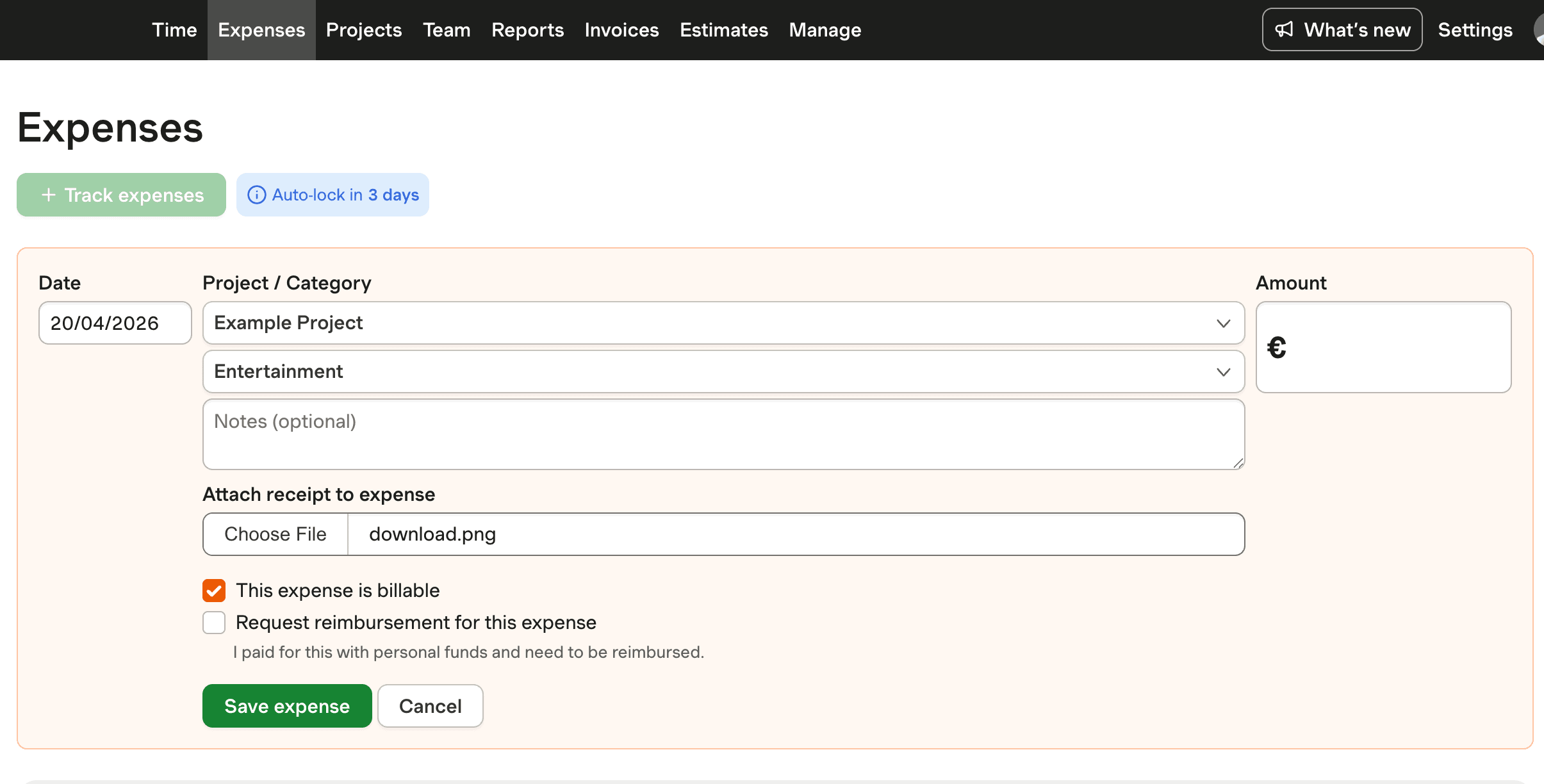
While Harvest does not specialize in petty cash management, it excels in tracking project expenses with detailed categories, which can effectively be employed for logging petty cash transactions. This allows businesses to maintain a comprehensive record of all expenses by category, facilitating easier analysis and reporting. Harvest's transaction logs ensure that every expenditure is captured accurately, minimizing the risk of lost receipts and unaccounted expenses.

For businesses looking to improve their petty cash management, Harvest offers the advantage of detailed categorization and logging, which can be adapted to track smaller expenses systematically. By using Harvest, companies can benefit from a structured approach to expense tracking, even if it does not directly support petty cash policies or reconciliations. This adaptability makes Harvest a valuable tool for businesses seeking more organized financial oversight.

Petty Cash Management with Harvest

See how Harvest tracks petty cash expenses by category, helping you streamline management and reduce errors.

Harvest interface showing petty cash expense tracking by category.

Petty Cash Expense Sheet FAQs

  • A petty cash expense sheet typically includes transaction details such as date, amount, purpose, and recipient. It may also have authorization, categorization, and space for receipts.

  • Digitizing petty cash management reduces processing time by up to 70%, eliminates physical cash handling, and reduces discrepancies by up to 90%, improving overall efficiency.

  • To ensure compliance, maintain detailed records of all transactions, keep receipts, and conduct regular reconciliations. In Australia, records must be kept for five years.

  • While Harvest doesn't specialize in petty cash, it tracks expenses by category, which can be adapted for logging petty cash transactions, providing detailed transaction logs.

  • Common mistakes include poor record-keeping, lack of spending limits, insufficient receipts, and mixing personal with business expenses. Digitizing processes can mitigate these issues.

  • Petty cash should be reconciled regularly, at least monthly, to ensure the cash balance matches recorded transactions and to catch any discrepancies early.

  • The imprest system involves maintaining a fixed cash amount, with expenses deducted and the fund replenished to its original balance, ensuring accountability and control.