
Harvest
Expenses
Sign up

Expense Report for Retail

Harvest simplifies retail expense management, addressing significant manual process frustrations. Automate tracking to save time and reduce errors.

EXPENSE REPORT DRAFT

Drop your receipts here or click to upload

Images and PDFs (max 10 MB each)

Date
Category
Merchant
Description
Amount
Total
$0.00

Customise report

Appearance

Show report title

Report settings

Key Elements of a Retail Expense Report

Creating an effective expense report for retail involves specific elements that cater to the unique needs of retail businesses. A comprehensive report should include costs related to inventory purchases, marketing expenditures, and operational expenses. However, tracking these manually can increase the risk of errors by up to 75%, which is why many businesses lose up to 5% of their annual revenue due to poor expense management practices.

Retailers often face challenges in categorizing expenses by product lines or departments, but with Harvest, expenses can be tracked by custom categories tailored to projects. Although Harvest focuses on project-based tracking, it allows for detailed categorization, helping retailers manage expenses more efficiently. By automating expense tracking, businesses can save up to 20 minutes per report, enhancing productivity and reducing the risk of errors.
Managing Employee Reimbursements in Retail

Employee reimbursements in retail can be cumbersome, often leading to delays and dissatisfaction among staff. In a retail setting, managing reimbursements efficiently is crucial to maintaining employee morale and operational efficiency. According to research, 78% of employees find traditional expense reporting processes time-consuming, highlighting the need for streamlined solutions.

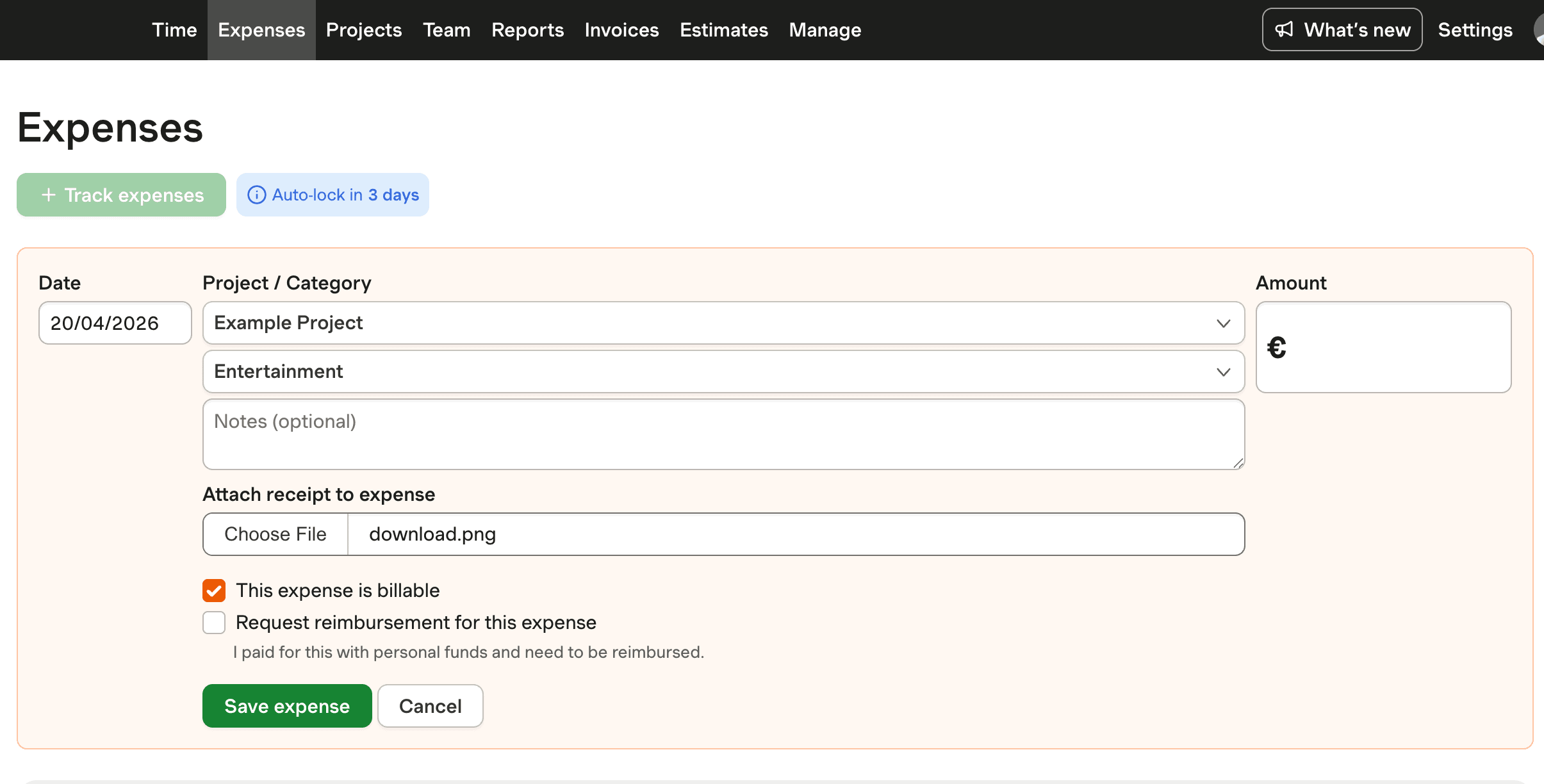
Harvest addresses this by offering a user-friendly platform to manage reimbursements. It allows retailers to track expenses by date, project, and category, ensuring that all necessary details are captured accurately. This automation not only reduces the time taken for reimbursements but also decreases the manual workload by up to 90%, allowing finance teams to focus on more strategic tasks.

The Benefits of Automating Retail Expense Reports

Automation of expense reports in retail offers significant benefits, including cost savings and improved data accuracy. Businesses that switch to automated expense management solutions like Harvest report saving around 5% on overall expenses, which can be reinvested into growth initiatives. Moreover, automation helps avoid the inefficiencies of manual data entry, which contributes to 53% of employees saving up to 2 hours daily.

Harvest simplifies the expense management process with its intuitive interface that captures expenses in real-time. It fosters a mobile-first approach, allowing employees to snap and upload receipts instantly. This not only reduces the risk of lost or incomplete receipts but also ensures compliance with IRS guidelines, which now accept digital receipts as valid documentation. By integrating with accounting solutions, Harvest provides a seamless experience that improves overall financial health in retail operations.

Compliance and Documentation in Retail Expense Reporting

Compliance is a critical aspect of managing expense reports in retail. Businesses must adhere to detailed documentation requirements to avoid audit penalties, which can include a 20% negligence penalty for insufficient documentation. The IRS, for instance, mandates keeping electronic receipts and detailed records of the business purpose of each expense.

While Harvest doesn't specifically offer retail tax compliance features, it does facilitate the efficient organization of expenses by project and custom categories, ensuring that all necessary documentation is maintained. This can help retailers stay prepared for audits by providing clear and accessible records, thus reducing compliance risks.

Leveraging Technology for Retail Expense Efficiency

The shift towards technology in retail expense reporting is driven by the need for better efficiency and accuracy. By 2026, AI-driven automation is expected to become a baseline, moving beyond simple OCR to predictive budget alerts. This shift is crucial, as real-time visibility into expenses can lead to significant savings, such as the 23% annual savings one retail company achieved through better spend visibility.

Harvest's platform aligns with these trends by offering real-time expense tracking and integration capabilities. Although it doesn't support inventory management, its project-based tracking allows for tailored categorization and real-time insights, helping businesses make informed financial decisions. By leveraging such technology, retailers can streamline operations and focus on strategic growth.

Streamline Retail Expenses with Harvest

See how Harvest enhances retail expense management with automated tracking and efficient reimbursement features tailored for your business needs.

Harvest dashboard showing expense report features for retail management.

Expense Report for Retail FAQs

  • A retail expense report should include inventory costs, marketing expenditures, and operational expenses. Tracking these accurately is vital as manual errors can lead to a 5% loss in annual revenue.

  • While Harvest does not categorize by product lines specifically, it allows retailers to use custom categories for project-based tracking, aiding in more organized and efficient expense management.

  • Yes, various templates are available online that can be customized for retail needs. They typically include sections for inventory, marketing, and operational expenses to ensure comprehensive tracking.

  • Effective reimbursement management involves clear policies, automation of receipt capture, and categorization by project. Harvest's platform facilitates these practices, improving efficiency and employee satisfaction.

  • Tax implications require detailed documentation of expenses. While Harvest does not automate tax compliance, it helps maintain organized records necessary for audit readiness.

  • Automation reduces manual workload by up to 90%, saves time, and enhances accuracy. Businesses adopting automation report a 5% cost saving on overall expenses.

  • Harvest offers project-based expense tracking with custom categorization, simplifying the reimbursement process and ensuring efficient management of retail-related expenses.