
Harvest
Expenses
Sign up

Business Trip Allowance

Harvest simplifies the management of business trip allowances by offering tools to track and categorize travel expenses, ensuring accurate and timely reimbursements.

EXPENSE REPORT DRAFT

Drop your receipts here or click to upload

Images and PDFs (max 10 MB each)

Date
Category
Merchant
Description
Amount
Total
$0.00

Customise report

Appearance

Show report title

Report settings

Understanding Business Trip Allowance

Business trip allowances are essential for managing employee travel expenses efficiently. These allowances often encompass per diem rates for lodging, meals, and incidental expenses, which help streamline expense reporting and reimbursement processes. As of October 2024, the IRS updated these rates, raising the high-low per diem to $319 for high-cost areas and $225 for other locations. Recognizing these changes is crucial for businesses aiming to maintain compliance and manage travel costs effectively.

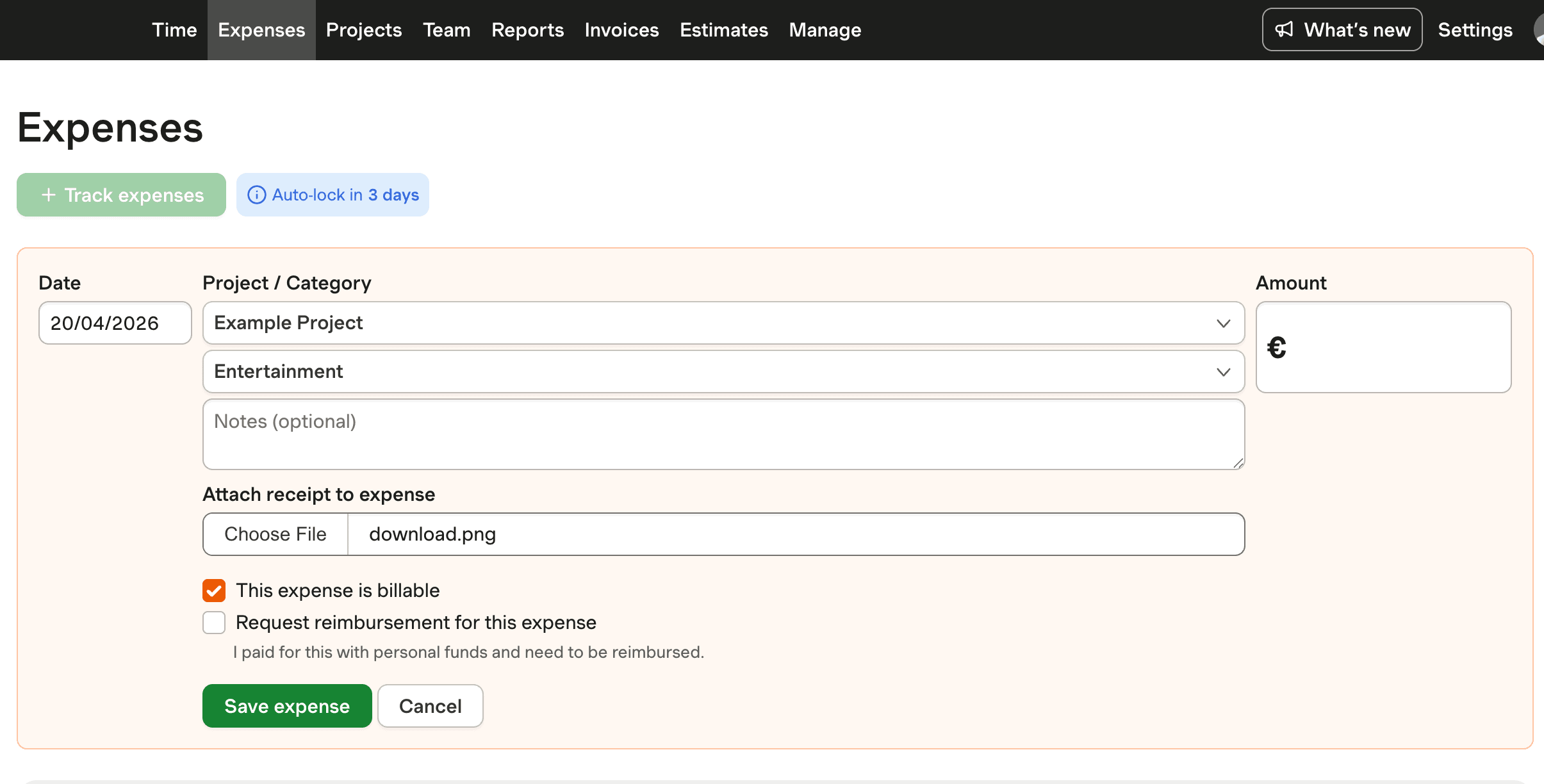
Harvest simplifies the process of managing business trip allowances by offering a straightforward way to track and categorize travel expenses. Users can upload receipt images or PDFs to document expenses, ensuring all costs are accounted for accurately. This method not only enhances visibility but also aids in preventing unauthorized spending, which can account for 8-12% of travel budgets tied up in unused credits.
Implementing Effective Travel Policies

Creating a solid travel allowance policy is a strategic necessity for businesses. Effective policies outline covered expenses, set spending limits, and ensure compliance with tax and legal standards. For instance, the IRS per diem rates simplify substantiation requirements, allowing businesses to treat certain travel costs as substantiated without receipts, provided the business purpose is documented.

Harvest supports this by enabling businesses to categorize expenses such as lodging and meals, and mark them as billable or non-billable. This functionality allows for clear policy enforcement and streamlined reimbursement processes. Automating these aspects can lead to significant cost reductions, with some companies achieving up to an 18% savings per trip.

Streamlining Expense Management with Automation

The shift towards automated expense management systems is transforming how businesses handle travel allowances. These systems enhance compliance, provide real-time expense visibility, and reduce manual reporting errors. For example, companies that adopt automated platforms with Optical Character Recognition (OCR) technology can scan receipts for automatic uploads, speeding up reimbursement processes and enhancing employee satisfaction.

Harvest offers a simple expense tracking system that fits seamlessly into this automated approach. By allowing users to upload and categorize expenses, Harvest helps businesses maintain a clear record of their travel costs and ensures timely reimbursements. This capability is crucial for avoiding the pitfalls of manual processes, which are prone to errors and inefficiencies.

Manage Business Trip Allowances with Harvest

Harvest provides tools to track and categorize travel expenses, ensuring accurate and timely reimbursements for business trips.

Harvest interface showing business trip allowance management features.

Business Trip Allowance FAQs

  • The IRS sets per diem rates for business travel, which include lodging, meals, and incidental expenses. As of October 2024, the rates are $319 for high-cost locations and $225 for other continental U.S. locations. These rates help simplify expense reporting by allowing businesses to treat certain costs as substantiated without receipts.

  • To create an effective travel allowance policy, define covered expenses, set spending limits, and ensure compliance with tax rules. It's advisable to leverage technology for policy management to streamline processes and reduce errors. Harvest supports this by allowing expense categorization and receipt uploads.

  • Business trip allowances generally cover lodging, meals, and incidental expenses. Some companies may also include transportation and entertainment costs, depending on their policy. Using a tool like Harvest, businesses can easily track and categorize these expenses for accurate reimbursement.

  • To claim travel expenses, employees must typically provide receipts or proof of purchase, along with details of the travel's business purpose. Harvest facilitates this by allowing users to upload receipt images or PDFs, ensuring all necessary documentation is readily available.

  • Business trip allowances can have tax implications, as the IRS requires documentation of the business purpose and substantiation of expenses. If allowances exceed certain amounts, they may be treated as taxable wages. Businesses should consult tax professionals to manage these aspects.

  • Harvest aids in tracking travel expenses by allowing users to upload receipts and categorize costs, ensuring accurate record-keeping and streamlined reimbursements. This helps businesses maintain compliance and control over travel budgets.

  • Yes, Harvest can help automate reimbursement processes by providing tools to upload and categorize expenses, which facilitates faster approval and payment workflows. This reduces manual errors and speeds up the reimbursement cycle.

  • Automated expense management systems provide real-time visibility into expenses, reduce manual errors, and streamline reimbursement processes. Businesses can achieve up to 18% savings per trip through such systems, making them a strategic advantage for travel management.