
Harvest
Expenses
Sign up

Expense Report in Chinese

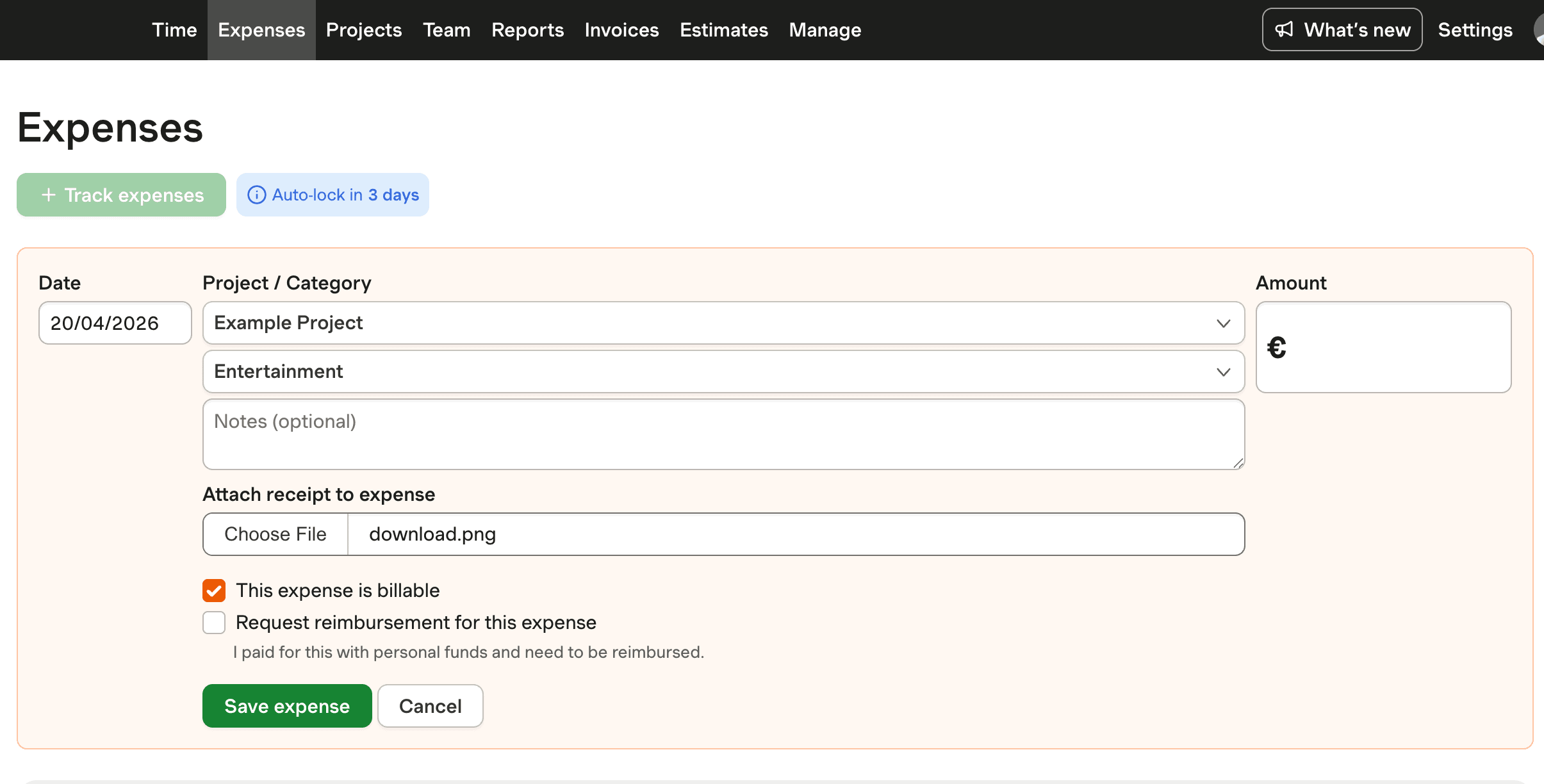
Harvest offers a project-based expense tracking solution, ideal for businesses needing efficient management despite not supporting Chinese localization.

EXPENSE REPORT DRAFT

Drop your receipts here or click to upload

Images and PDFs (max 10 MB each)

Date
Category
Merchant
Description
Amount
Total
$0.00

Customise report

Appearance

Show report title

Report settings

Understanding 'Expense Report' in Chinese Contexts

For businesses operating in China, understanding how to manage and report expenses effectively is crucial. The term 'expense report' in Chinese can be translated as "费用报告" or "报销单". However, the translation alone doesn’t capture the cultural nuances and legal implications associated with expense management in China. It’s essential to be aware that in China, expense reporting is intricately linked with the fapiao system—a government-regulated invoicing system that serves as legal proof of transactions.

Companies must ensure their expense reports are compliant with the State Taxation Administration (STA) standards, which can include mandatory fapiao verification and long-term digital storage. Ignoring these requirements can lead to significant legal penalties, ranging from fines to additional tax liabilities. For instance, missing or unqualified fapiaos can incur fines up to 2% of a company’s annual revenue. To avoid these pitfalls, understanding the legal landscape and integrating automated systems for fapiao verification is recommended.
The Role of Automation in Chinese Expense Reporting

Automation is transforming expense reporting in China, with 75% of businesses adopting digital tools for this purpose. This shift is largely driven by the need to reduce costs and processing times. For instance, automating expense reports can lower the processing cost from $58 to just $10 per report and cut processing times by 67%. One company experienced a reduction in submission time from 45 minutes to 8 minutes, saving over 1,200 work hours annually.

Moreover, automation helps in preventing fraud, a common issue in China where employees might submit "substitute fapiaos" or fabricate invoices. By using AI audit software, companies can flag suspicious expense items, although only 1% of these flagged items are rejected, compared to 18% in Japan. This low rejection rate may reflect cultural norms that allow more discretion with work expenses. Implementing automated solutions not only enhances efficiency but also strengthens compliance and reduces error rates to below 2%.

Practical Tips for Managing Expense Reports in China

Effectively managing expense reports in China requires a structured approach. First, establish clear expense reporting policies that define allowable expenses and necessary documentation. This can reduce unauthorized spending by 30%. Automation plays a key role here; by integrating expense management software with core business processes, companies can ensure accurate categorization and seamless data flow.

Businesses should also focus on automating the fapiao issuance and verification process. Monthly verification and maintaining organized invoice archives for at least 10 years are best practices. Using digital platforms approved by the government helps in maintaining compliance. Additionally, ensuring comprehensive documentation, including itemized receipts and clear records of business purposes, is crucial, especially for foreign-invested enterprises where certified translations may be needed.

Simplify Chinese Expense Reports with Harvest

See how Harvest streamlines project-based expense tracking, ideal for managing Chinese expense reports efficiently.

Harvest's project-based expense tracking solution for Chinese reports.

Expense Report in Chinese FAQs

  • In Chinese, 'expense report' can be translated as "费用报告" or "报销单". These terms are commonly used in business settings to refer to documents detailing expenses for reimbursement or accounting purposes.

  • Fapiaos are official tax invoices required in China for expense reports. Businesses must verify these through the State Taxation Administration's system to ensure authenticity. Proper handling of fapiaos is crucial for tax deductions and compliance.

  • Automation significantly reduces the cost and time of processing expense reports in China. It can cut costs from $58 to $10 per report and reduce processing times by 67%, enhancing overall efficiency and compliance.

  • Non-compliance with fapiao regulations can lead to fines and additional tax liabilities, ranging from 0.5% to 2% of annual revenue. Proper verification and storage of fapiaos are essential to avoid these penalties.

  • Due to complex regulatory environments, expense automation is viewed as essential for agile operations. It streamlines processes, ensures compliance, and improves efficiency, making it indispensable for businesses in China.

  • Establishing clear policies and automating expense processes can reduce unauthorized spending by 30%. Defining allowable expenses and required documentation helps maintain control over company finances.

  • Cultural norms in China can influence the leniency shown in expense reports, with a low rejection rate for flagged items. Understanding these norms is important for international companies operating in China.