
Harvest
Expenses
Sign up

Merchant in Expense Report

Harvest helps you accurately link merchant transactions to projects, ensuring precise tracking and reporting for expense management.

  • Attach receipts to projects & tasks
  • Turn tracked expenses into client invoices
  • Free 30-day trial, no credit card needed

or drag & drop • Images and PDFs, max 10 MB

Understanding the Merchant Field in Expense Reports

The "merchant" field in an expense report is critical for accurate financial tracking. This field records the vendor or supplier from whom goods or services were purchased. Accurately entering this information ensures that expenses are properly categorized and can be easily audited. Errors in this field can lead to compliance issues, increased processing times, and financial discrepancies.

Inaccurate merchant entries can contribute to the 19% error rate found in manual expense reports, which costs businesses time and money. Correcting these errors costs an average of $52 per report and takes 18 minutes per correction. Thus, entering the correct merchant name initially is crucial for efficient expense management.
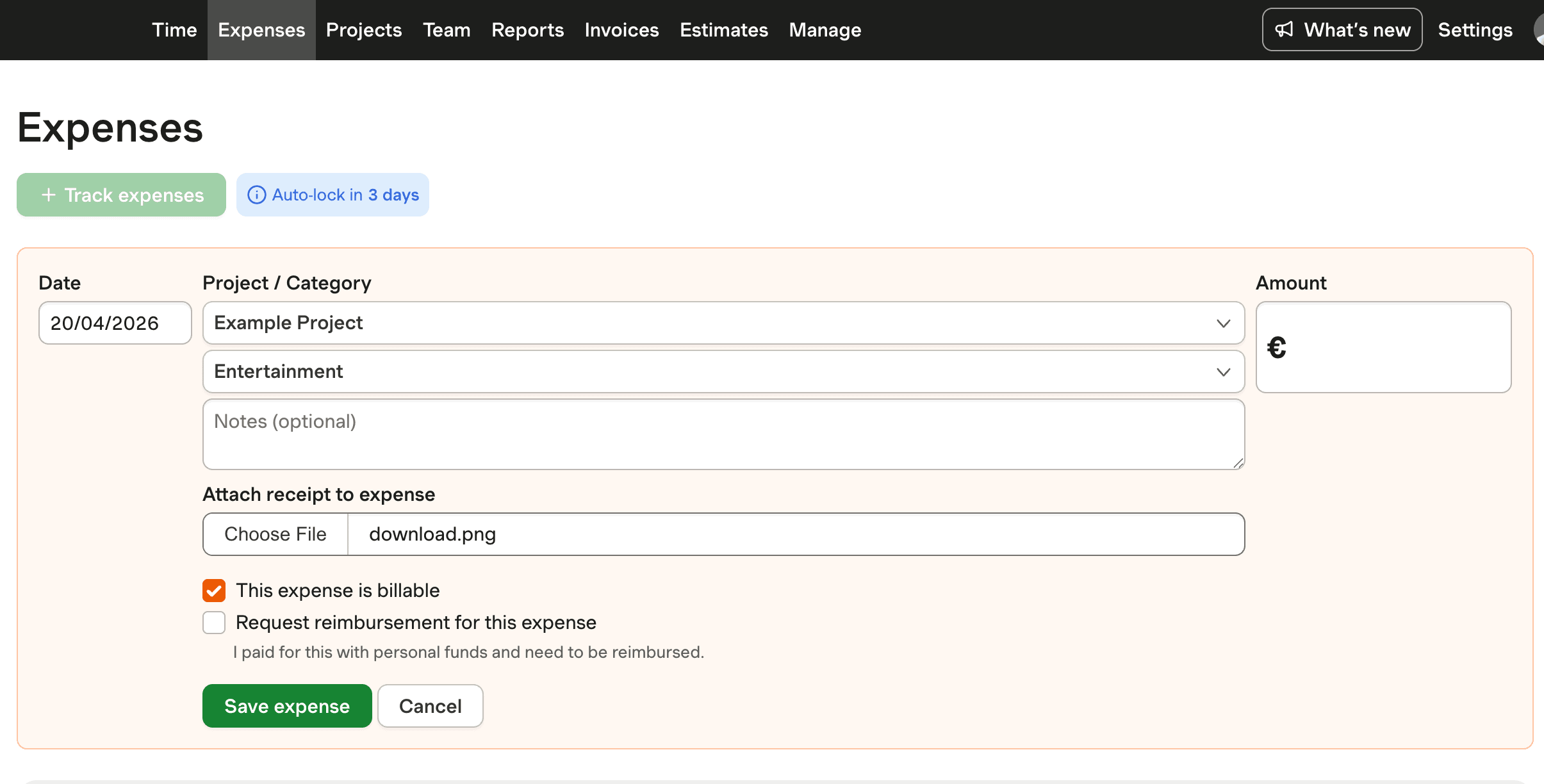
Manually Linking Merchant Transactions with Harvest

Harvest provides a straightforward solution for managing expenses by allowing users to manually link merchant transactions to specific projects. This capability ensures that expenses are consistently tracked and categorized, aiding in precise project management and financial reporting.

By manually entering merchant details, users can achieve the 95% categorization accuracy often seen in automated systems, albeit with a focus on project-specific needs. Although this requires manual input, it prevents the administrative friction that can cause 78% of rejected claims due to vagueness or incomplete information. Using Harvest, businesses can maintain clarity and consistency in their expense reports, minimizing errors and enhancing accountability.

Benefits of Accurate Merchant Entries

Accurate merchant entries in expense reports are essential for compliance and financial integrity. They help businesses avoid the hefty penalties associated with improper documentation, which can arise during IRS audits. Maintaining precise records can prevent financial penalties and ensure that tax deductions are upheld.

Moreover, consistent and correct merchant entries improve the overall process efficiency and reduce the need for costly corrections. Companies can save up to 30% in processing costs by employing effective expense management practices, as demonstrated by firms that have embraced automation and real-time visibility technologies to streamline their operations.

Best Practices for Merchant Data Entry

Implementing best practices for merchant data entry is crucial for minimizing errors and maintaining compliance. One key practice is to ensure that all employees are trained on the importance of accurate data entry and the potential consequences of errors. This education can significantly reduce the 78% of rejected claims due to vague information.

Another best practice involves utilizing tools like Harvest to manually categorize expenses linked to specific projects. Despite the lack of automation, this hands-on approach ensures accuracy and alignment with financial goals. Companies should also integrate their expense tracking systems with accounting software to streamline data transfers and ensure real-time tracking and reconciliation.

Manage Merchant Entries with Harvest

See how Harvest helps you manually link merchant transactions to projects for precise expense management.

Harvest interface showing linked merchant transactions in an expense report.

Merchant in Expense Report FAQs

  • A merchant in an expense report refers to the vendor or supplier from whom a product or service was purchased. This information helps in categorizing and auditing expenses accurately.

  • To fill in the merchant field correctly, ensure you enter the exact name of the vendor or supplier as it appears on the receipt or invoice. This helps in maintaining accuracy and simplifies future audits.

  • Entering the wrong merchant name can lead to errors in expense categorization, potentially resulting in compliance issues and financial discrepancies. Correcting such errors is time-consuming and costly.

  • Harvest allows users to manually link merchant transactions to specific projects, ensuring accurate tracking and categorization of expenses. This helps in maintaining clear financial records for audits and compliance.

  • While there aren't specific universal rules, businesses often establish internal guidelines to ensure consistent categorization. Accurate merchant entry helps adhere to these guidelines, ensuring compliance and accurate reporting.

  • Accurate merchant data is crucial for compliance, avoiding financial penalties, and ensuring precise categorization of expenses. This accuracy helps in effective financial management and decision-making.