
Harvest
Time Tracking
Sign up free

Project Budget Tracker in South Korea

In South Korea's digital economy, effective budget management is essential. Harvest offers a robust project budget tracker that integrates with local payment methods and complies with national regulations.

Try Harvest Free

Will this project be profitable?

Estimate your project cost, set the right price, and know exactly how many hours your team can spend before margin disappears.

Total hours across all team members
$
Average rate across all roles on the project
15%
Scope creep is real. Most projects need 10-25% buffer to stay profitable.
Recommended project price $0
Base cost (before buffer) $0
Hours per person per week 0h
Weekly burn rate $0
Max hours before loss 0h

Track project hours with Harvest

Walk through the entire flow below. Start a timer, check your reports, and create a real invoice — all in three clicks.

Go ahead — start tracking!

One click and you're timing. Try it right here: start a timer, add an entry, edit the details. This is exactly how it feels in Harvest.

  • One-click timer from browser, desktop & mobile
  • Works inside Jira, Asana, Trello, GitHub & 50+ tools
  • Duration or start/end — your call
  • Day, week & calendar views to stay on top of it all
  • Friendly reminders so no hour gets left behind
Acme Corp
Website Redesign
Homepage layout revisions
1:24:09
Content Strategy
Blog calendar planning
1:30:00
SEO Audit
Technical audit report
0:45:00
Brand Guidelines
Color system documentation
2:15:00
Logo Concepts
Initial sketches round 1
1:00:00

Navigating Project Budgeting in South Korea's Digital Landscape

South Korea's financial landscape is characterized by its rapid digital adoption, making it essential for project budget trackers to align with local trends. With nearly 98% internet penetration and a burgeoning digital payments market projected to grow from USD 3.54 billion in 2024 to USD 17 billion by 2035, budgeting tools must cater to this digital-first economy. Credit card usage is prominent, with an expected growth to almost $891 billion by 2026, highlighting the need for budget trackers to support these payment methods effectively.

To thrive in South Korea, budget tracking solutions must integrate seamlessly with popular local payment systems like KakaoPay, Naver Pay, and Toss. These digital wallets are not just payment methods but are integral to managing finances, as 75% of online purchases were made via mobile devices in 2024. Understanding the local financial ecosystem is crucial for effective budget management, ensuring tools cater to specific South Korean spending habits and regulatory requirements.
Essential Features for South Korean Project Budget Trackers

Project budget tracking tools in South Korea must offer features that align with local financial habits and regulatory frameworks. Firstly, supporting the South Korean Won (KRW) is non-negotiable, as well as offering multi-currency capabilities for businesses dealing internationally. Integration with local payment methods (e.g., KakaoPay, Naver Pay, Toss) is vital, given their widespread use for both online and offline transactions.

Additionally, features that cater to South Korean spending habits, such as tracking installment payments ("halbu"), are crucial. Automated categorization of expenses, receipt scanning, and real-time reporting streamline the budgeting process, enhancing efficiency and accuracy. These capabilities are particularly important for managing high-value purchases typical in major cities like Seoul, where expenses can fluctuate significantly.

Regulatory Compliance and Data Security in South Korea

Compliance with South Korea's stringent data protection laws, such as the Personal Information Protection Act (PIPA) and the Credit Information Act (CIA), is essential for any project budget tracker. These regulations require explicit consent for data collection and use, emphasizing the importance of privacy and data security in financial software.

Moreover, integration with the Korea National Tax System (NTS) is mandatory for accounting systems. This integration ensures that budget trackers can generate the necessary upload files for invoices and match bills within the system, facilitating compliance with national tax regulations. Adhering to these standards not only ensures legal compliance but also builds trust with users concerned about data protection.

Optimizing Project Expense Management: Best Practices for the Korean Market

Effective project expense management in South Korea involves adopting best practices that cater to local market dynamics. Real-time expense tracking is crucial, allowing businesses to capture expenses as they occur, thereby enhancing accuracy and enabling quick responses to budget deviations. Regular reviews and monitoring of expenses help identify unusual spending patterns and mitigate emerging budget risks.

Utilizing automated approval workflows and integrating budget tracking tools with project management systems streamlines financial operations, reducing manual errors and improving efficiency. Given the high digital payment adoption, mobile applications that enable on-the-go expense submission are invaluable, ensuring that all team members can contribute to accurate financial tracking and reporting.

The Future of Financial Tracking: Emerging Trends in South Korea

South Korea is at the forefront of financial innovation, with significant trends shaping the future of project budget tracking. The Bank of Korea's digital won pilot, Project Hangang, is expanding real-world testing and integrating programmable payment features, which could significantly enhance fiscal efficiency and reduce misuse in budget management.

Furthermore, the MyData licensing regime allows for the consolidation of individuals' financial data, paving the way for personalized financial advice and product recommendations. As open banking initiatives gain traction, budget tracking tools that leverage AI and advanced analytics for forecasting and optimization will become increasingly valuable, offering users enhanced insights and decision-making capabilities.

Project Budget Tracker with Harvest

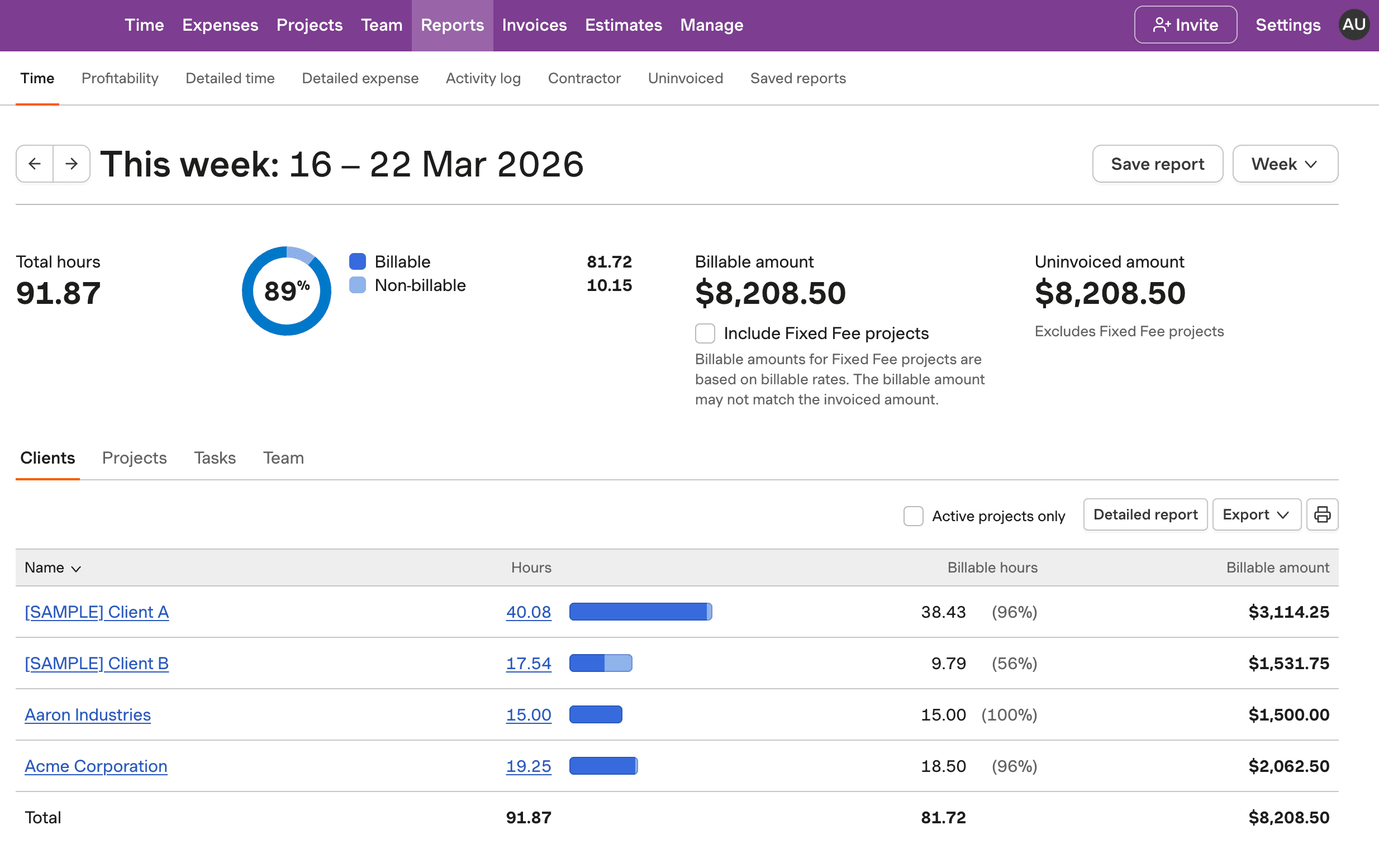
See how Harvest's tracker supports South Korean currency and payment integrations, streamlining your project budget management.

Harvest project budget tracker interface showing local currency support

Project Budget Tracker in South Korea FAQs

  • A project budget tracker in South Korea should support local currency (KRW), integrate with popular digital wallets like KakaoPay, and cater to local spending habits such as installment payments. Compliance with South Korean regulations is also crucial.

  • Budget trackers integrate with South Korean banks by supporting direct bank transfers and syncing transactions. They often connect with major banks like Shinhan, KB Kookmin, and Hana for seamless transaction importing and reconciliation.

  • Yes, many budget trackers offer offline tracking to ensure privacy and data security, catering to users concerned about data sharing and ensuring privacy in financial tracking.

  • Data security is paramount due to South Korea's strict regulations like the Personal Information Protection Act (PIPA). Budget trackers must ensure explicit consent for data processing and protect against unauthorized access.

  • Real-time expense tracking is crucial as it enhances accuracy, allowing quick reactions to budget deviations and supporting proactive decision-making throughout the project lifecycle.

  • Mobile payments are integral to South Korean budgeting, with a high penetration rate. Budget trackers must integrate with mobile payment solutions like KakaoPay and Toss to facilitate seamless financial management.

  • Yes, many budget trackers offer automated features such as receipt scanning, expense categorization, and real-time reporting, which streamline expense management and improve efficiency.