
Harvest
Expenses
Sign up

Expense Tracker for Web

Harvest offers a web-based expense tracking solution that integrates with accounting software, ideal for small to medium businesses seeking efficient financial management.

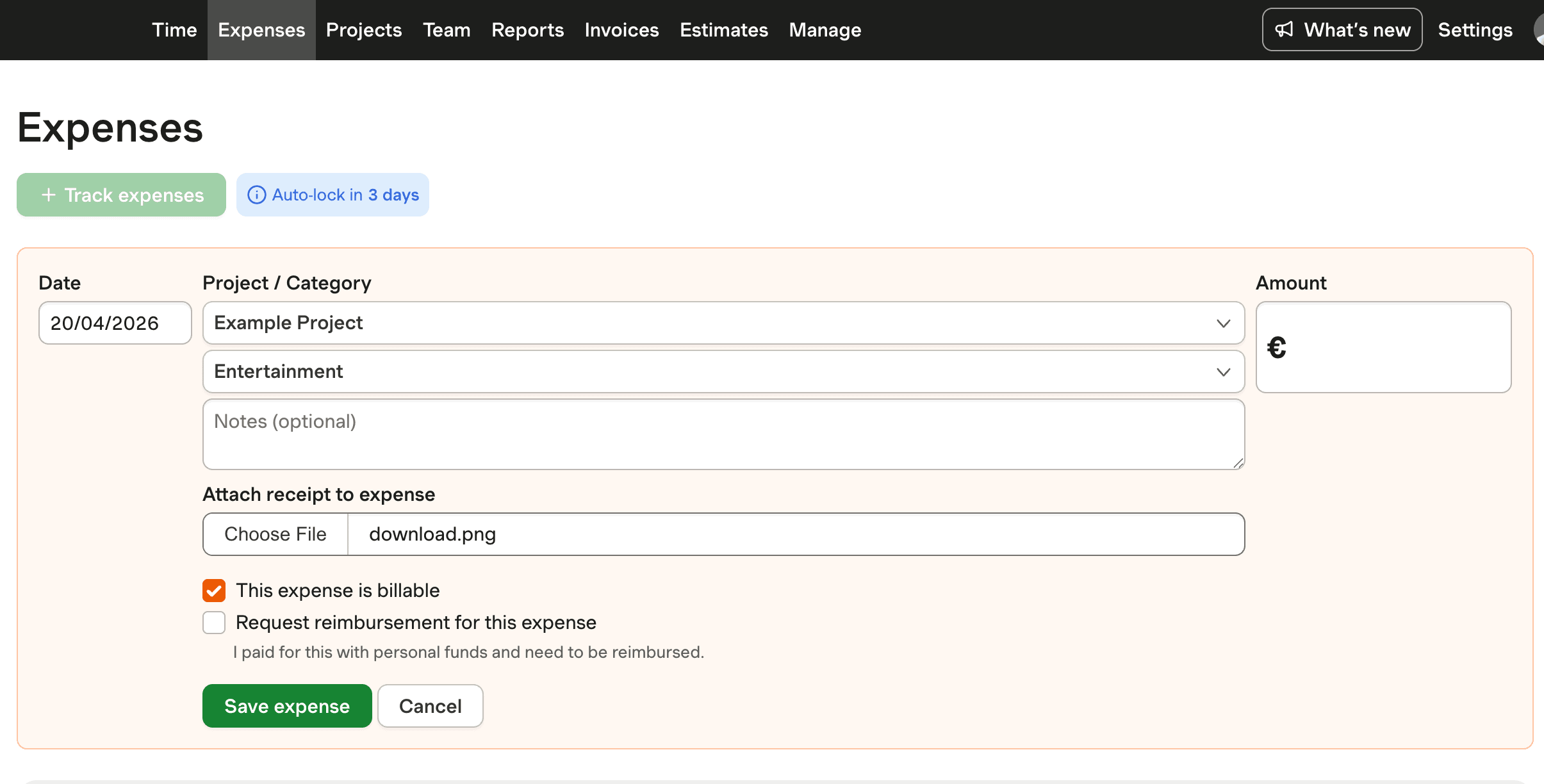
  • Attach receipts to projects & tasks
  • Turn tracked expenses into client invoices
  • Free 30-day trial, no credit card needed

or drag & drop • Images and PDFs, max 10 MB

The Rise of Web-Based Expense Trackers

Web-based expense trackers are becoming increasingly popular, with approximately 59% of businesses preferring these systems due to their ease of implementation and lower upfront costs. This trend is driven by the need for streamlined financial operations, with 79% of enterprises adopting digital solutions. These tools offer significant advantages, such as a 43% reduction in manual errors through automation, making them essential for businesses aiming to improve efficiency and accuracy in expense management.

The global market for expense management software reflects this shift, valued at USD 7.08 billion in 2023 and projected to grow at a 10.1% CAGR through 2032. Cloud-based solutions, expected to account for over 60% of the market by 2026, provide scalability and enhanced data security. Harvest, a leader in project-based expense tracking, integrates seamlessly with accounting platforms like QuickBooks Online and Xero, helping businesses manage financial data more effectively.
Challenges in Manual Expense Tracking

Manual expense tracking often results in data entry errors, missing receipts, and delayed reimbursements. This process is resource-intensive, with companies spending significant time on data entry and verification. A staggering 72% of organizations that automate their expense processes report a notable reduction in errors and faster approval times, leading to a 30% decrease in discrepancies.

Harvest addresses these challenges by allowing users to upload receipts and categorize expenses according to customizable project types. While it doesn't offer automated receipt scanning, the ability to maintain organized digital records minimizes the risk of lost or incomplete receipts. This structured approach not only saves time but also enhances compliance with financial regulations, reducing exposure to penalties that can reach millions of dollars for serious violations.

Integrating Expense Tracking with Business Processes

Integration with existing business processes is crucial for effective expense management. Harvest excels in this area by offering integration with popular accounting software, such as QuickBooks Online and Xero, streamlining financial operations and reducing manual data entry. This ensures consistency across platforms and provides a comprehensive view of financial health.

Harvest also supports customizable expense categories, allowing businesses to align tracking with specific project needs. This flexibility aids in accurate categorization, reducing the common problem of financial data skewing due to misclassification. By facilitating seamless integration and accurate categorization, Harvest empowers businesses to maintain financial transparency and optimize resource allocation.

Benefits of Customizable Expense Categories

Customizable expense categories are essential for businesses that manage diverse projects with unique financial requirements. Harvest offers this flexibility, enabling administrators to tailor categories according to project types. This customization helps in precise expense tracking, ensuring that budgets are adhered to and financial reports are accurate.

The ability to customize categories aligns with the broader trend towards automation and strategic financial management. With AI and machine learning becoming integral to expense management, tools like Harvest are well-positioned to support businesses in reducing errors and enhancing compliance. As companies increasingly adopt digital solutions, Harvest's approach to customizable expense tracking provides a strategic advantage in managing project-based finances.

Expense Tracking with Harvest

See how Harvest's web-based expense tracker integrates with accounting software for streamlined expense management.

Harvest dashboard showing web-based expense tracking features.

Expense Tracker for Web FAQs

  • Web-based expense trackers benefit businesses by reducing manual errors, improving accuracy, and streamlining financial operations. They offer ease of implementation and lower upfront costs, favored by 59% of businesses. Automated processes can cut down errors by 43%, enhancing compliance and efficiency.

  • Harvest's expense tracker features integration with accounting software like QuickBooks Online and Xero, customizable expense categories for different project types, and easy receipt uploads. These functionalities help streamline financial management for small to medium businesses.

  • Cloud-based systems offer scalability, accessibility, and enhanced data security. With over 60% of the market expected to use cloud solutions by 2026, they provide businesses with the flexibility needed to adapt and grow, while ensuring secure data management.

  • Harvest helps maintain compliance by allowing businesses to organize and retain digital receipts, reducing the risk of lost documents. This supports audit readiness and helps avoid penalties, ensuring that financial records are accurate and up-to-date.

  • Manual tracking can lead to errors, lost receipts, and delayed reimbursements. These challenges increase administrative burdens and compliance risks. Automated solutions like Harvest reduce these issues, saving companies significant time and resources.

  • Yes, Harvest integrates with popular accounting software like QuickBooks Online and Xero, ensuring seamless data flow and consistency across financial systems. This integration aids in reducing manual data entry and enhancing financial oversight.

  • Customizable categories align expense tracking with specific project needs, enabling precise budget management and accurate financial reporting. Harvest's customizable categories help businesses maintain transparency and optimize resource allocation.