
Harvest
Expenses
Sign up

Expense Tracker for Students

Harvest helps students track their daily expenses, offering insights into spending habits to prevent overspending, a common student issue.

EXPENSE REPORT DRAFT

Drop your receipts here or click to upload

Images and PDFs (max 10 MB each)

Date
Category
Merchant
Description
Amount
Total
$0.00

Customise report

Appearance

Show report title

Report settings

Why Students Need an Expense Tracker

Effective financial management is crucial for students, especially as 43% struggle to budget correctly, leading to overspending and debt. With average student credit card debt at $3,280 and student loan debt reaching $30,560 per graduate, it's clear that many students face significant financial challenges. Tracking expenses using tools like Harvest can be a transformative practice, helping students avoid these pitfalls by offering real-time budget awareness and automated alerts.

Moreover, financial literacy is low among students, with a significant portion lacking basic budgeting skills. Despite this, there's a strong interest in financial education, highlighting the importance of accessible tools that facilitate financial management. Using an expense tracker empowers students to make informed financial decisions, reduce impulsive spending, and allocate funds towards savings, even on a limited income.
How Harvest Simplifies Expense Tracking for Students

Harvest provides students with an intuitive way to monitor their daily expenses, helping identify spending habits over time. By categorizing expenses by date and type, students can easily track where their money goes, which is crucial for those who often overlook minor purchases that quickly add up. For instance, a daily $8 coffee habit can accumulate to over $240 monthly, an expense easily identified with Harvest's tracking features.

Using Harvest, students can transition from physical expense tracking methods to a more streamlined digital approach. While Harvest focuses on project-based expense management, its capability to track expenses by category makes it suitable for students looking to understand and control their spending. This insight allows students to set realistic budgets and spending limits, contributing to better financial health.

The Benefits of Digital Expense Tracking

Digital expense tracking tools like Harvest have transformed how students manage their finances. Unlike traditional methods, digital tools provide immediate insights into spending patterns, enabling proactive financial management. Students using Harvest can benefit from its ability to track daily expenses, offering a clear and organized view of their financial activities.

By adopting a digital platform, students can automate many aspects of financial tracking, such as categorizing expenses and setting alerts for budget limits. This automation reduces the likelihood of errors and helps maintain a consistent and accurate record of financial transactions. As a result, students are better equipped to save money, avoid unnecessary debt, and prioritize their financial goals.

Developing Financial Literacy Through Expense Tracking

Tracking expenses is a fundamental step in developing financial literacy, a skill that sets students up for future success. With one in five students lacking basic financial skills, tools like Harvest offer a practical solution to bridge this gap. By tracking daily expenses, students gain insight into their financial habits and learn to distinguish between wants and needs, a critical aspect of effective budgeting.

Furthermore, financial counselors emphasize the importance of early financial education, noting that sound financial habits formed during college can lead to long-term benefits. Using Harvest, students can create a financial roadmap that guides their spending and saving decisions, ensuring they can cover necessities and avoid debt. This proactive approach not only helps in managing current finances but also prepares students for financial challenges post-graduation.

Expense Tracking with Harvest

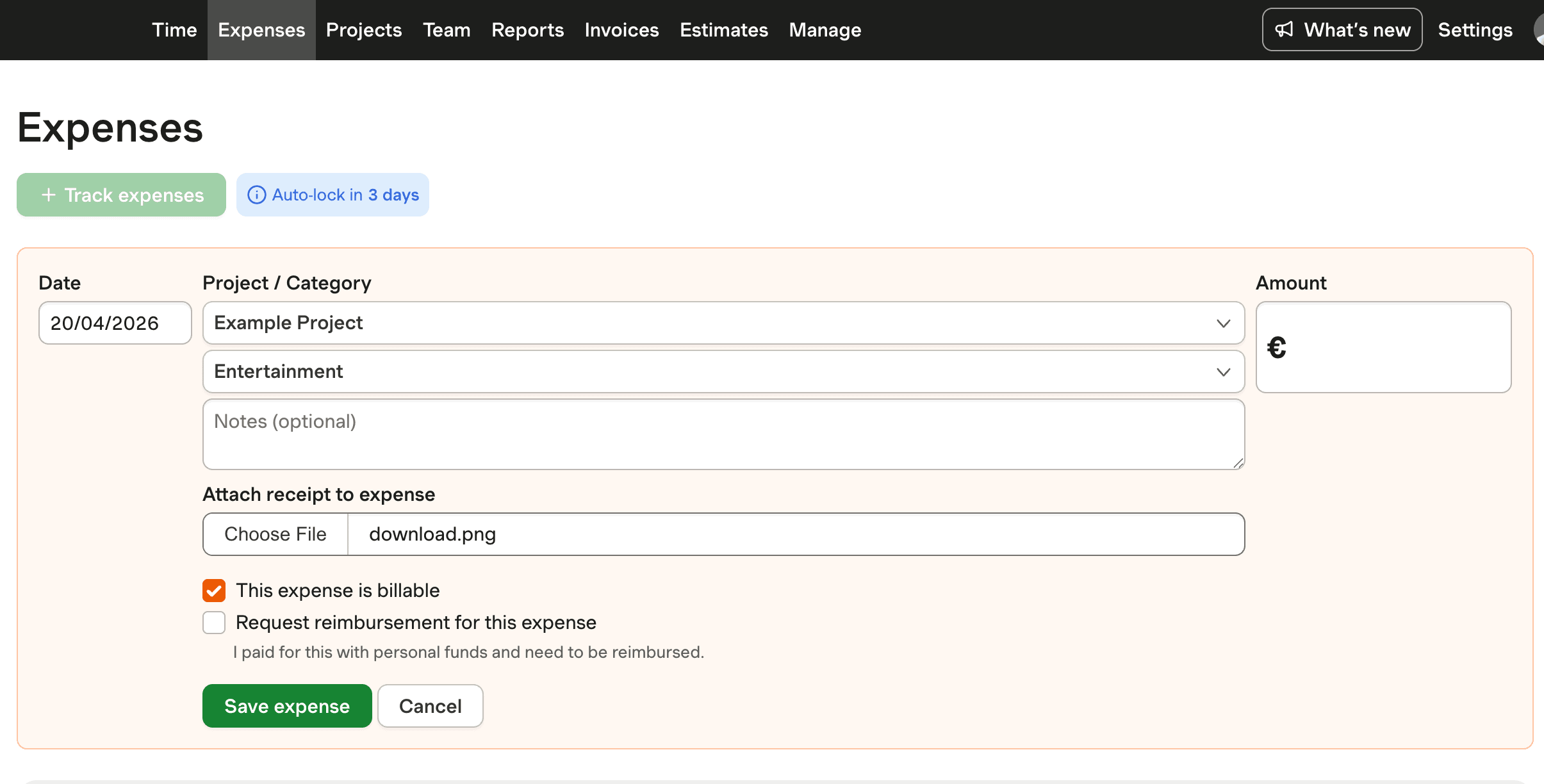
Harvest allows students to track daily expenses and gain insights into spending habits, helping manage finances effectively.

Harvest dashboard showing student expense tracking.

Expense Tracker for Students FAQs

  • Tracking expenses helps students understand their spending patterns, avoid overspending, and manage their finances better. With 43% of students struggling to budget correctly, tracking is crucial for financial stability.

  • A student expense tracker should categorize expenses, provide real-time budget updates, and offer insights into spending habits. Tools like Harvest help identify unnecessary spending and set realistic financial goals.

  • By tracking expenses, students can identify areas where they overspend, such as frequent small purchases. This awareness helps them adjust spending habits, prioritize savings, and avoid unnecessary debt.

  • Yes, Harvest is suitable for tracking student expenses. It allows categorization of expenses by date and type, helping students understand their spending patterns and manage finances effectively.

  • Common challenges include overspending, credit card debt, and financial mismanagement. With average student credit card debt at $3,280, it's crucial to track spending and budget effectively to avoid these pitfalls.

  • Harvest aids in developing financial literacy by providing insights into spending habits, helping students learn to differentiate between wants and needs, and encouraging sound financial management practices.

  • While Harvest focuses on project-based expense tracking, it helps students manage daily spending, which is a key component of effective budgeting. Understanding daily expenses aids in creating a comprehensive budget.