
Harvest
Expenses
Sign up

Google Maps Track Mileage

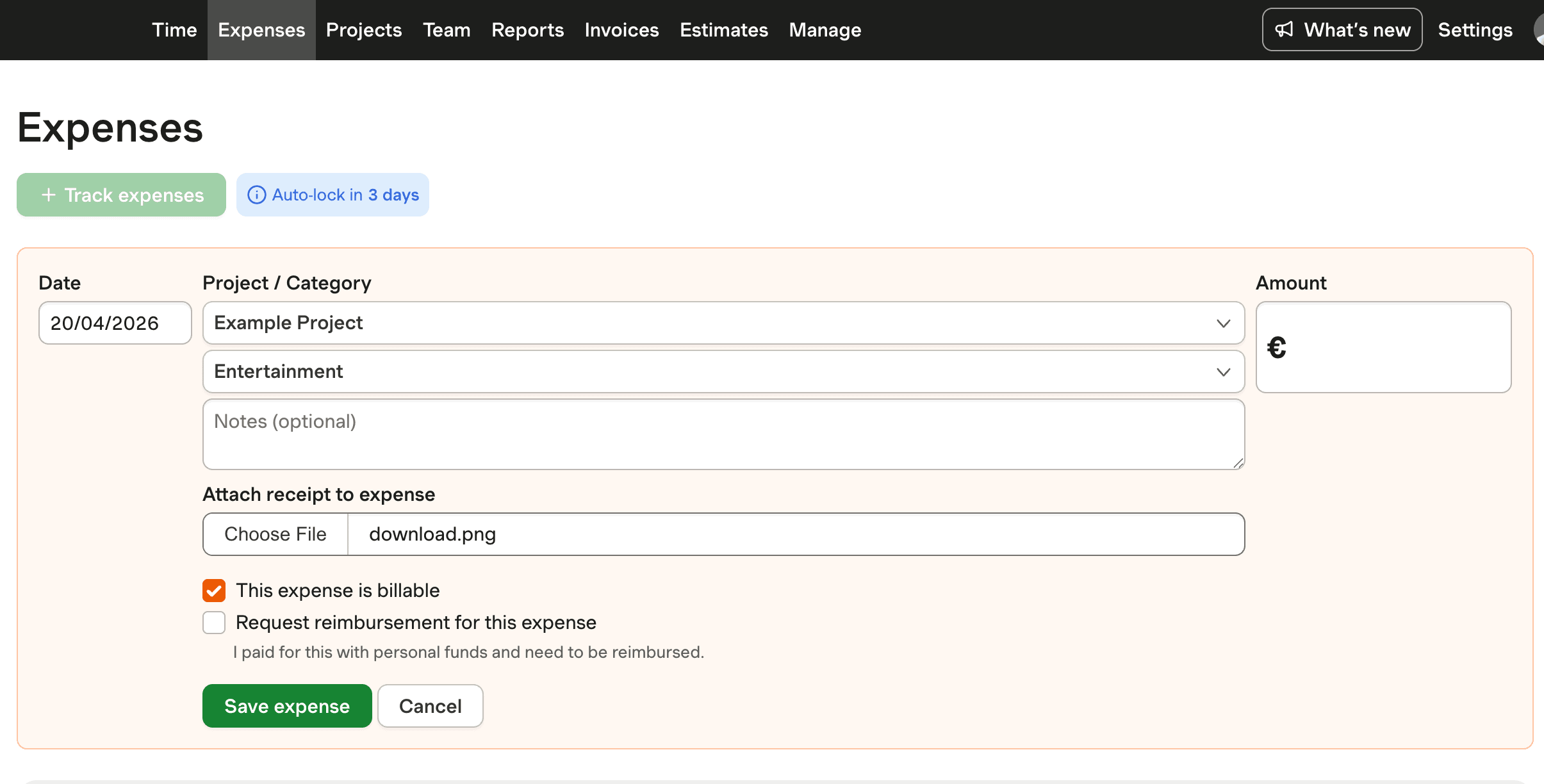
Harvest offers a simple way to track mileage expenses manually, providing project-based tracking without the need for Google Maps integration.

  • Attach receipts to projects & tasks
  • Turn tracked expenses into client invoices
  • Free 30-day trial, no credit card needed

or drag & drop • Images and PDFs, max 10 MB

Why Use Automated Mileage Tracking?

Automated mileage tracking has transformed how businesses manage travel expenses, offering significant benefits over traditional manual methods. With automated solutions, businesses can experience up to 20% cost savings by reducing errors and eliminating unnecessary fleet-related overhead. This transition not only cuts transportation costs but also enhances accuracy in mileage logs.

The adoption of GPS-enabled tracking tools can save an average of 21 hours per year per employee, streamlining the entire process from tracking to approval. This time saving is crucial for both employees and finance teams, allowing them to focus on more strategic tasks rather than administrative burdens. By moving away from paper logs and spreadsheets, organizations can ensure they maintain consistent, defensible records.
Creating IRS-Compliant Mileage Logs

To ensure mileage reimbursements are tax-free, businesses must adhere to IRS 'accountable plan' rules. This involves maintaining detailed logs, which include the date of the trip, destination, business purpose, and total miles driven. Non-compliance can lead to audits, fines, or rejected deductions, emphasizing the importance of accurate and complete record-keeping.

While Google Maps can assist in estimating distances, it lacks the full capabilities needed to generate IRS-compliant reports. Harvest offers a manual entry approach that allows users to record mileage expenses effectively by creating a mileage category with a unit price. Although it does not integrate with Google Maps, Harvest ensures that all necessary information for tax purposes is documented.

Streamlining Reimbursement Processes

Streamlining the reimbursement process is vital for businesses to maintain efficiency and employee satisfaction. Manual submissions and verifications can be time-consuming, but integrating mileage data into broader expense management workflows can enhance this process. With digital solutions, businesses enjoy faster visibility and quicker processing of reimbursements.

Harvest can be an integral part of this streamlined process by allowing manual mileage entry, which can then be incorporated into comprehensive expense reports. Although it does not offer automated mileage tracking, Harvest’s straightforward interface supports efficient manual tracking and reporting, ensuring that reimbursements are accurate and timely.

Adopting Best Practices for Mileage Tracking

Adopting best practices in mileage tracking can significantly enhance compliance and efficiency. Businesses are encouraged to implement GPS-based tools that automate data capture, but they should also establish clear reimbursement policies. These policies should define eligible trips, reimbursement rates, and required documentation, ensuring alignment with IRS guidelines.

Even without GPS integration, Harvest can support these best practices through its manual entry system. By maintaining digital records of all trips, users can ensure they are prepared for audits and can track expenses against specific projects or categories. This approach minimizes errors and supports the creation of audit-ready documentation that is vital for tax compliance.

Track Mileage with Harvest

Discover how Harvest allows you to manually track mileage expenses for projects, ensuring compliance without Google Maps integration.

Harvest manual mileage tracking for projects

Google Maps Track Mileage FAQs

  • Google Maps can assist in estimating travel distances by plotting routes between destinations. However, it doesn’t provide a comprehensive mileage tracking solution for IRS compliance. Businesses often use additional tools to log detailed mileage records.

  • The IRS requires a mileage log to include the date of the trip, the destination, the business purpose, and the total miles driven. Accurate records are essential for audit readiness and ensuring reimbursements are tax-free.

  • Google Maps allows you to view past routes, but it doesn’t offer a direct export feature for tax-compliant mileage logs. Users must manually record details in a separate log or use additional software for comprehensive tracking.

  • While Google Maps can calculate distances, it lacks features for creating IRS-compliant reports, such as automatic logging of business purposes and detailed record-keeping. Additional tools are needed for comprehensive tracking.

  • Yes, several apps integrate with Google Maps to enhance mileage tracking, providing automatic logging and detailed reporting features. These apps help ensure compliance with IRS requirements by capturing necessary trip details.

  • Harvest allows users to manually enter mileage expenses by creating a mileage category with a unit price. This simplifies project-based tracking and ensures necessary details are recorded for tax compliance.

  • Industries like healthcare, construction, and sales see significant benefits from automated mileage tracking due to frequent travel. These solutions improve accuracy and can result in substantial cost savings and productivity gains.