
Harvest
Expenses
Sign up

Family Expense Tracker Excel

Harvest excels in managing project-based expenses for businesses, providing tools like Report Builder for professional expense reports.

EXPENSE REPORT DRAFT

Drop your receipts here or click to upload

Images and PDFs (max 10 MB each)

Date
Category
Merchant
Description
Amount
Total
$0.00

Customise report

Appearance

Show report title

Report settings

Unlock the Potential of Excel for Family Expense Tracking

Excel is an incredibly versatile tool for tracking family expenses, offering customizable templates without the need for costly subscriptions. With 84% of Americans overspending their budget, effective tracking is more critical than ever. Excel allows users to tailor spreadsheets to meet specific financial goals, providing a clear overview of income and expenditures. By utilizing Excel's built-in formulas, families can automate calculations and gain valuable insights into their spending patterns, making budgeting more accessible.

The shift towards more intuitive tools, like Excel, makes budgeting less daunting by offering visual representations of spending and predictive analytics. Implementing popular budgeting strategies, such as the 60/30/10 rule (60% essentials, 30% discretionary, 10% savings), can be easily managed within an Excel sheet, allowing families to adjust as economic realities change. This approach fosters financial well-being by promoting a conscious understanding of spending habits.
Step-by-Step Guide to Creating a Family Expense Tracker in Excel

Creating a family expense tracker in Excel involves a few straightforward steps. Begin with a blank workbook or a pre-made template, then set up headers such as Date, Category, Description, Amount, and Payment Method. Categorize expenses into fixed, variable, ongoing, and irregular items, or use the "needs," "wants," and "savings" methodology.

  1. Start with a blank workbook or template.
  2. Create headers like Date, Category, and Amount.
  3. List income sources and categorize expenses.
  4. Record each expense diligently.
  5. Use Excel formulas for automatic calculations.

Automate totals using Excel formulas like SUM for overall spending and SUMIF for category-specific spending. Enhance your sheet with currency and conditional formatting to highlight significant expenses. Excel's charting tools, such as pie and bar charts, help visualize spending patterns, offering a clear picture of financial health.

Common Mistakes in Expense Tracking and How to Avoid Them

When tracking expenses, families often overlook small purchases, which can quickly add up. Recording every transaction, no matter how small, and reviewing bank statements monthly can mitigate this issue. Consistency is key; sporadic tracking leads to an incomplete financial picture. Establishing a regular routine for updating the tracker, whether daily, weekly, or monthly, ensures comprehensive expense tracking.

Unrealistic budgeting can also be a pitfall. Setting unattainable financial goals often leads to discouragement. Instead, base budget categories on actual spending habits, adjusting as circumstances change. Avoid having too many specific categories, which can make the tracker cumbersome. Broader categories with detailed notes can simplify the process, making it easier to follow and maintain over time.

Engage the Whole Family in Financial Management

Effective family expense tracking involves all family members. Engaging everyone in the budgeting process fosters financial responsibility and encourages open conversations about money management. This collaborative approach can help families overcome the challenge of tracking all expenses, especially small daily purchases that accumulate over time.

By involving children and other family members, you create an environment where everyone understands the family's financial goals and contributes to achieving them. This division of labor ensures comprehensive tracking, with designated roles for collecting and recording receipts, while fostering teamwork and accountability in managing family finances.

Harvest: A Business Solution for Expense Tracking

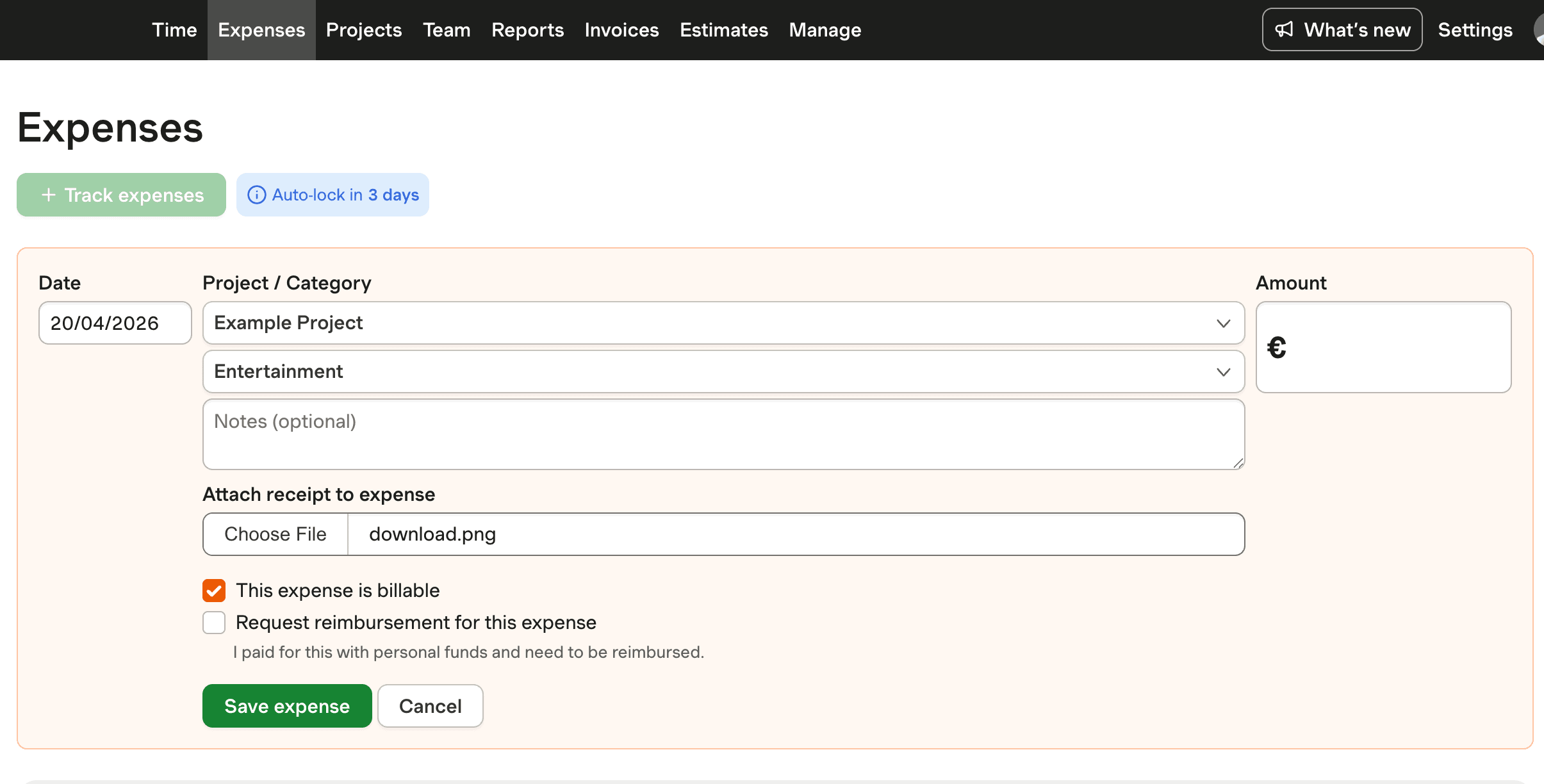
While Harvest is not tailored for family expense tracking, it excels in managing project-based expenses for businesses. With features like receipt uploads and custom expense categories, Harvest provides comprehensive solutions for small businesses needing detailed expense management. Its Report Builder tool allows users to create and download professional expense reports, which can serve as templates for various tracking needs.

Harvest's focus on business expense management makes it an excellent choice for those needing to track multiple categories of expenses effectively. By offering a robust platform for businesses, Harvest ensures users can maintain financial control with ease and precision.

Excel Templates for Family Budgets with Harvest

Harvest offers business solutions for expense tracking. Discover Excel templates for family budgeting with built-in formulas and customization options.

Screenshot of Harvest's Report Builder tool for expense tracking.

Family Expense Tracker Excel FAQs

  • A family expense tracker should include clear headers for Date, Category, Description, Amount, and Payment Method. It should categorize expenses into fixed, variable, and irregular items, and automate calculations with Excel formulas. Visual tools like charts can aid in understanding spending patterns.

  • Customizing an Excel template involves setting up specific categories that reflect your family's unique spending habits. Use Excel's formula capabilities for automatic calculations, and adjust based on your financial goals. Engage family members in the process to ensure comprehensive tracking.

  • Yes, Excel can track multiple categories of expenses effectively. By setting up distinct categories and using formulas like SUMIF, you can efficiently monitor and analyze spending across various aspects of your budget.

  • Yes, many free Excel templates are available online for download, offering customizable options for tracking family expenses. These templates often include built-in formulas and headers to simplify the tracking process.

  • Harvest is designed for tracking project-based expenses in business settings. It offers features like receipt uploads and custom expense categories, making it a robust platform for managing detailed expense reports.

  • The 60/30/10 rule is a budgeting strategy where 60% of income goes to essentials, 30% to discretionary spending, and 10% to savings or debt. This reflects current economic realities and provides a flexible framework for managing family finances.

  • Involve family members by teaching them about financial responsibility and engaging them in the expense tracking process. Assign roles for collecting and recording receipts, and hold regular discussions about financial goals to foster teamwork and accountability.