
Harvest
Expenses
Sign up

Expense Report in Japanese

Harvest simplifies project-based expense tracking, helping businesses maintain accurate records crucial for tax purposes, despite not supporting Japanese-specific compliance needs.

EXPENSE REPORT DRAFT

Drop your receipts here or click to upload

Images and PDFs (max 10 MB each)

Date
Category
Merchant
Description
Amount
Total
$0.00

Customise report

Appearance

Show report title

Report settings

Understanding 'Keihi Seisansho' in Japanese Business Contexts

The term "keihi seisansho" refers to the formal expense report used in Japanese businesses. This document is crucial for accurate reimbursement processing and compliance with local tax laws. In Japan, the process of submitting an expense report often involves detailed itemization and justification of expenses, reflecting the country's meticulous approach to business expenditures. The Japanese corporate culture emphasizes thorough documentation, which can be challenging for companies used to less rigorous standards.

While Harvest does not create "keihi seisansho" specifically, it excels in offering detailed project-based expense tracking. This feature allows businesses to maintain accurate records that can be crucial for tax purposes, even if they need additional steps to align with Japanese requirements. By using Harvest's detailed reporting capabilities, companies can streamline their expense tracking and ensure they are prepared for further documentation needs.
The Impact of Digitalization on Expense Reporting in Japan

Japan's Electronic Bookkeeping Act (ERRL), fully enforced as of January 2024, marks a significant shift towards digitalization in financial documentation, requiring electronic storage of all tax-related documents. This change is part of a broader trend in Japan towards adopting digital solutions for expense management, driven by the need for efficiency and compliance. The market for expense management software in Japan is expected to grow substantially, reflecting this digital shift.

Harvest supports businesses in this transition by providing a user-friendly platform for tracking expenses digitally. While Harvest itself does not cater specifically to Japanese compliance needs, it offers robust record-keeping features that can aid in preparing for electronic submissions and audits. By automating expense tracking, Harvest can help reduce the average processing time and cost from $58 to just $10.3 per report, offering significant cost savings for businesses adapting to these new digital standards.

Challenges and Solutions in Japanese Expense Management

Managing expenses in Japan involves navigating complex tax regulations and cultural nuances. For instance, the broad category of "Kōsaibi" can lead to misclassification of expenses, affecting tax deductions. Additionally, the increased meal expense deduction threshold to JPY 10,000 per person as of April 2024 offers opportunities for cost management but also requires careful documentation to maximize benefits.

Although Harvest does not specifically address Japanese tax regulations, it empowers businesses to maintain detailed and accurate records that can inform local compliance efforts. By systematically tracking expenses by project and category, Harvest ensures that businesses have the data they need to consult tax professionals effectively and avoid costly errors. This capability is especially beneficial for companies managing international expenses, where clear documentation and accurate record-keeping are paramount.

Effective Expense Management Practices in Japan

To ensure smooth expense management in Japan, companies often follow a streamlined process involving digital submissions and approvals. A typical workflow might include employees entering expenses via a web-based system, followed by administrative and managerial approval stages, culminating in reimbursement via bank transfer. This process, while efficient, requires robust systems to support it.

Harvest's project-based expense tracking aligns well with these practices by providing a platform for clear and organized data entry. Although it does not integrate directly with Japanese-specific systems, Harvest facilitates the initial stages of expense management by offering customizable reporting features. This enables businesses to adapt their workflows to meet local requirements, supporting a seamless integration of global best practices with local compliance needs.

Expense Reporting with Harvest

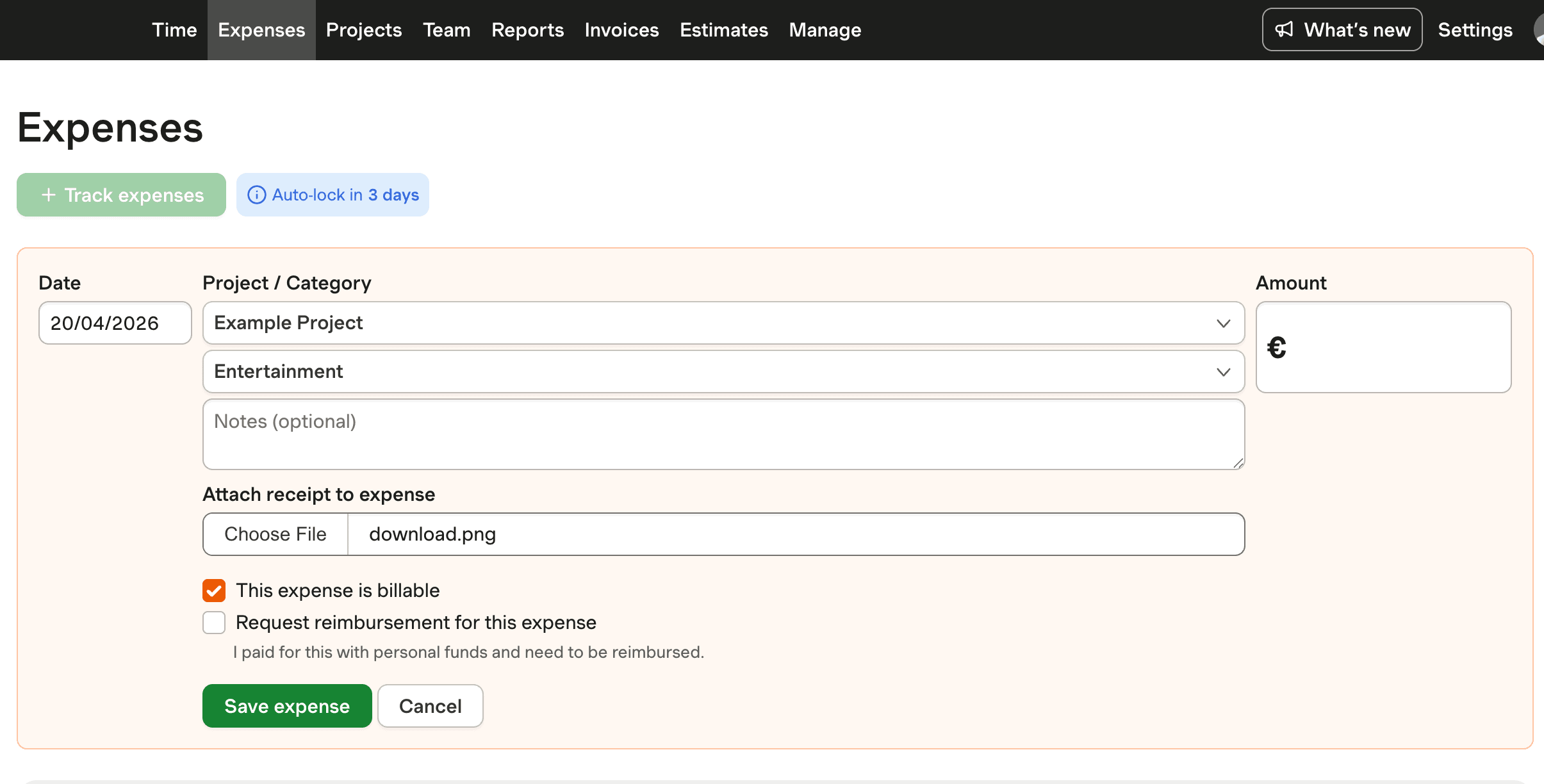
See how Harvest's expense tracking supports accurate record-keeping essential for Japanese tax compliance. Simplify your expense management.

Screenshot of Harvest's expense tracking features for Japanese reporting

Expense Report in Japanese FAQs

  • The Japanese term for 'expense report' is "keihi seisansho." It is a formal document used in business settings to detail expenses for reimbursement and tax purposes.

  • In Japanese businesses, a "keihi seisansho" is used to document and justify expenses for reimbursement. It requires detailed itemization and compliance with tax laws, reflecting Japan's meticulous approach to business documentation.

  • Submitting an expense report in Japan typically involves detailed itemization, justification of expenses, and adherence to tax regulations. Electronic documentation is increasingly required under the Electronic Bookkeeping Act.

  • Digitalization, driven by the Electronic Bookkeeping Act, is transforming expense reporting in Japan by requiring electronic storage of documents, thereby enhancing efficiency and compliance.

  • Harvest aids in expense tracking by providing detailed project-based reports, which help businesses maintain accurate records necessary for tax purposes, though it does not cater specifically to Japanese compliance.

  • Businesses in Japan face challenges such as navigating complex tax regulations and cultural nuances, like the classification of entertainment expenses, which require precise documentation and compliance.

  • Yes, digital expense management solutions like Harvest can reduce processing costs significantly, from $58 to $10.3 per report, offering substantial savings when compared to manual methods.