
Harvest
Expenses
Sign up

Grocery Expense Tracker

Grocery expenses can strain any budget, with the average U.S. household spending $831 monthly. Harvest helps you track and manage these costs effectively.

EXPENSE REPORT DRAFT

Drop your receipts here or click to upload

Images and PDFs (max 10 MB each)

Date
Category
Merchant
Description
Amount
Total
$0.00

Customise report

Appearance

Show report title

Report settings

Understanding Your Grocery Expenses

Understanding grocery expenses is crucial, given the significant impact they have on household budgets. On average, U.S. households spend approximately $831 per month on food, with costs varying based on household size. For instance, a single-person household might spend around $792 monthly, whereas a family of four could spend at least $933. Further complicating matters, grocery prices have surged by 20% since 2020, with staple items like eggs and dairy products seeing increases of up to 54% and 36%, respectively.

Tracking these costs is essential for maintaining financial health and making informed spending decisions. Nearly 95% of grocery shoppers engage in some form of budgeting, yet 34% still rely on pen and paper, while 32% use digital apps. This highlights a growing trend towards digital tracking, particularly among younger generations, with 41% of Millennials and 54% of Gen Zers now using apps to manage their grocery budgets.
Challenges in Grocery Expense Tracking

Tracking grocery expenses comes with its own set of challenges. Impulse purchases, often spurred by shopping on an empty stomach, can wreak havoc on a budget. A well-documented strategy involves preparing a strict shopping list and eating a snack before hitting the aisles. Additionally, food waste is another common issue, with many shoppers buying duplicate items due to poor inventory management. One effective solution is to conduct a pre-shopping inventory check, which can significantly reduce the chances of unnecessary purchases.

Another frequent pitfall is the underestimation of actual spending, which can lead to unrealistic budgeting and frustration. Experts recommend tracking every grocery expenditure for at least a month to establish a realistic budget baseline. This approach has proven successful for many, with some individuals discovering unexpected overspending and subsequently saving hundreds by making small, strategic adjustments.

How Harvest Can Help Track Grocery Expenses

Harvest offers a powerful solution for managing grocery expenses through its project-based expense tracking capabilities. By allowing users to create custom categories, such as groceries, Harvest provides a clear breakdown of spending patterns. This feature helps users identify where their money is going and make informed decisions about future grocery purchases.

While Harvest does not support OCR or receipt scanning for detailed item tracking, it allows for manual entry of expenses alongside receipt uploads. This ensures that all financial records are accurate and organized, aiding in comprehensive budgeting and financial planning. By leveraging Harvest's capabilities, users can gain a deeper understanding of their grocery spending habits and adjust their budgets accordingly.

Effective Strategies for Grocery Budgeting

Implementing effective grocery budgeting strategies can significantly impact financial well-being. Start by tracking current spending for one to two months, using receipts and bank statements to gather data. This step provides a baseline for creating a realistic budget. Experts suggest allocating 10-15% of monthly income to groceries, following the 50/30/20 rule, which divides income into needs, wants, and savings.

Meal planning is another key strategy. Evaluate your schedule and plan meals, checking your pantry and fridge to avoid duplicate purchases. Create a detailed shopping list based on this plan and stick to it to prevent impulse buys. Regularly reviewing your spending against your budget helps identify areas for improvement and ensures you stay on track financially.

Grocery Expense Tracking with Harvest

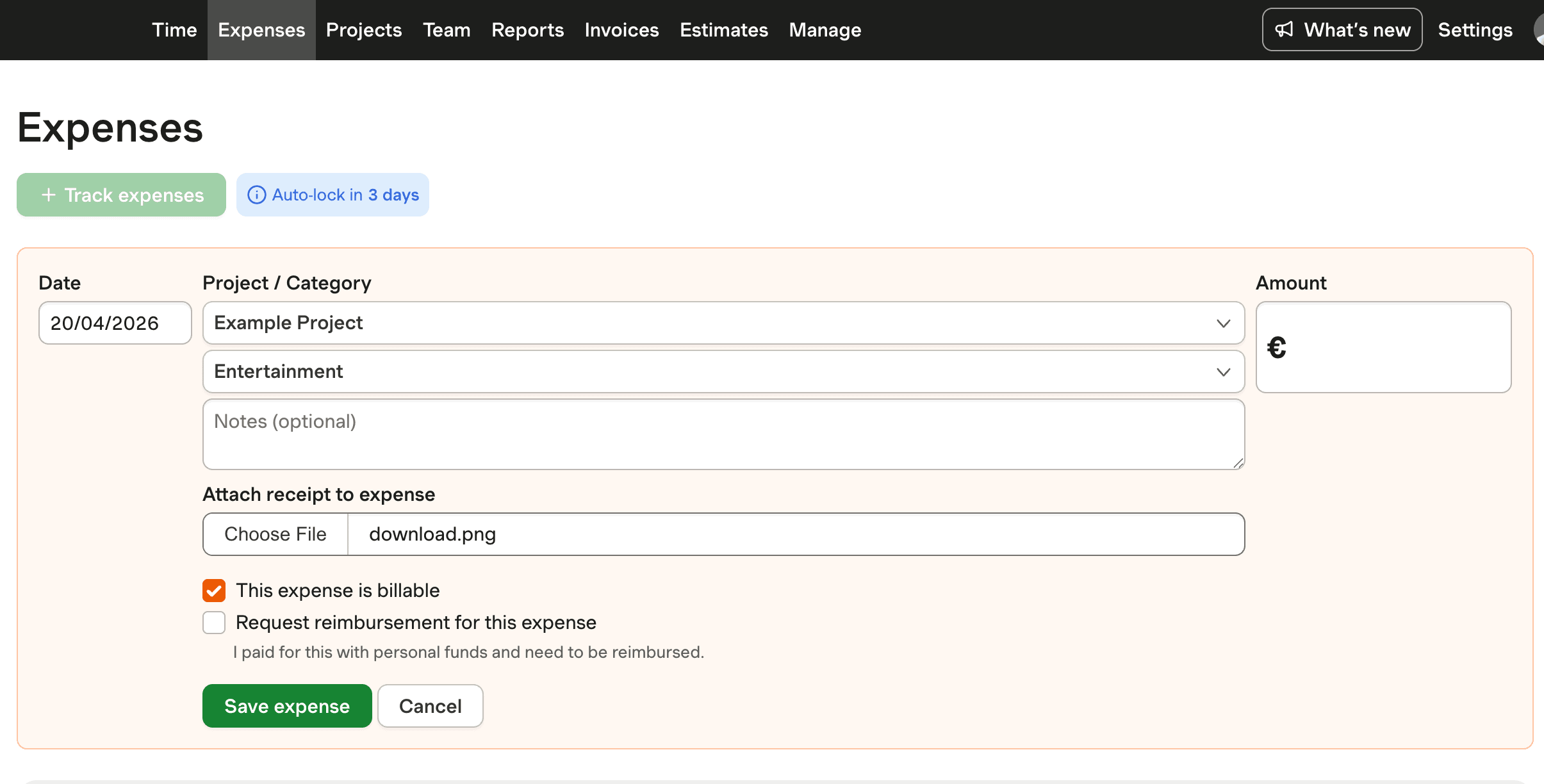
See how Harvest tracks grocery expenses with custom categories, providing clear spending insights for better budgeting.

Harvest dashboard showing grocery expense tracking

Grocery Expense Tracker FAQs

  • Begin by collecting and recording all your grocery receipts for at least a month to establish a baseline of your spending. This will help you identify patterns and areas where you can save. Consider using a tool like Harvest, which allows for expense tracking by category, offering clearer insights into your grocery spending habits.

  • Look for features such as category-based spending breakdowns, integration with bank statements, manual entry options, and the ability to upload receipts. While some apps offer automated OCR features, Harvest provides custom categories for detailed expense tracking, helping you keep a clear record of your grocery spending.

  • Tracking grocery expenses increases financial awareness, allowing you to identify and reduce unnecessary spending. For example, consistent tracking can help you recognize and curb impulse purchases, ultimately leading to savings. Users often find they can save hundreds by adjusting their spending habits based on tracked data.

  • Yes, Harvest can assist by offering category-based expense tracking, which allows you to create specific categories for groceries. This helps in organizing and understanding your spending patterns, although details must be entered manually.

  • Common mistakes include shopping without a list, buying in bulk unnecessarily, and not accounting for impulse buys. To avoid these, always shop with a list, compare unit prices, and ensure any bulk purchases are necessary and will be used before they spoil.

  • Involving family members in grocery budgeting can be done through regular budget meetings and shared responsibilities in meal planning. While Harvest is team-oriented for business use, its principles can inspire similar strategies within a household context.

  • Many financial experts recommend the 50/30/20 budgeting rule, which allocates 50% of your income to needs, including groceries. This rule helps balance spending across different areas and promotes financial health.

  • It's advisable to review your grocery spending monthly. This regular assessment allows you to make adjustments based on your financial goals and changing circumstances, ensuring you remain within your budget.